finance.yahoo.com
Cure8 news brief
Cure8 news brief
New trial and real-world data about Skyrizi and Rinvoq could affect treatment options and conversations about long-term outcomes for people with Crohn’s disease or ulcerative colitis. Investors’ coverage can increase visibility of these therapies but does not replace clinical guidance.
Adults with IBD, patients on biologics or considering switches, gastroenterology clinicians, and researchers tracking IBD drug outcomes.
This finance article highlights AbbVie’s presentations at Digestive Disease Week showing clinical-trial and real-world data for two IBD drugs: Skyrizi (risankizumab) and Rinvoq (upadacitinib).
It reports that risankizumab had one-year benefits in Crohn’s disease in the ASPIRE-CD study and lower treatment-switch rates in a 24-month claims analysis; Rinvoq data cited lower hospitalization/ER odds in patients who switched to it and endoscopic improvements through 52 weeks for perianal fistulizing Crohn’s disease.
The piece is written from an investment perspective, so clinical details are summarized briefly and selectively rather than reported as a full scientific result. The article does not provide detailed study methods, exact outcomes, safety data, or limitations needed to judge clinical significance.
If you want the clinical papers or full DDW abstracts, check the conference program or peer-reviewed publications for complete data.
This is a finance-focused summary of data presented at DDW; it does not substitute for the original abstracts or peer-reviewed reports. The article omits detailed methodology, safety profiles, and numerical results—consult the DDW abstracts or published studies for clinical decision-making.
Review the original publication for the complete reporting, methods, and context.
This Cure8 brief is based on source text from the linked article. Cure8 is informational only and is not a substitute for professional medical advice, diagnosis, or treatment.
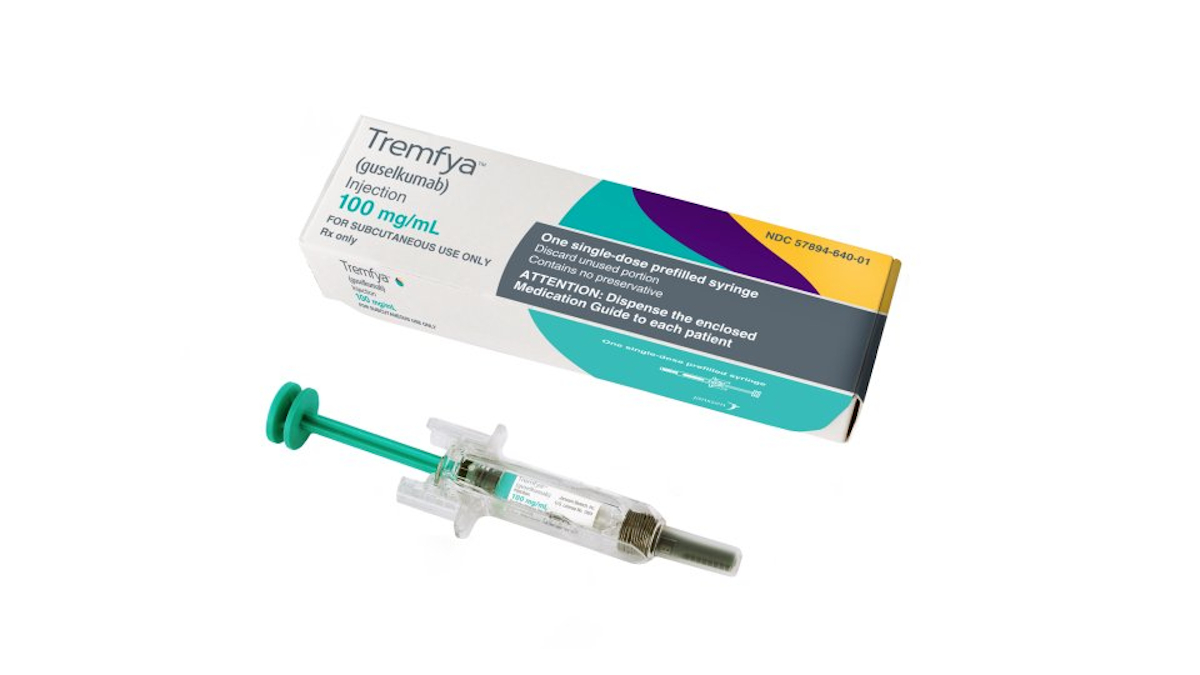
A new FDA approval means another IL-23 option is formally available for people with moderately to severely active Crohn’s disease, including patients whose disease did not respond to other therapies. This could affect...
This video quickly outlines the range of medical treatments now available for Crohn’s disease, including newer approvals. Knowing drug classes and recent options can help patients and clinicians discuss treatment plans...
A newly FDA‑approved IL‑23 drug for Crohn’s may increase treatment options for people with IBD, including an IV and a subcutaneous formulation. The approval could affect switching decisions for patients not responding to...