
thepharmaletter.com
Cure8 news brief
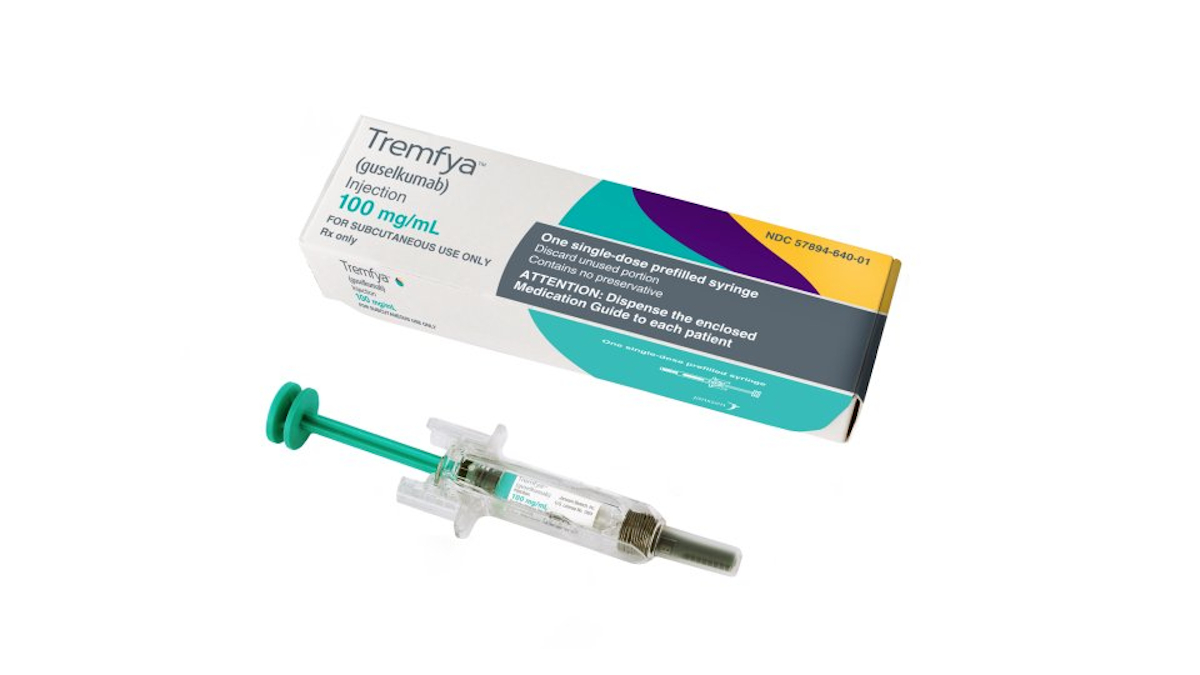
FDA nod for Tremfya as J&J builds on Stelara transition
Medications
Guselkumab
Ustekinumab
IL-23 inhibitor
IL-12/23 inhibitor
Regulatory Update
Adult patients
Patients On Biologics
Cure8 news brief
An FDA approval means a new biologic option (guselkumab/Tremfya) is available for adults with moderately to severely active Crohn’s disease and may change prescribing choices. The approval highlights a dosing flexibility (IV and subcutaneous induction) that could matter for how treatment is given.
It also reflects commercial shifts that can affect availability and insurance coverage.
Adults with Crohn’s disease, patients considering or on biologic therapy, gastroenterologists and IBD clinicians, and researchers tracking IBD drug development or market access.
This is a regulatory approval story — Tremfya (an IL-23 inhibitor) now has FDA clearance for adults with moderately to severely active Crohn’s disease, including both IV and self-administered subcutaneous induction dosing options according to the report.
The piece frames the approval in commercial terms for Johnson & Johnson as it seeks to offset declining Stelara sales. The article appears in a pharma-industry news outlet and focuses on approval and business strategy rather than patient-level clinical guidance.
If you want details about who qualifies for treatment, how dosing works, efficacy, or safety compared with other options, consult the prescribing information or discuss with a treating clinician.
This is a regulatory-news item from a pharmaceutical industry publication; it summarizes the FDA decision and commercial implications. It does not provide clinical trial data, detailed safety or efficacy results, or prescribing guidance. Patients should refer to official FDA materials and product labeling or speak with their clinician for individual treatment decisions.
Review the original publication for the complete reporting, methods, and context.
This Cure8 brief is based on source text from the linked article. Cure8 is informational only and is not a substitute for professional medical advice, diagnosis, or treatment.
A newly FDA-approved biologic (guselkumab/Tremfya) offers another treatment option for adults with moderate to severe Crohn’s disease, including both IV and SC induction choices. This could matter for patients who have...
A newly FDA‑approved IL‑23 drug for Crohn’s may increase treatment options for people with IBD, including an IV and a subcutaneous formulation. The approval could affect switching decisions for patients not responding to...
A new FDA approval means another IL-23 option is formally available for people with moderately to severely active Crohn’s disease, including patients whose disease did not respond to other therapies. This could affect...