
medscape.com
Cure8 news brief
FDA OKs Guselkumab for Crohn's Disease - Medscape
Medications
Guselkumab
IL-23 inhibitor
FDA Approval
Adult patients
Patients On Biologics
Clinicians
Researchers
Cure8 news brief
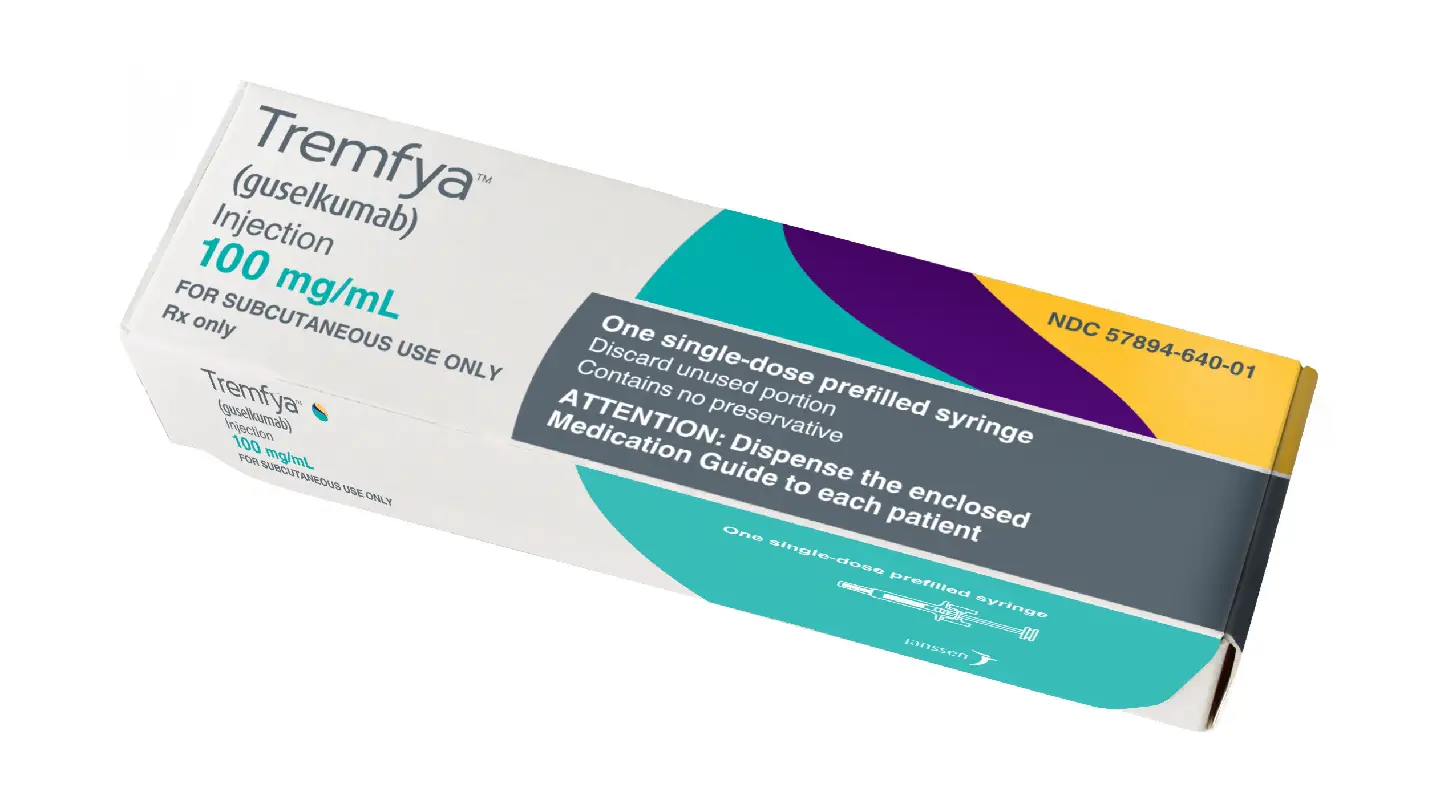
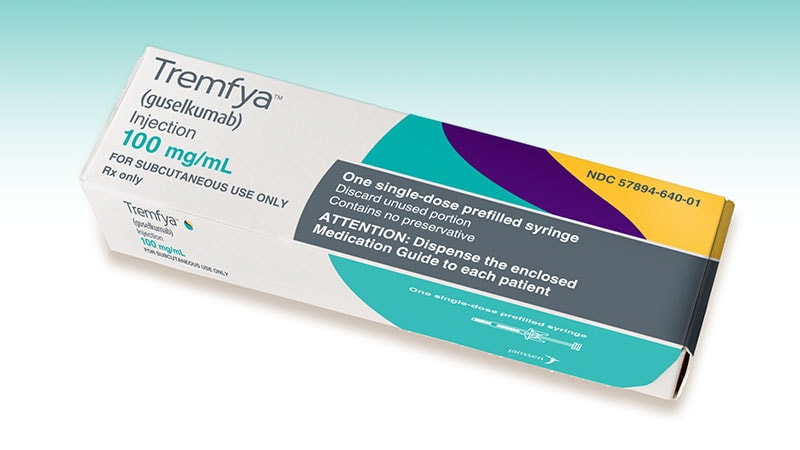
An FDA approval means guselkumab (Tremfya) is now an approved treatment option for adults with moderate-to-severe Crohn’s disease, including a unique option for fully subcutaneous induction. This may expand choices for patients who have not responded to other therapies.
Adults with moderate-to-severe Crohn’s disease, patients who failed prior biologics or immunomodulators, clinicians treating IBD, and researchers interested in IL-23 therapies.
Guselkumab is now an FDA-approved IL-23 inhibitor option for adults with moderate to severe Crohn’s disease. The approval expands treatment choices and is notable because it offers both IV and fully subcutaneous induction approaches.
If you are already on biologic therapy or have failed other therapies, this approval may be relevant; talk with your clinician about whether this option fits your situation.
Approval is based on phase 3 trials reported by the company and summarized in the article; consult the full prescribing information and discuss risks and benefits with a clinician. The article is a news summary and draws on company statements and trial names rather than providing full primary data.
Review the original publication for the complete reporting, methods, and context.
This Cure8 brief is based on source text from the linked article. Cure8 is informational only and is not a substitute for professional medical advice, diagnosis, or treatment.
An FDA approval means guselkumab (Tremfya) is now an authorized treatment option for adults with active Crohn’s disease. The drug offers both subcutaneous and IV induction choices and may be relevant for people who did...
A new FDA approval expands treatment options for adults with moderately to severely active Crohn’s disease, including a fully subcutaneous IL-23 inhibitor regimen that could offer more flexibility. The approval was based...
Based on the title and source metadata, this appears to be a fda approval related to Crohn's disease, Inflammatory bowel disease, and Guselkumab. The original article is from msn.com.