
biospace.com
Cure8 news brief
Cure8 news brief
This approval adds an FDA-cleared IL-23 biologic (Tremfya) as a treatment option for adults with moderately to severely active Crohn’s disease, which may affect treatment choices. It also comes as multiple biosimilars to Stelara enter the U.S. market, potentially influencing access and payer coverage.
Adult patients with Crohn’s disease or inflammatory bowel disease, patients currently on or considering biologics, gastroenterologists and prescribing clinicians, and researchers watching IL-23 therapies and biosimilar market shifts.
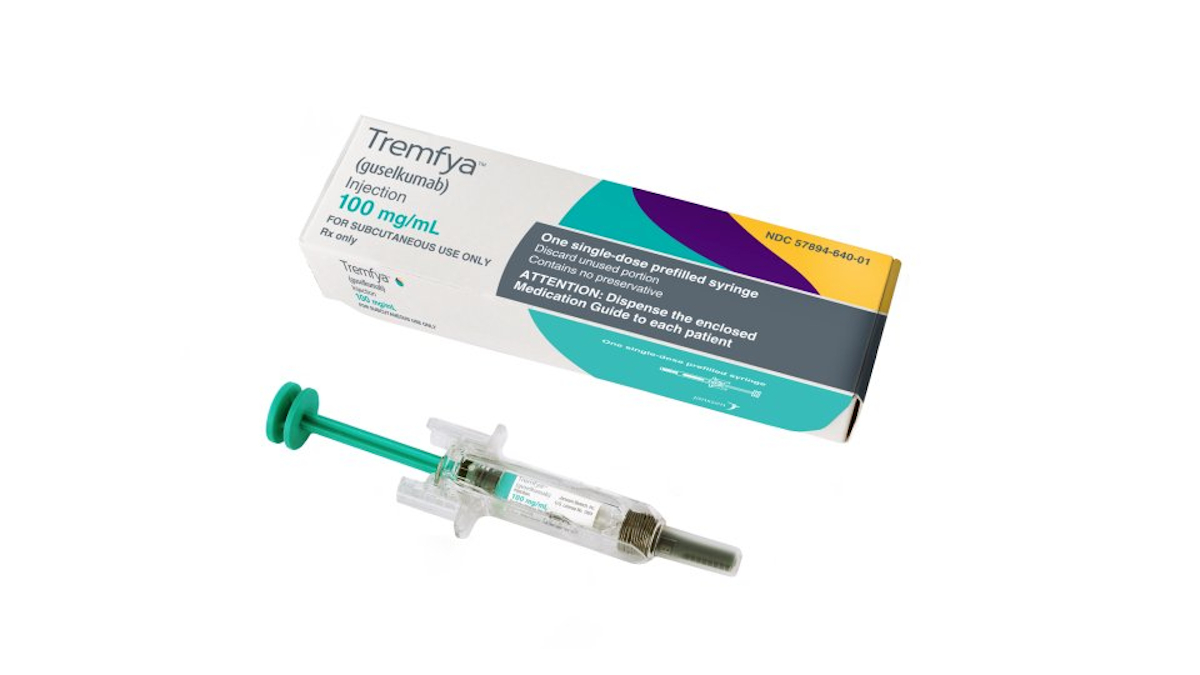
The FDA approval means Tremfya is now an approved treatment option for adults with moderately to severely active Crohn’s disease. The reporting highlights that Tremfya is an IL-23 inhibitor available both intravenously and subcutaneously for this indication, and that its approval was supported by Phase III program results including endoscopic endpoints.
The piece also focuses on market dynamics: several biosimilars to Stelara (ustekinumab) recently launched in the U.S., which could affect prescribing and payer decisions.
If you’re reading this as a patient, the key practical points are that a new FDA-approved biologic option exists for Crohn’s disease and that insurance coverage, cost, and availability may be influenced by competing biosimilars and payer policies.
Discuss with your gastroenterology team whether Tremfya is appropriate for your situation, and ask about dosing options, self-administration, and coverage. The article is a news report summarizing a company release and broader market context rather than presenting full trial data or clinical guidance.
The article is a news summary based largely on a J&J press release and mentions Phase III trials without detailing full data. It also emphasizes commercial implications (biosimilars and payer actions). This is not clinical guidance; treatment decisions should follow discussion with clinicians.
The company and market context may shape access and cost rather than directly indicating comparative effectiveness.
Review the original publication for the complete reporting, methods, and context.
This Cure8 brief is based on source text from the linked article. Cure8 is informational only and is not a substitute for professional medical advice, diagnosis, or treatment.
A new FDA approval means another IL-23 option is formally available for people with moderately to severely active Crohn’s disease, including patients whose disease did not respond to other therapies. This could affect...
A newly FDA‑approved IL‑23 drug for Crohn’s may increase treatment options for people with IBD, including an IV and a subcutaneous formulation. The approval could affect switching decisions for patients not responding to...
A newly FDA-approved biologic (guselkumab/Tremfya) offers another treatment option for adults with moderate to severe Crohn’s disease, including both IV and SC induction choices. This could matter for patients who have...