
biospace.com
Cure8 news brief
Cure8 news brief
An FDA approval means another biologic option is available for Crohn’s disease, which could affect treatment choices and insurance coverage. The approval also signals pharma competition and pipeline activity that may influence future options and drug pricing/access.
The article does not present new clinical guidance; it summarizes trial support and commercial prospects.
Adult patients with Crohn’s disease, clinicians who treat IBD, patients on biologics, caregivers following treatment options, and researchers tracking IBD drug development and industry moves.
Omvoh (mirikizumab) has received FDA approval for treating Crohn’s disease based on VIVID-1 Phase III results cited in the article.
The trial data reported higher clinical remission and endoscopic response versus placebo at 1 year; however, the article notes Omvoh did not demonstrate superiority over Stelara in some endpoints and that its commercial uptake may face challenges.
The approval is mainly notable as part of Lilly’s strategy to grow its inflammation portfolio beyond its obesity-focused products. The piece also highlights related pipeline moves—Lilly’s acquisition of Morphic and the MORF-057 α4β7 program—which target IBD pathways through a small-molecule approach.
If you’re tracking treatment options or industry developments, this is a regulatory update rather than new prescribing guidance. For treatment decisions or individual medical questions, consult your gastroenterology clinician.
This is a regulatory/news summary citing Phase III trial results; the article notes limits such as lack of superiority vs. an established agent (Stelara) and frames the approval largely as a strategic win for Lilly’s portfolio.
It does not provide detailed trial methods, safety data, or prescribing information—refer to FDA label and peer-reviewed publications for clinical details.
Review the original publication for the complete reporting, methods, and context.
This Cure8 brief is based on source text from the linked article. Cure8 is informational only and is not a substitute for professional medical advice, diagnosis, or treatment.
A new FDA approval means another biologic option for people with moderately to severely active Crohn’s disease, including patients who have failed or not tolerated prior therapies.
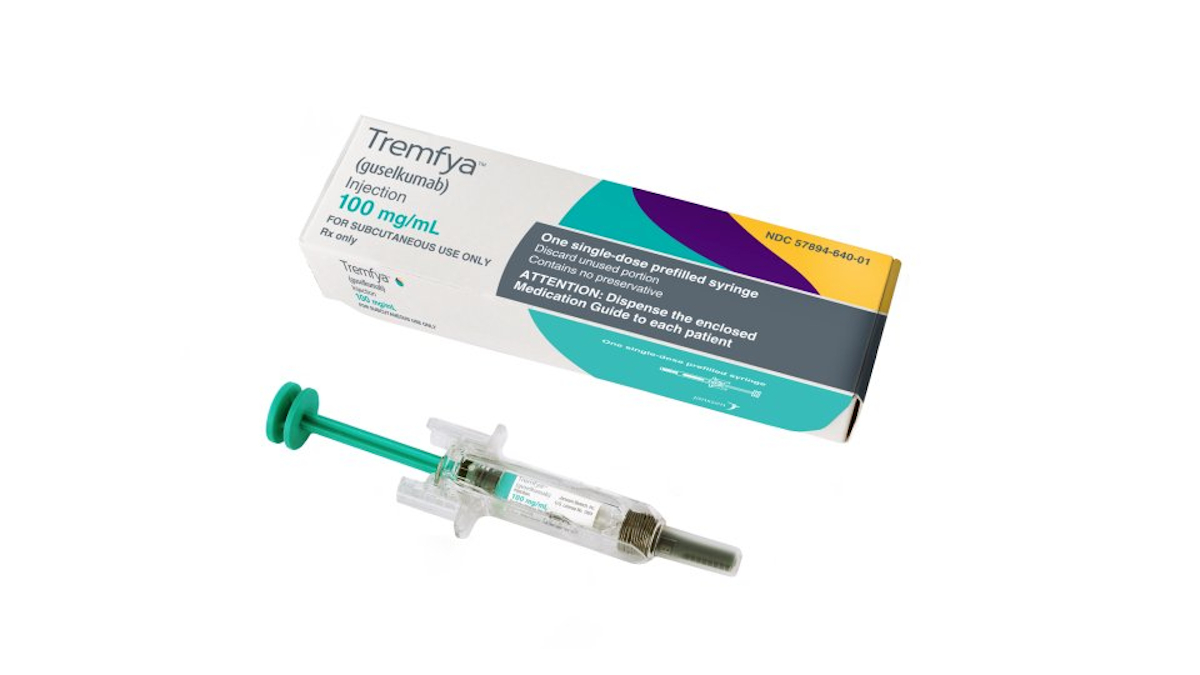
A new FDA approval means another IL-23 option is formally available for people with moderately to severely active Crohn’s disease, including patients whose disease did not respond to other therapies. This could affect...
A newly FDA‑approved IL‑23 drug for Crohn’s may increase treatment options for people with IBD, including an IV and a subcutaneous formulation. The approval could affect switching decisions for patients not responding to...