
medicaldialogues.in
Cure8 news brief
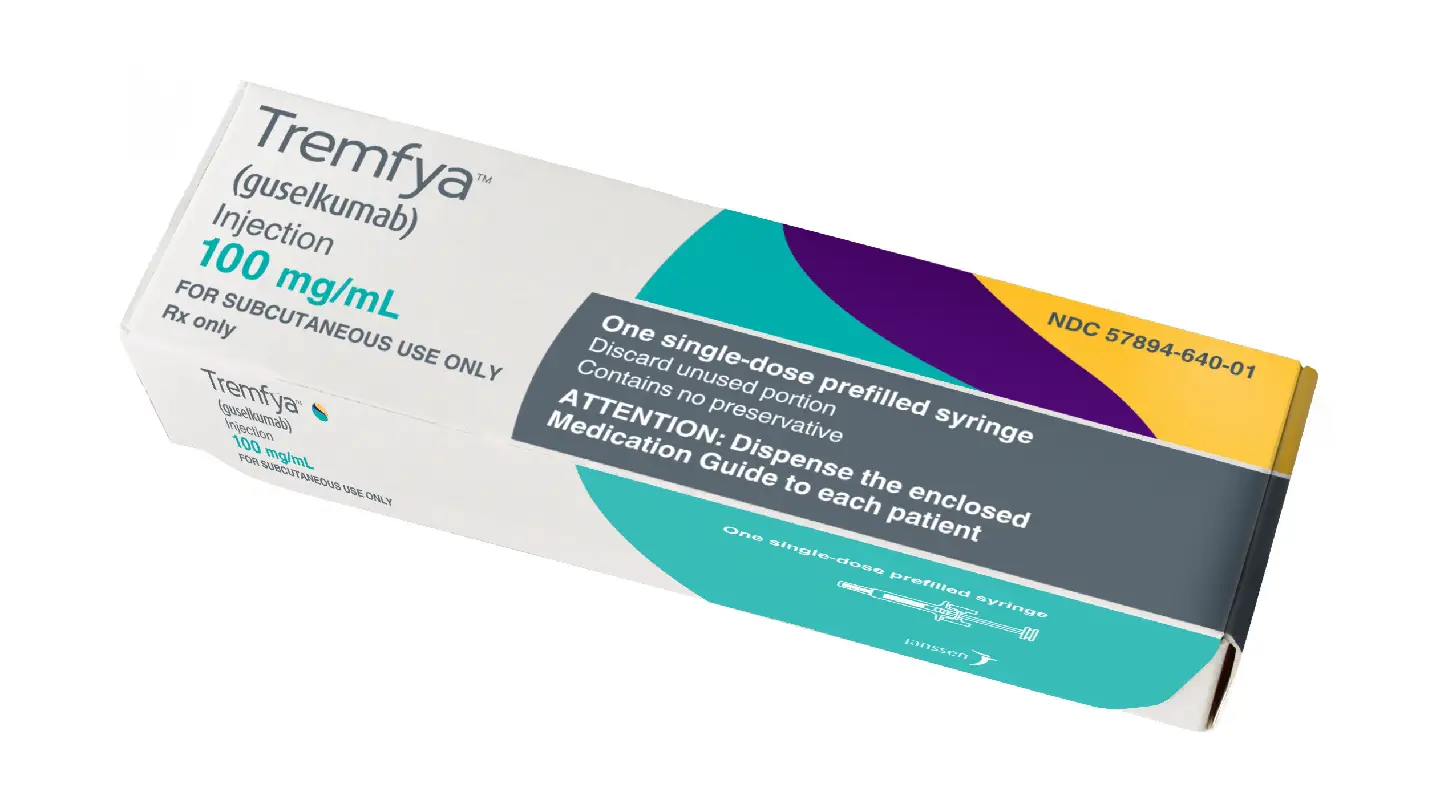
USFDA nod to JnJ Tremfya for Crohn's disease
Medications
Guselkumab
IL-23 inhibitor
Regulatory Update
Adult patients
Patients On Biologics
Clinicians
Researchers
Cure8 news brief
An FDA approval means a new, approved IL‑23 inhibitor option (guselkumab/TREMFYA) is available for adults with moderately to severely active Crohn’s disease, potentially expanding treatment choices and offering a fully subcutaneous induction path for self-administration.
The approval is based on multiple Phase 3 trials showing clinical and endoscopic benefits, which may matter if prior therapies have failed or weren’t tolerated.
Adults with moderately to severely active Crohn’s disease, patients who have failed or are intolerant to prior biologics or conventional therapies, clinicians treating IBD, and researchers following IL‑23–targeted therapies.
TREMFYA is now approved for Crohn’s disease in the U.S. and offers both a fully subcutaneous induction option (400 mg at Weeks 0, 4, 8) and an IV induction option (200 mg at Weeks 0, 4, 8), with maintenance SC dosing schedules described in the article.
The approval is supported by multiple Phase 3 trials of patients with moderately to severely active disease who had failed or were intolerant to other therapies; the company highlights endoscopic and clinical endpoints and pooled superiority versus ustekinumab (STELARA) in certain analyses.
If you are reading the original press-style article, expect manufacturer-provided trial highlights and dosing details; the piece does not replace discussion with your provider about whether this treatment is appropriate or available for you.
For clinicians: the article lists recommended dosing regimens and notes the FDA approved both SC and IV induction options.
This is a company report summarizing FDA approval and Phase 3 trial results; details presented are from Johnson & Johnson’s statements and pooled analyses. Individual study data, safety profile specifics, and comparative efficacy nuances should be reviewed in the original trial publications or regulatory documents.
Approval does not imply it is the right treatment for any individual—discuss risks, benefits, and insurance/access with your healthcare team.
Review the original publication for the complete reporting, methods, and context.
This Cure8 brief is based on source text from the linked article. Cure8 is informational only and is not a substitute for professional medical advice, diagnosis, or treatment.
If approved, TREMFYA (guselkumab) could become an additional IL‑23 inhibitor option for adults with moderate‑to‑severe Crohn’s disease, including both IV and SC induction dosing. That may affect treatment choices for...
An FDA approval means guselkumab (Tremfya) is now an authorized treatment option for adults with active Crohn’s disease. The drug offers both subcutaneous and IV induction choices and may be relevant for people who did...
If approved, Tremfya SC induction could provide a fully subcutaneous induction and maintenance option for people with moderately to severely active ulcerative colitis, which may be more convenient than IV induction.