Cure8 research brief
Why This Matters
Reference MRI measurements of colon length in adolescents help radiologists and clinicians detect abnormal colonic anatomy when evaluating children with difficult-to-treat constipation or suspected structural problems.
Who Should Pay Attention
Pediatric gastroenterologists, radiologists, clinicians caring for adolescents with suspected IBD or therapy-resistant constipation, researchers studying pediatric bowel anatomy, and parents of adolescents undergoing MRI-enterography.
Study Snapshot
What To Know
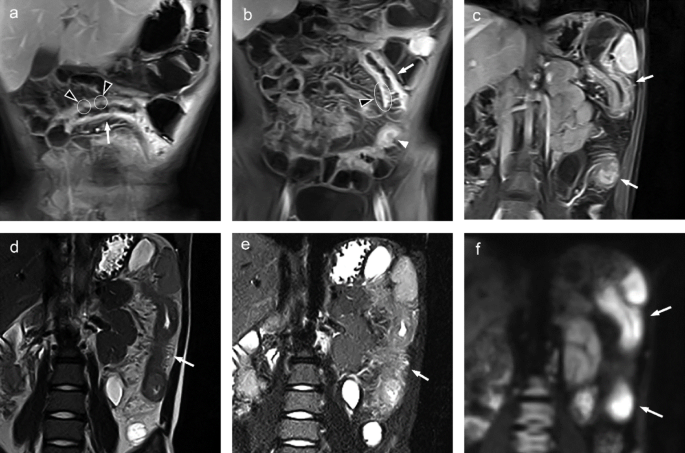
This was a retrospective analysis of 81 adolescents (median age 15) who underwent MRI-enterography between 2016–2020. Researchers measured colon segments on coronal T2-weighted MRI using 3D multiple-point measurements and reported mean total colon length, lengths indexed to body surface area (BSA), and rectosigmoid lengths with variability.
Colon length correlated with age, height, weight, and BSA; BSA showed a strong association in multivariable analysis. The study provides reference values (total colon length ~116 cm mean; total colon length/BSA ~72.9 cm/m mean) that may be useful as normative comparators on pediatric MRI when assessing for abnormal anatomy.
Keep In Mind
This summary is based on the article abstract (retrospective study of 81 patients). The study excluded children with colonic inflammation and those meeting Rome-IV criteria for constipation; values reflect adolescents aged 11–17 and may not apply to other age groups or inflamed colons.
Source Details
Review the original publication for the complete reporting, methods, and context.
This Cure8 brief is based on source text from the linked article. Cure8 is informational only and is not a substitute for professional medical advice, diagnosis, or treatment.