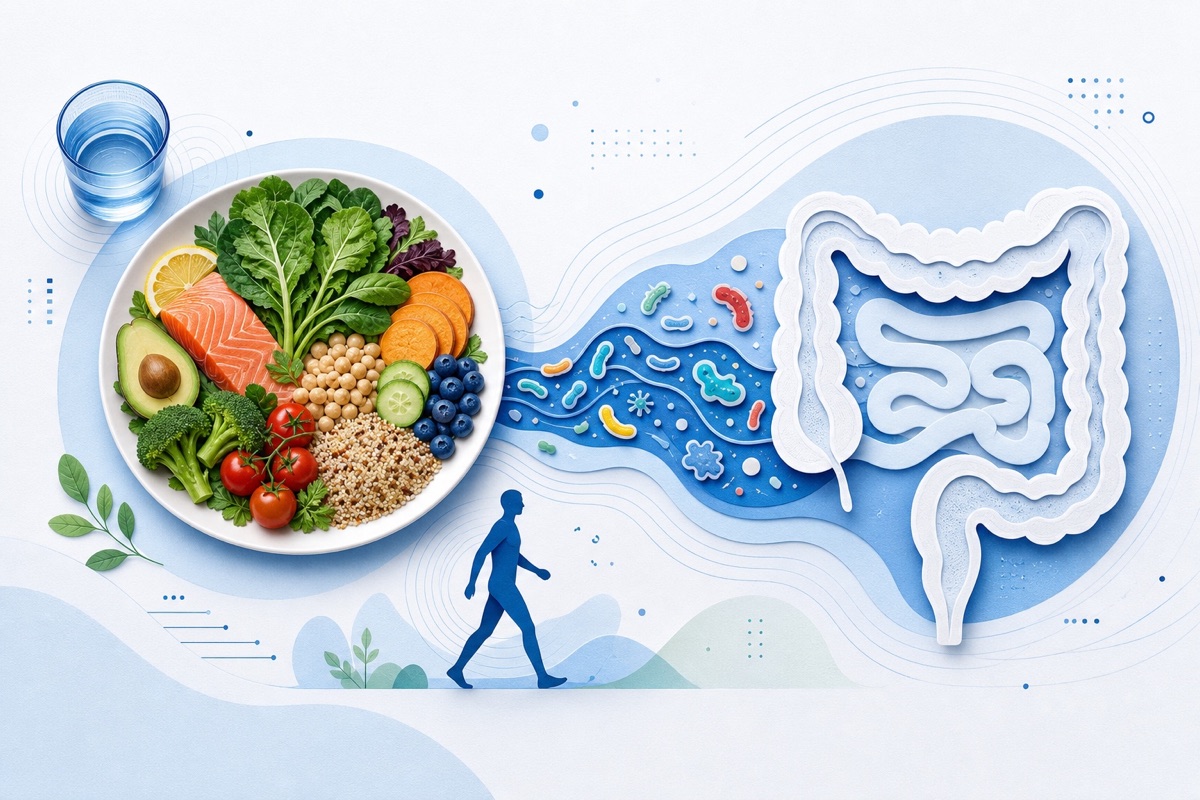
The study links a common compound in plant foods (oxalate) to intestinal inflammation in IBD, suggesting diet and oxalate metabolism may be modifiable contributors to flares.
Who Should Pay Attention
People with Crohn's disease or ulcerative colitis, clinicians managing IBD, researchers studying diet–microbiome–immune interactions, and patients exploring dietary strategies for symptom control.
Study Snapshot
Story typeMainstream News
Evidence typeClinical study
Source depthFull source text
What To Know
Researchers measured dietary oxalate and stool oxalate, analyzed gene activity for gut oxalate transporters (SLC26A2, SLC26A3, and SLC26A6) in human tissue samples, and ran mouse experiments.
They found higher stool oxalate in Crohn's patients despite similar diets to controls, reduced expression of oxalate transporter genes in IBD samples, and worse inflammation and survival in mice given extra oxalate. Lab tests also showed oxalate increased immune-cell inflammatory responses.
The authors do not recommend cutting out plant-based foods wholesale; instead, they highlight moderating oxalate intake and exploring ways to improve oxalate handling (for example, targeting transporter proteins or promoting oxalate-degrading bacteria) as possible future strategies.
Larger human studies are needed to confirm who is sensitive and whether interventions help. Keep reading your clinical care team for personalized advice about diet and treatment — this research is an early step toward tailoring dietary management for some people with IBD.
Keep In Mind
This report summarizes a peer-reviewed study (Cellular and Molecular Gastroenterology and Hepatology) combining human tissue analysis, dietary/stool measurements, and mouse experiments. Findings are preliminary for clinical practice; larger human trials are needed before changing treatment. The article is a science news summary, not clinical guidance.
Source Details
Review the original publication for the complete reporting, methods, and context.
This Cure8 brief is based on source text from the linked article. Cure8 is informational only and is not a substitute for professional medical advice, diagnosis, or treatment.
The study suggests a common plant compound (oxalate) may build up in the intestines of people with IBD because transporter proteins are reduced, potentially worsening inflammation. If confirmed, this could influence...
The study suggests a mechanism (reduced intestinal oxalate transport) that could make common “healthy” plant foods aggravate intestinal inflammation in some people with Crohn’s or ulcerative colitis, which could affect...
If dietary oxalate influences gut inflammation, it could be a modifiable dietary factor for some people with IBD and might help explain variability in symptoms. The study points to transporters as potential markers of...