This registry will provide real-world data on how etrasimod is used and performs in routine clinical practice in China, including patient characteristics, symptom trajectories, safety, and healthcare costs. Real-world studies can show whether trial results generalize to broader, more diverse patient populations.
Who Should Pay Attention
Adults with ulcerative colitis considering or taking etrasimod; gastroenterologists and IBD clinicians in China and elsewhere; researchers and health economists interested in real-world effectiveness, safety, and cost data for new UC therapies.
Study Snapshot
Story typeClinical Reference
Evidence typeClinical trial
Enrollment500 participants
Study statusNot_yet_recruiting
Source depthTrial registry record
What To Know
This is a prospective, multicenter, observational registry in China enrolling ~500 adults with active ulcerative colitis who are being treated with etrasimod in routine care and will be followed for 52 weeks.
The study will collect demographics, disease activity (partial Mayo), patient-reported outcomes (IBDQ), medication use and adherence (MMAS-8), health economics, routine labs (CRP, fecal calprotectin), and endoscopy/biopsy data when available.
Safety (adverse events) will be systematically recorded; an interim descriptive analysis is planned at ~200 participants. The registry does not assign treatment—participants are prescribed etrasimod by their physicians as part of usual care.
Keep In Mind
This is an observational registry (not randomized); treatment decisions are made by treating physicians and no study drug is assigned. Analyses are descriptive, so the study will report patterns and outcomes but cannot establish causal treatment effects. The record represents a planned/not-yet-recruiting study as registered on ClinicalTrials.gov.
Source Details
Review the original publication for the complete reporting, methods, and context.
This Cure8 brief is based on source text from the linked article. Cure8 is informational only and is not a substitute for professional medical advice, diagnosis, or treatment.
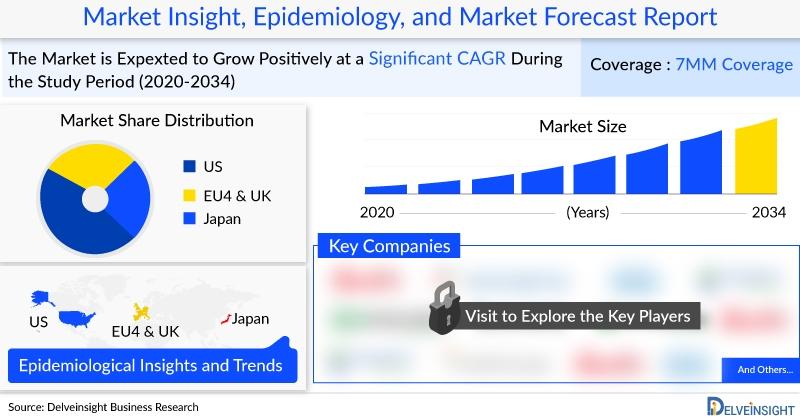
The article summarizes a commercial market report that lists current and upcoming Crohn's disease treatments, trial results, and a biosimilar approval — information patients may see reflected in treatment availability,...
There are many new drugs and trials underway for Crohn’s disease, which could expand future treatment options. Recent phase 2 and phase 3 starts from major pharma show active investment in IBD research.
The study suggests vitamin D might help the immune system tolerate gut bacteria better and lower intestinal inflammation, which could mean fewer symptoms or flares for people with Crohn’s disease or ulcerative colitis.