Cure8 research brief
Why This Matters
If successful, orally available small-molecule α4β7 inhibitors could offer a non-injectable alternative to current antibody therapy (vedolizumab) that targets the same gut-homing integrin—potentially widening treatment options for people with IBD.
This study describes rapid AI/ML-accelerated lead discovery and preclinical validation, which are early steps toward new drug development.
Who Should Pay Attention
Researchers in IBD drug discovery; clinicians following emerging IBD therapeutics; translational scientists interested in AI/ML drug design.
Study Snapshot
What To Know
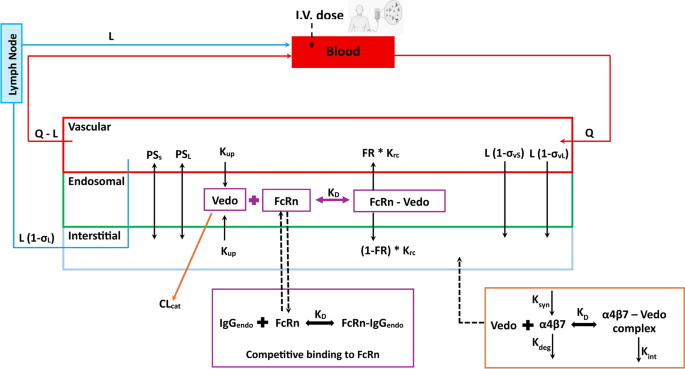
The team used machine learning and integrated design–make–test–analyze cycles with multiple assay tiers to rapidly progress to selective α4β7 inhibitor leads in under 18 months. These leads showed potency and selectivity for α4β7 over α4β1 in translational assays and animal models.
The abstract highlights platform capabilities and preclinical validation rather than patient outcomes or approved treatments.
Keep In Mind
Abstract-level preclinical discovery: findings are from in vitro and in vivo models and do not constitute clinical evidence. The platform-focused abstract emphasizes methods and lead progression timelines rather than detailed experimental data or safety findings.
Source Details
Review the original publication for the complete reporting, methods, and context.
This Cure8 brief is based on source text from the linked article. Cure8 is informational only and is not a substitute for professional medical advice, diagnosis, or treatment.