Biosimilars can expand access to effective biologic treatment for people with IBD by reducing costs, but adoption barriers mean some patients may not benefit. Understanding evidence, practical concerns, and implementation steps can help patients and clinicians navigate switching or starting biosimilars.
Who Should Pay Attention
Clinicians who prescribe biologics, patients on or considering biologic therapy (including those on biosimilars), health system leaders, and policymakers interested in implementation and cost/access issues.
Study Snapshot
Story typeResearch paper
Evidence typeResearch paper
Source depthJournal abstract
What To Know
This opinion/review article summarizes existing evidence about biosimilars in IBD (starting biologic‑naive patients on biosimilars, single and multiple switches, and reverse switches) and discusses controversies that hinder adoption such as immunogenicity concerns, indication extrapolation, non‑medical switching, and switch‑backs.
The authors describe system‑level and interpersonal barriers (including the nocebo effect and physician hesitation) and propose a pragmatic 5‑step framework to guide structured biosimilar initiation or switching in routine care.
The paper also highlights implementation challenges in resource‑limited settings and introduces the idea of a “nocebo‑prone environment” to explain unequal uptake.
Keep In Mind
This is an opinion/review article published in the World Journal of Gastroenterology that synthesizes evidence and offers implementation recommendations; it does not present new randomized trial results.
Source Details
Review the original publication for the complete reporting, methods, and context.
This Cure8 brief is based on source text from the linked article. Cure8 is informational only and is not a substitute for professional medical advice, diagnosis, or treatment.
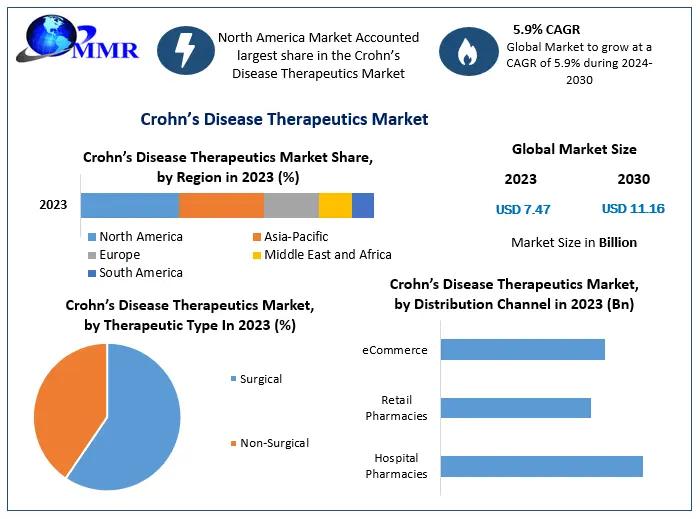
Changes in the therapeutics market can affect availability, pricing, and access to Crohn’s treatments. Growth in biosimilars and new drug approvals may influence what options become more widely available.
Market reports can signal which drugs, companies, and biosimilars are becoming more available and may affect access and cost. Announcements about biosimilars could influence treatment affordability and prescribing...
An interchangeable biosimilar to ustekinumab could expand access and lower costs for people with Crohn’s disease and ulcerative colitis who use Stelara. Pharmacists may be able to substitute the biosimilar for the...