Journal of visualized experiments : JoVE
Cure8 research brief
Cure8 research brief
Bone marrow edema–like MRI signal in people with Crohn disease and prior steroid exposure can be an early warning sign of underlying bone fragility. Recognizing worsening load-related pain with such imaging may prompt reassessment and bone-health evaluation to help prevent low-energy fractures.
Adults with Crohn disease, especially those with prior systemic corticosteroid exposure or low bone density; orthopedic and gastroenterology clinicians involved in bone-health or fracture care; patients concerned about bone health and fracture risk.
This JoVE case report describes a 44-year-old man with Crohn disease and prior systemic corticosteroid exposure who developed atraumatic, load-related right-knee marrow edema–like MRI signal followed weeks later by a low-energy comminuted bicondylar tibial plateau fracture that required open reduction and internal fixation.
Prefracture radiographs and CT lacked a visible fracture; MRI screenshots were limited and authors note they cannot prove direct anatomical progression. Postoperative recovery at ~3 months was reported as good. DXA performed later showed low bone density (lowest Z-score −2.8 at the right total hip).
The report highlights possible skeletal risk linked to steroids and low BMD and suggests reassessment and individualized bone-health evaluation when atraumatic marrow edema–like signal accompanies worsening load-related pain. What to this is a single case report and establishes temporal sequence but not causality or generalizable risk estimates.
Imaging screenshots in the abstract were limited and the full DICOM study was not available to reviewers. Management described (surgical fixation) reflects this patient’s specific fracture and should not be interpreted as general treatment guidance.
If you have atraumatic bone pain, recent steroid exposure, or known low bone density, clinicians may consider reassessing imaging, activity/load, and bone-health evaluation; discuss any concerns with your care team.
This is a single-patient case report (JoVE) with limited imaging availability in the abstract; findings are not generalizable. The authors emphasize temporal association but cannot prove direct progression from marrow edema–like signal to fracture.
Review the original publication for the complete reporting, methods, and context.
This Cure8 brief is based on source text from the linked article. Cure8 is informational only and is not a substitute for professional medical advice, diagnosis, or treatment.
Because PG is linked to IBD and can be triggered by surgery, a perioperative immunosuppressive approach reported here may be relevant to patients with IBD who have had prior PG or are planning reconstructive surgery.
This case suggests ustekinumab — a commonly used biologic for Crohn’s disease — might rarely be associated with kidney injury (FSGS). Patients and clinicians should be aware of new or worsening edema, proteinuria, or...
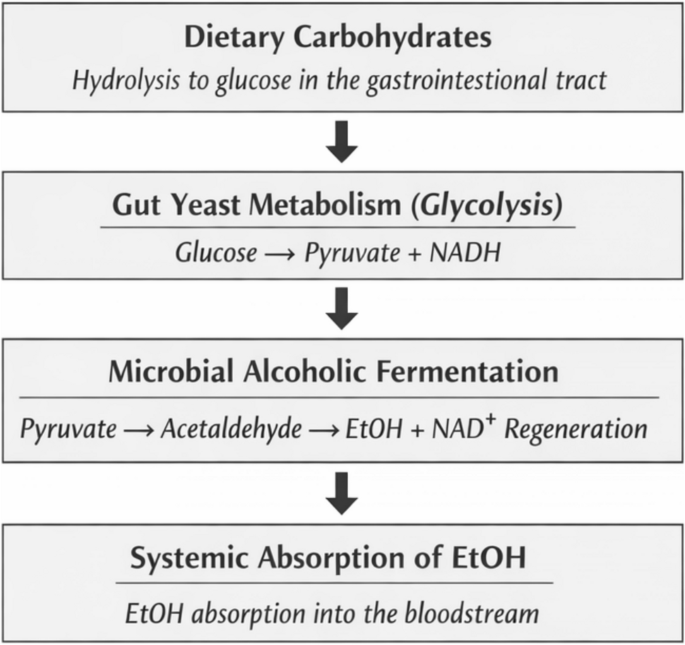
Auto-brewery syndrome can cause unexplained intoxication-like symptoms and may be under-recognized in people with Crohn’s disease. Recognizing gut fermentation as a possible cause can affect diagnostic testing and...