earth.com
Cure8 news brief
Cure8 news brief
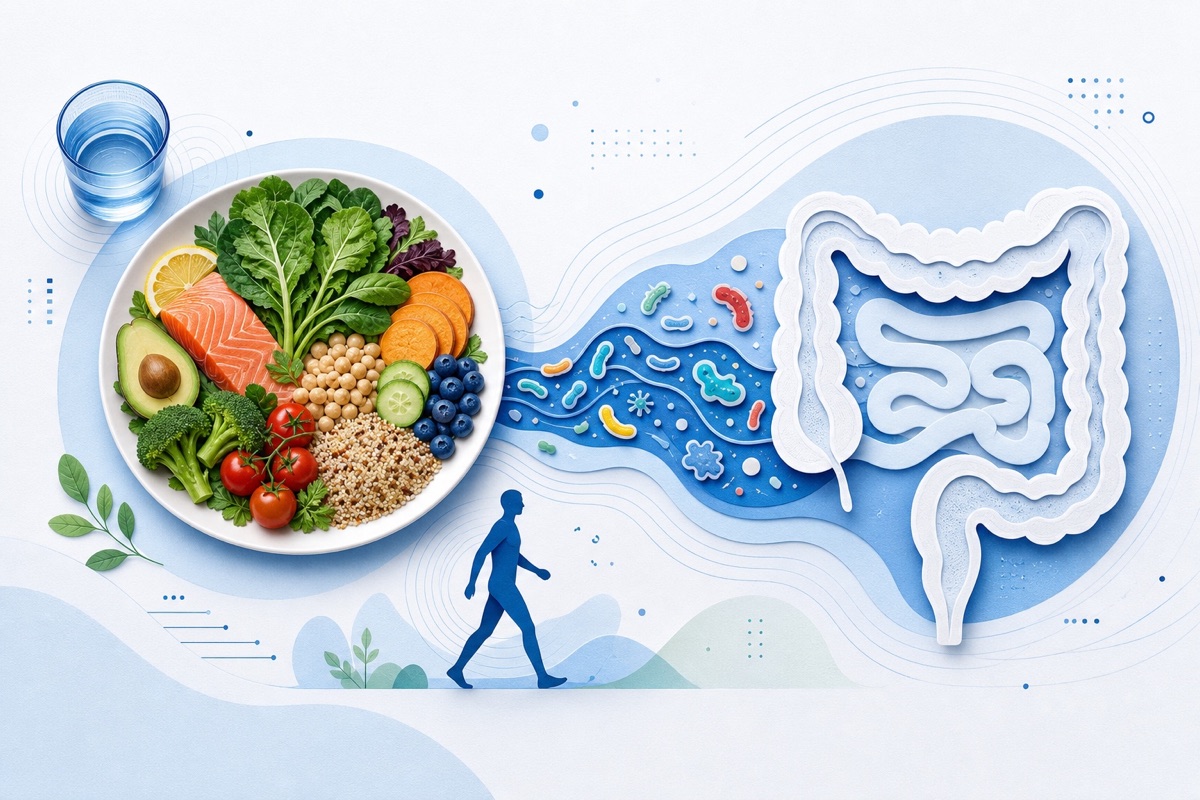
Many people with Crohn’s ask whether specific diets can reduce inflammation rather than only avoiding triggers. This randomized trial reports symptom and stool-marker improvements with a brief, repeated plant-based meal-kit plan, suggesting diet may help as an adjunct for some patients.
Adults with Crohn’s disease (especially colonic or ileocolonic disease), clinicians who manage IBD, dietitians, and researchers studying diet, biomarkers, or immune pathways in IBD.
This study suggests a brief, repeatable plant-based “reset” eaten five days each month was associated with symptom relief and reductions in a stool inflammation marker for many participants, without requiring permanent diet changes.
The trial included blood and stool biomarker measurements and some immune-pathway signals that moved toward less inflammation, but blood inflammation did not meet statistical significance. Side effects during the five-day periods (tiredness, headaches) were generally mild, and most participants adhered to the program.
Practical takeaways: The diet was studied as an add-on, not a replacement for medical care. Results are promising but preliminary: longer studies, independent replication, more endoscopic data, and trials in broader patient groups are needed before this becomes a recommended treatment. Discuss any major diet changes with your care team.
The trial was open-label and used commercial meal kits from a company linked to a coauthor, so independent replication and more endoscopic confirmation are needed. Benefits lessened after stopping the monthly cycles, so long-term effects and feasibility remain unclear.
Review the original publication for the complete reporting, methods, and context.
This Cure8 brief is based on source text from the linked article. Cure8 is informational only and is not a substitute for professional medical advice, diagnosis, or treatment.
This study suggests a Crohn disease exclusion diet (with partial enteral nutrition) helped some pediatric patients reach steroid-free clinical remission and lowered fecal calprotectin, measures important for disease...
This study suggests a specific three‑strain probiotic may help some people with Crohn’s disease feel slightly better and absorb certain nutrients better, even though it didn’t reduce core disease activity.
A time-restricted eating plan may help reduce problematic visceral fat and improve some Crohn’s symptoms and metabolic markers. For people with Crohn’s who are overweight or have metabolic concerns, this could be a...

