link.springer.com
Cure8 news brief
Cure8 news brief
IL‑23 inhibitors are an important and growing class of drugs for Crohn’s disease. Comparing them helps patients and clinicians understand differences in trial results, approvals, and possible treatment choices.
Patients on or considering biologic therapy (especially IL‑23/IL‑12/23 agents), IBD clinicians, and researchers studying biologic treatments or biomarkers.
The article summarizes current IL‑23 and IL‑12/23 biologics used or studied in Crohn’s disease, highlighting individual drugs rather than broad class statements. It references phase 3 trials and comparative data for several agents. It may discuss ways clinicians assess response or choose between these drugs, including trial endpoints or biomarkers.
If you use or are considering a biologic, this review could help you understand how different IL‑23–targeted options have been studied and how they compare in clinical trials. It does not provide treatment advice or specific recommendations for individual care; discuss any medication changes with your clinician.
For clinicians and researchers, the article compiles trial references and comparative information about IL‑23 vs IL‑12/23 inhibition in Crohn’s disease.
This is a scholarly review in a pharmacology journal that cites phase 3 trials and other studies. Reviews summarize existing evidence but do not replace individualized medical advice. The article likely focuses on trial data and drug characteristics rather than new primary trial results.
Review the original publication for the complete reporting, methods, and context.
This Cure8 brief is based on source text from the linked article. Cure8 is informational only and is not a substitute for professional medical advice, diagnosis, or treatment.
A newly FDA‑approved IL‑23 drug for Crohn’s may increase treatment options for people with IBD, including an IV and a subcutaneous formulation. The approval could affect switching decisions for patients not responding to...
A new FDA approval means another biologic option for people with moderately to severely active Crohn’s disease, including patients who have failed or not tolerated prior therapies.
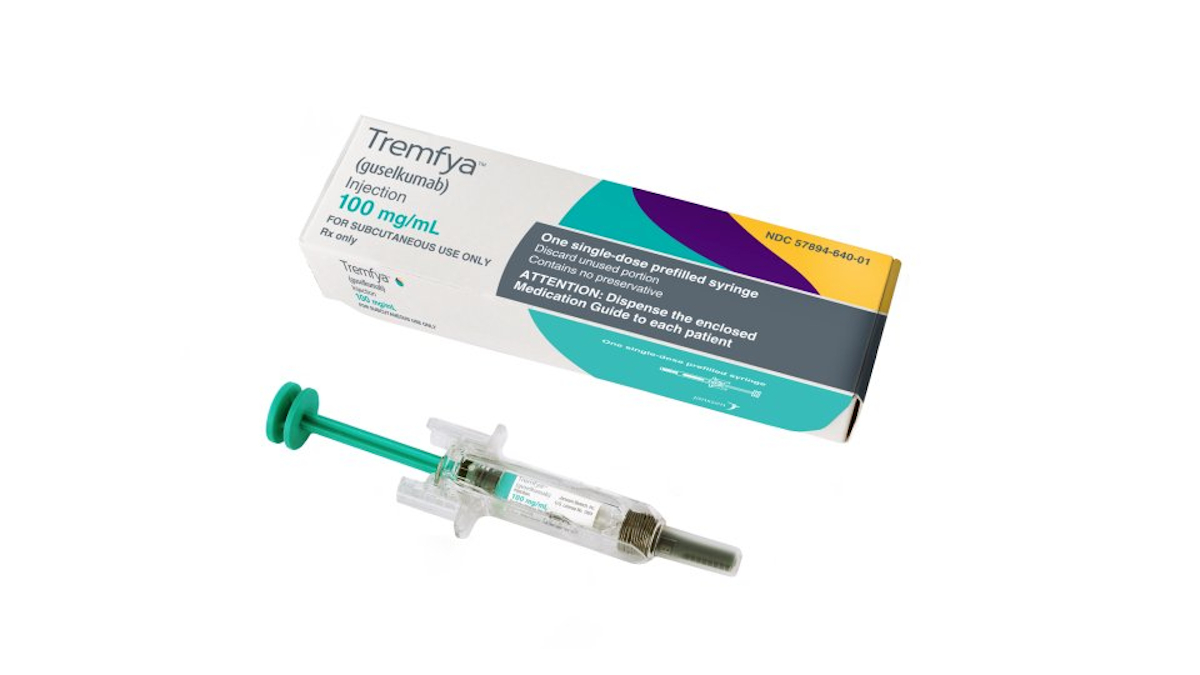
A newly FDA-approved option (Tremfya/guselkumab) may offer more flexible dosing that could affect how people with moderate-to-severe Crohn’s start biologic treatment.