
openpr.com
Cure8 news brief
Cure8 news brief
Fibrostenotic Crohn’s disease causes strictures and often requires surgery; emerging anti‑fibrotic therapies aim to prevent or slow structural bowel damage beyond inflammation control. Patients and clinicians may see new treatment approaches and regulatory interest focused on fibrosis in the coming years.
Clinicians and researchers working on Crohn’s disease, patients with stricturing or post‑surgical disease, people on biologics, and industry stakeholders tracking drug development and regulatory trends.
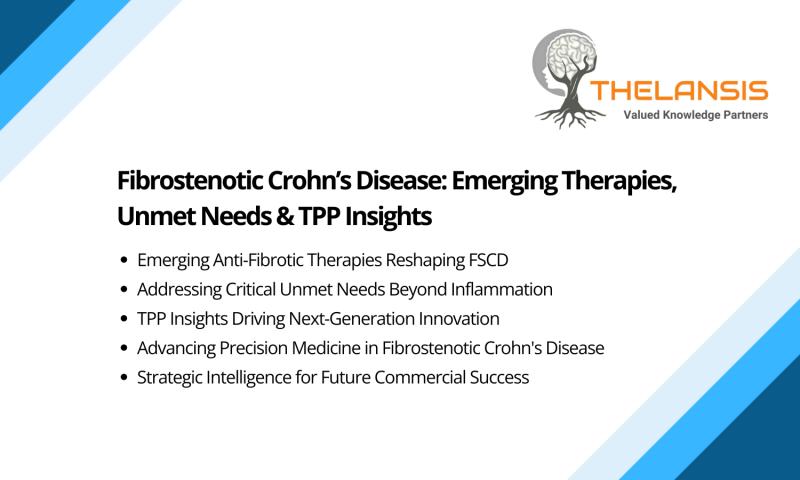
Fibrostenotic Crohn’s disease refers to progressive intestinal fibrosis leading to strictures; the piece frames FSCD as a growing focus for drug developers rather than reporting new clinical trial results.
It emphasizes that current biologics (anti‑TNF, anti‑integrin, IL‑23) control inflammation but have limited effect on established fibrosis, and describes investigational anti‑fibrotic strategies and the need for appropriate clinical endpoints and imaging/biomarker tools.
Implications: The article is industry/market oriented — useful for understanding why companies and regulators are prioritizing fibrosis-targeted programs and for the types of mechanisms and commercial evidence developers are seeking. It does not present patient-level data or clinical guidance.
This is a market/report/press-release summary rather than a primary clinical study. It outlines research directions and commercial strategy rather than providing new trial results or clinical recommendations. Key clinical questions (early detection of fibrosis, appropriate endpoints, and distinguishing inflammation from fibrosis) remain unresolved.
Review the original publication for the complete reporting, methods, and context.
This Cure8 brief is based on source text from the linked article. Cure8 is informational only and is not a substitute for professional medical advice, diagnosis, or treatment.
The article summarizes a commercial market report that lists current and upcoming Crohn's disease treatments, trial results, and a biosimilar approval — information patients may see reflected in treatment availability,...
This report summarizes recent late-stage trial results, regulatory actions, and new biosimilar launches that could affect treatment options, availability, and drug costs in Crohn’s disease over the coming years.
The article summarizes recent drug approvals and Phase 3 trial results that could affect which biologic treatments are available and how the Crohn's disease treatment market may change. It also gives epidemiology and...