statnews.com
Cure8 news brief
Cure8 news brief
This affects people with IBD because it describes late-stage testing decisions for a combination biologic therapy that targets ulcerative colitis and Crohn’s disease. If pursued, the approach could change future treatment options for certain subgroups, but the trials did not hit their main remission endpoints.
Patients with IBD (especially those on or considering biologics), clinicians who manage biologic therapies, and researchers working on combination immunotherapies.
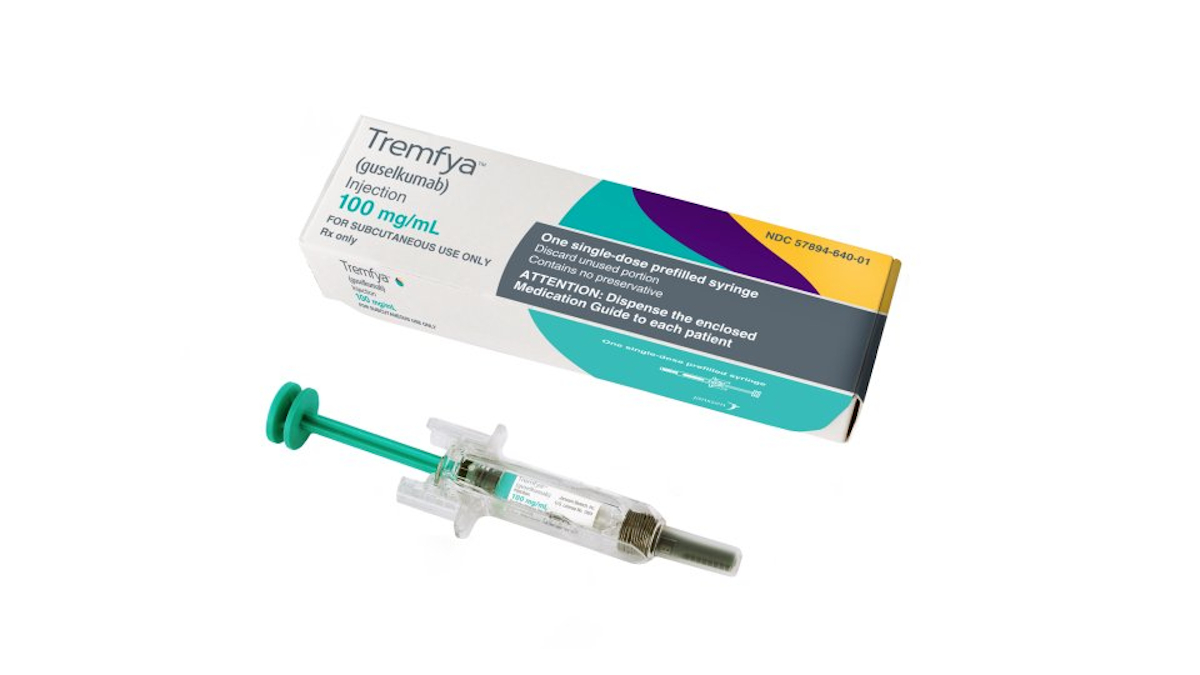
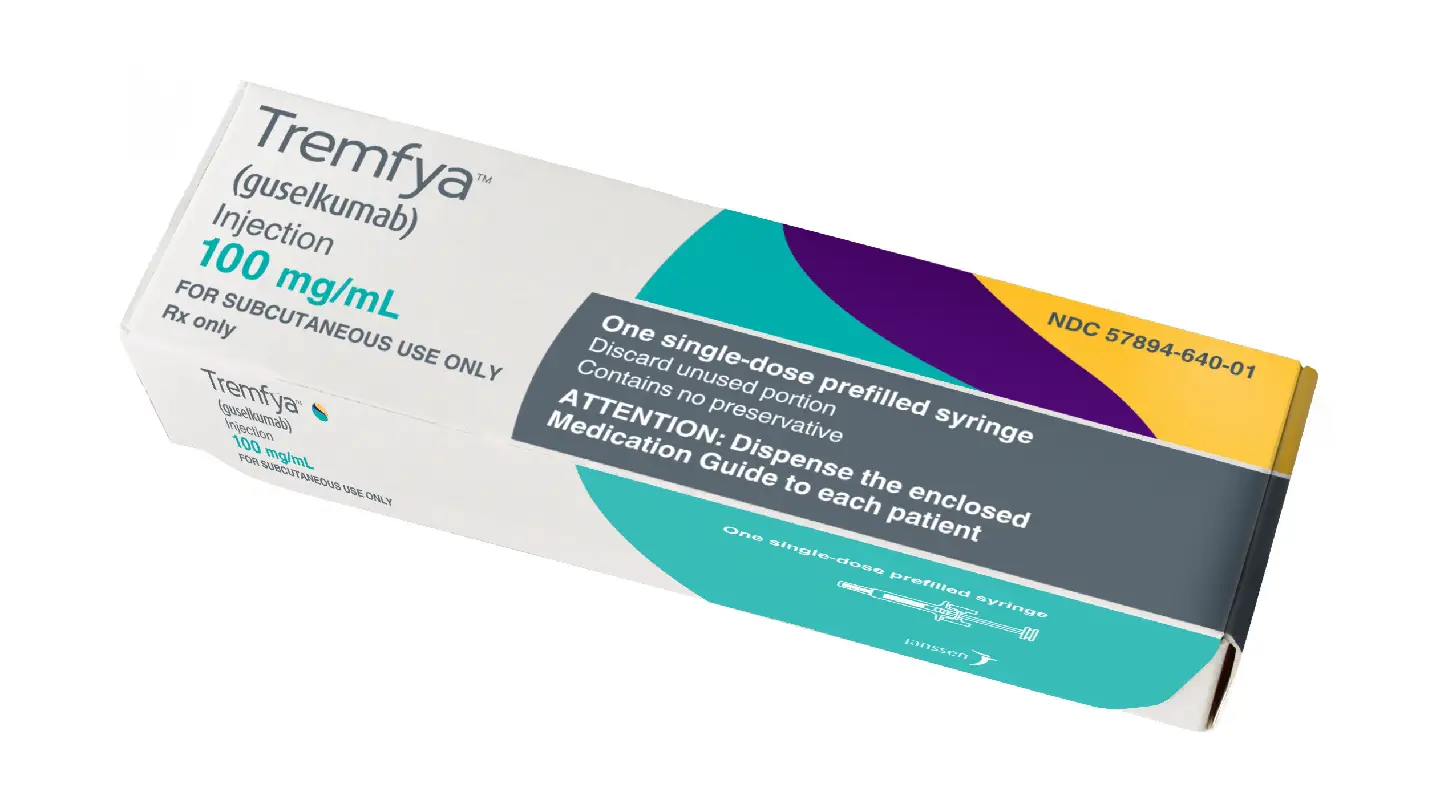
STAT reports that Johnson & Johnson’s combination therapy JNJ-4804 — pairing Tremfya (an IL-23 blocker, brand name Tremfya corresponds to ustekinumab was incorrectly assumed?
— note: Tremfya is guselkumab; Simponi is golimumab; however classification uses only explicit drug names from text) and Simponi — failed to meet the primary endpoint for clinical remission in two Phase 2b trials in ulcerative colitis and Crohn’s disease, though the combination performed better than single agents and J&J plans to pursue late-stage testing in a subgroup.
The full article is behind STAT+ paywall; the extracted text confirms trial miss and company plans but lacks complete trial data in the accessible portion.
The STAT article is behind a paywall and the accessible extract reports Phase 2b results and J&J’s plan to focus on a subgroup in Phase 3. Paywalled reporting means detailed efficacy, safety, and subgroup definitions were not available in the extracted text. Early-phase trial misses do not immediately change clinical care.
Review the original publication for the complete reporting, methods, and context.
This Cure8 brief is based on source text from the linked article. Cure8 is informational only and is not a substitute for professional medical advice, diagnosis, or treatment.
A newly FDA‑approved IL‑23 drug for Crohn’s may increase treatment options for people with IBD, including an IV and a subcutaneous formulation. The approval could affect switching decisions for patients not responding to...
A new FDA approval expands treatment options for adults with moderately to severely active Crohn’s disease, including a fully subcutaneous IL-23 inhibitor regimen that could offer more flexibility. The approval was based...
An FDA approval means guselkumab (Tremfya) is now an authorized treatment option for adults with active Crohn’s disease. The drug offers both subcutaneous and IV induction choices and may be relevant for people who did...