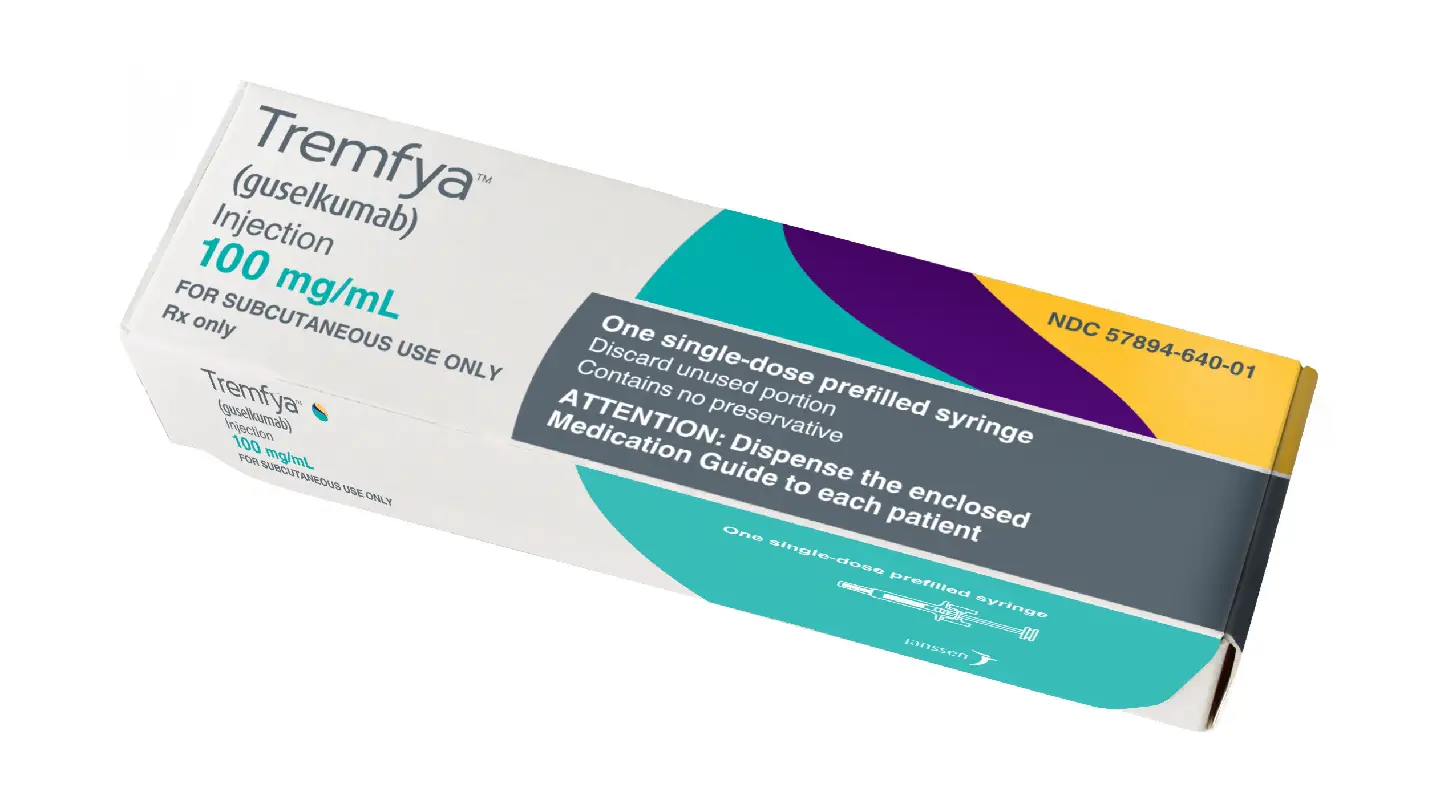
Long-term (five-year) data suggest guselkumab may provide sustained clinical and endoscopic benefit for people with moderate-to-severe Crohn’s disease, which is important for disease control and reducing need for surgery. Safety signals were reportedly consistent over five years.
Who Should Pay Attention
Adults with Crohn’s disease, patients on or considering biologic/IL-23 therapies, gastroenterologists, and IBD researchers.
Study Snapshot
Story typeResearch news
Evidence typeClinical study
Source depthFull source text
What To Know
This news item reports long-term follow-up data (five years) from a clinical development program for guselkumab in Crohn’s disease. The key points are sustained clinical and endoscopic benefit among patients who stayed on treatment and a consistent safety profile over the follow-up period.
The article cites objective measures such as endoscopic response and remission and places these findings in the context of prior GALAXI induction, maintenance, and Phase 3 publications.
It does not provide detailed methods, full numerical denominators, nor independent expert critique; the findings come from the trial program funded by the drug manufacturer and reported in a peer-reviewed journal.
For individual treatment decisions or interpretation of applicability, patients should discuss with their care team and consult the original Inflammatory Bowel Diseases paper for full data.
Keep In Mind
This summary is based on a MedicalXpress report of a five-year analysis published in Inflammatory Bowel Diseases. The article highlights outcomes for patients who remained on therapy; it does not give full trial methods, enrollment numbers, or subgroup details. The GALAXI program was sponsored by Johnson & Johnson; consult the original paper for complete data and context.
Source Details
Review the original publication for the complete reporting, methods, and context.
This Cure8 brief is based on source text from the linked article. Cure8 is informational only and is not a substitute for professional medical advice, diagnosis, or treatment.
IL‑23 inhibitors are an important and growing class of drugs for Crohn’s disease. Comparing them helps patients and clinicians understand differences in trial results, approvals, and possible treatment choices.
An FDA approval means guselkumab (Tremfya) is now an authorized treatment option for adults with active Crohn’s disease. The drug offers both subcutaneous and IV induction choices and may be relevant for people who did...
If approved, TREMFYA (guselkumab) could become an additional IL‑23 inhibitor option for adults with moderate‑to‑severe Crohn’s disease, including both IV and SC induction dosing. That may affect treatment choices for...