This preclinical study identifies Thymosin β4 as a protective factor in intestinal inflammation and fibrosis and suggests rhTβ4 could be explored as a new therapeutic approach for IBD by targeting mineralocorticoid receptor signaling.
Who Should Pay Attention
Researchers; clinicians interested in IBD therapeutics and fibrosis; translational drug developers.
Study Snapshot
Story typeResearch paper
Evidence typeResearch paper
Source depthJournal abstract
What To Know
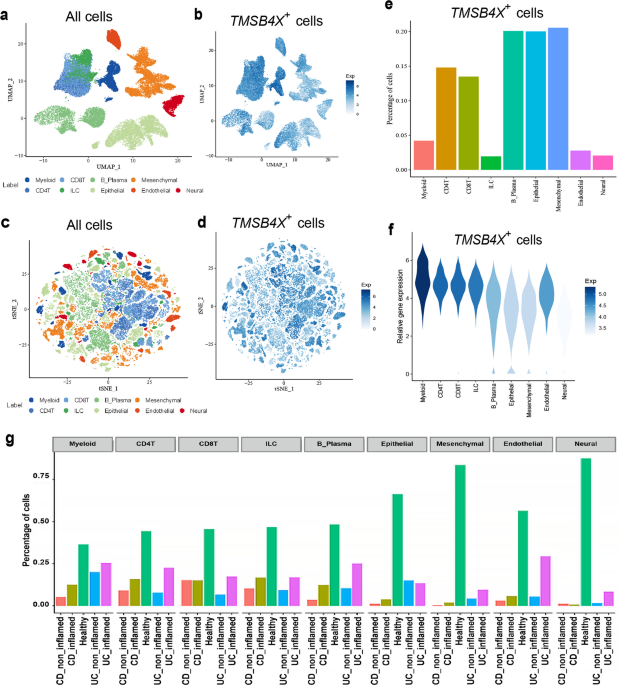
This study reports that the endogenous peptide Thymosin β4 (Tβ4), encoded by TMSB4X, is reduced in colonic tissue from IBD patients and that loss of the mouse Tmsb4x gene increases susceptibility to DSS-induced colitis.
Giving recombinant human Tβ4 (rhTβ4) by oral administration in mouse models improved survival, reduced weight loss, lessened epithelial injury, lowered inflammatory cytokines, and decreased markers of intestinal fibrosis and collagen I deposition.
The authors performed transcriptomic analyses and functional assays linking rhTβ4’s effects to suppression of mineralocorticoid receptor (MR/NR3C2) signaling, suggesting a possible mechanism for both anti-inflammatory and anti-fibrotic benefits. The paper frames pharmacological restoration of Tβ4 activity as a potential therapeutic strategy for IBD.
This summary is based on the article abstract and reported experimental findings; it does not represent review of the full paper beyond the provided text.
Keep In Mind
Results are from mouse models and molecular analyses reported in the article abstract; clinical efficacy and safety in people are not addressed here.
Source Details
Review the original publication for the complete reporting, methods, and context.
Funding disclosed by the source: Shanxi Provincial Key Laboratory of classical prescription strengthening yang, award CPSY 202204; Shanxi Key Laboratory Project, award 202504010931053
This Cure8 brief is based on source text from the linked article. Cure8 is informational only and is not a substitute for professional medical advice, diagnosis, or treatment.
The work identifies an endogenous peptide (Tβ4) that is reduced in IBD and shows that replacing it in mice lessens colitis and intestinal fibrosis, pointing to a new potential treatment target for inflammation and...
The paper identifies berberine as an alkaloid that reduced epithelial cell pyroptosis and improved tissue injury in a mouse model of bacterial colitis, suggesting a possible new anti-inflammatory mechanism relevant to...
The study introduces a novel preclinical therapeutic approach that selectively degrades HDAC6 and reduced inflammation in a mouse model of colitis, suggesting a potential new drug-discovery avenue relevant to ulcerative...