Journal of medicinal chemistry
Cure8 research brief
Cure8 research brief
The study introduces a novel preclinical therapeutic approach that selectively degrades HDAC6 and reduced inflammation in a mouse model of colitis, suggesting a potential new drug-discovery avenue relevant to ulcerative colitis.
Researchers studying IBD drug discovery, immune signaling (NF-κB/HDAC6/HSP90), and translational scientists; clinicians interested in future therapeutic targets for ulcerative colitis.
This is a preclinical medicinal chemistry and biology study (abstract-level summary). Researchers modified Nexturastat A to create hydrophobic-tag HDAC6 degraders and identified compound 20c that selectively degrades HDAC6 in vitro via the ubiquitin–proteasome system.
In a dextran sulfate sodium (DSS)–induced colitis mouse model, 20c reportedly alleviated disease features and lowered pro-inflammatory cytokines. Transcriptomic/biochemical analyses linked effects to suppression of NF-κB signaling via an HDAC6–HSP90–NF-κB axis.
The findings are promising for drug-discovery but are preclinical and reported in an abstract; safety, dosing, and human efficacy are not addressed here. This summary is grounded in the article abstract on PubMed and does not imply clinical readiness or regulatory approval.
This is an abstract-level, preclinical report (mouse model and in vitro work). Results do not indicate human safety or effectiveness; further preclinical development and clinical trials would be required.
Review the original publication for the complete reporting, methods, and context.
This Cure8 brief is based on source text from the linked article. Cure8 is informational only and is not a substitute for professional medical advice, diagnosis, or treatment.
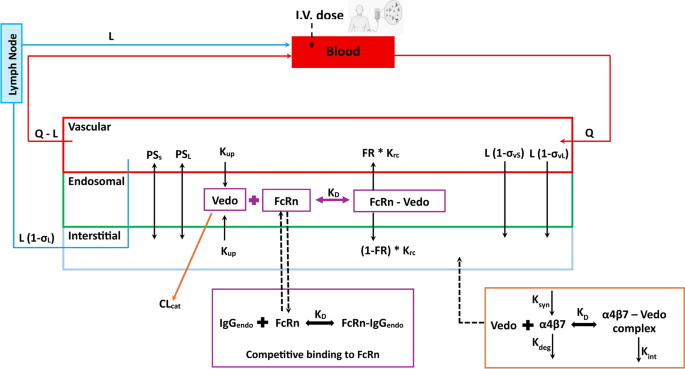
Vedolizumab blood levels can vary with disease activity; a model that links intestinal α4β7 expression to drug exposure helps explain why some patients have lower drug levels and may need different dosing. This could...
Researchers are developing a novel drug-discovery approach to degrade GATA3, a protein that drives Th2 inflammation in ulcerative colitis. New therapies that more directly target immune drivers could eventually help...
This reports Phase 2b results for a new investigational biologic (JNJ-4804) that targets both IL-23 and TNF and showed higher clinical and endoscopic responses in patients with refractory UC and CD — a group with few...