A new IL-17A drug (vunakizumab) is reported to have triggered severe ulcerative colitis in one patient, suggesting clinicians and patients starting IL-17A inhibitors should watch for early gastrointestinal symptoms.
Who Should Pay Attention
Clinicians prescribing IL-17A inhibitors; patients on biologics (esp. IL-17A agents); researchers studying biologic adverse events and immune pathways.
Study Snapshot
Story typeResearch paper
Evidence typeResearch paper
Source depthJournal abstract
What To Know
The paper describes a 54-year-old man who developed acute severe UC about one week after his third vunakizumab injection.
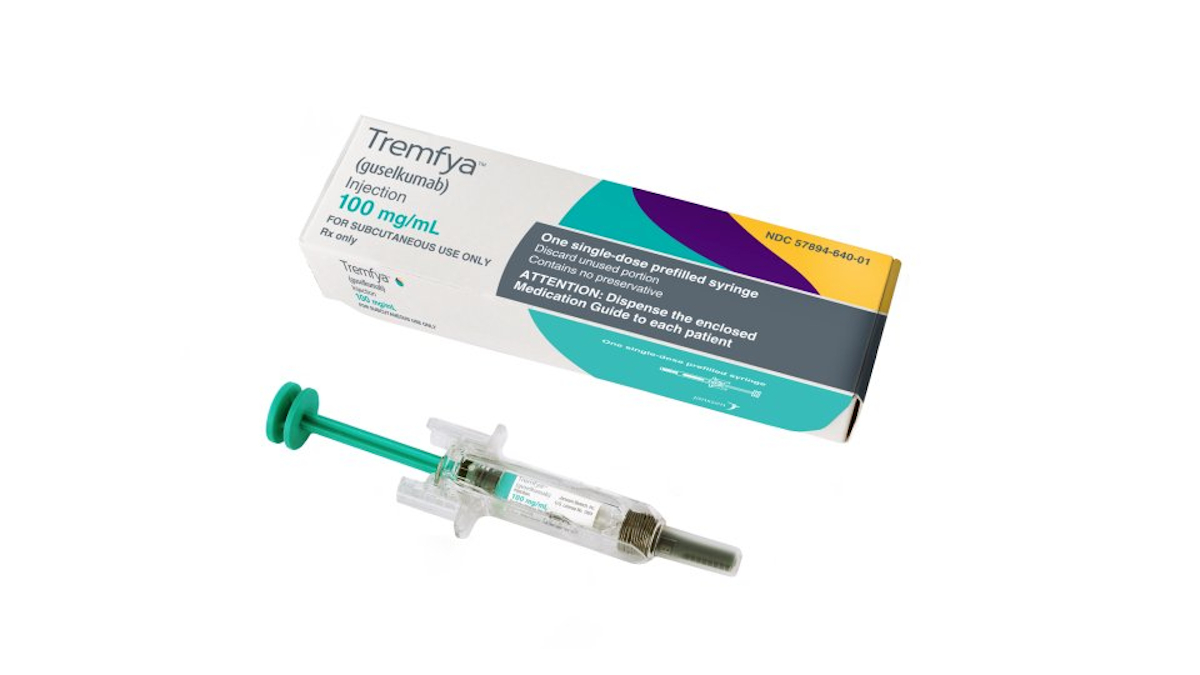
The authors judged the drug–reaction relationship as "probable" and stopped vunakizumab; the patient received intravenous corticosteroids and was later switched to the IL-23 blocker guselkumab, with reported control of both intestinal and joint symptoms.
The authors suggest a possible mechanism involving disruption of the intestinal epithelial barrier and compensatory IL-23 upregulation after IL-17A blockade.
They recommend vigilance during the first three months after starting IL-17A inhibitors and consideration of stopping the drug and using corticosteroids for induction, with transition to an IL-23 inhibitor as a potential option.
Keep In Mind
This is a single case report published in Frontiers in Immunology and should be interpreted as an early safety signal that requires confirmation in larger post-marketing or registry studies. The article's conclusions are grounded in the provided abstract.
Source Details
Review the original publication for the complete reporting, methods, and context.
This Cure8 brief is based on source text from the linked article. Cure8 is informational only and is not a substitute for professional medical advice, diagnosis, or treatment.
This EC approval means ustekinumab (Stelara) is now an authorised treatment option in the EU for certain children and adolescents with moderate–severe Crohn’s disease who have not responded to other treatments.
These are phase 3 results showing subcutaneous guselkumab helped more people reach clinical and endoscopic goals than placebo in moderate-to-severe UC and Crohn’s disease; a fully subcutaneous option could offer more...
A newly FDA‑approved IL‑23 drug for Crohn’s may increase treatment options for people with IBD, including an IV and a subcutaneous formulation. The approval could affect switching decisions for patients not responding to...