Cure8
Plasma lipopolysaccharide-binding protein (LBP), a proxy for intestinal permeability, relates to clinicopathological and immunological disease activity in inflammatory bowel disease patients at diagnosis and during disease course.
Journal of Crohn's & colitis

Cure8 research brief

Plasma lipopolysaccharide-binding protein (LBP), a proxy for intestinal permeability, relates to clinicopathological and immunological disease activity in inflammatory bowel disease patients at diagnosis and during disease course.

2 min read
Tests and monitoring Biomarkers Biomarker Clinical study Pediatric Patients Clinicians Researchers Patients On Biologics

Why This Matters

A simple blood marker (LBP) that reflects bacterial exposure across the gut barrier was linked to disease severity and immune activity at diagnosis and during follow-up—especially in ulcerative colitis—so it might help monitor mucosal inflammation alongside existing tests.

This is potentially relevant for pediatric patients and clinicians tracking disease activity.

Who Should Pay Attention

Pediatric IBD patients and caregivers; gastroenterology clinicians; researchers interested in biomarkers, intestinal permeability, and immune pathways in IBD.

Study Snapshot

Story typeResearch paper
Evidence typeResearch paper
Source depthJournal abstract

What To Know

This paper reports that plasma lipopolysaccharide-binding protein (LBP), an indirect blood biomarker reflecting systemic exposure to bacterial endotoxin (used here as a proxy for intestinal permeability), was measured longitudinally in a large, newly diagnosed pediatric IBD cohort.

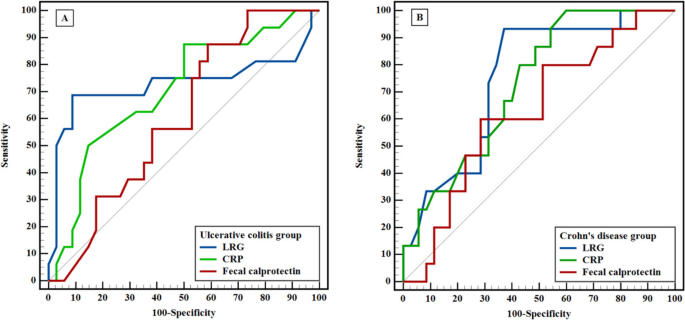
LBP levels were higher in treatment‑naive Crohn’s disease and ulcerative colitis patients and were associated with clinicopathological and immune activity measures at diagnosis and over follow-up.

In ulcerative colitis, LBP showed particularly strong independent correlations with disease extent and with endoscopic and histologic activity, adding explanatory value beyond common blood markers (for example CRP and IL‑6). LBP also tracked with disease‑specific immune protein profiles (IL‑17/neutrophil/IFN‑γ pattern in UC; IFN‑γ pattern in CD).

LBP decreased after certain induction therapies: corticosteroids in UC, and exclusive enteral nutrition or anti‑TNF in CD (but not after corticosteroids in CD). The authors conclude LBP could be reconsidered as a simple, inexpensive adjunctive blood marker for monitoring mucosal inflammation—especially in UC.

Keep In Mind

Abstract-level summary from the Journal of Crohn’s & Colitis; findings are from pediatric cohorts and use LBP as an indirect biomarker of permeability. This does not itself establish LBP as a validated clinical monitoring tool across all settings.

Source Details

Review the original publication for the complete reporting, methods, and context.

Read Original Source
Research paper Evidence type derived from source or registry metadata.
PublicationJournal of Crohn's & colitis
AuthorsDaniëlle M H Barendregt, Bastiaan Tuk, Daniëlle H Hulleman-van Haaften +8 more
InstitutionLaboratory of Pediatrics, Division of Gastroenterology and Nutrition, Erasmus University Medical Center-Sophia Children's Hospital, Rotterdam, 3000 CA, The Netherlands.
Study typeJournal article
Indexed viaPubMed
Source typeResearch paper
PublishedOct 9, 2026, 12:00 AM
Content availableJournal abstract

This Cure8 brief is based on source text from the linked article. Cure8 is informational only and is not a substitute for professional medical advice, diagnosis, or treatment.

Related Reading

Browse latest news →