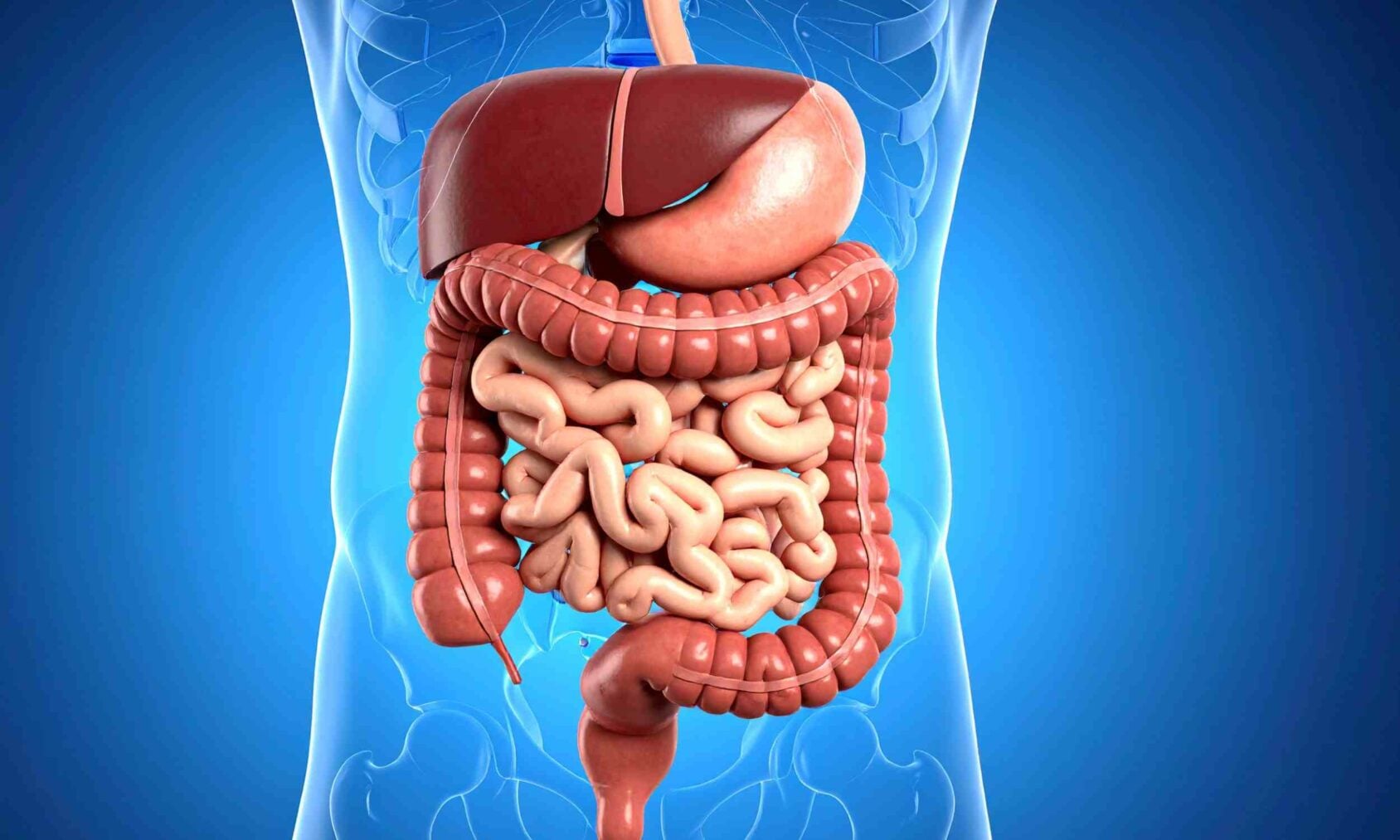
Researchers have found a short peptide in potato protein with antioxidant and anti-inflammatory properties and are testing it as a possible oral treatment for intestinal inflammation — a potential new, plant-derived option for people with IBD if preclinical and clinical testing succeed.
Who Should Pay Attention
Adult patients with IBD (ulcerative colitis or Crohn’s), patients seeking non-biologic oral therapies, gastroenterology clinicians, and researchers in drug discovery or microbiome/immune-pathway fields.
Study Snapshot
Story typeResearch news
Evidence typeEarly laboratory research
Source depthFull source text
What To Know
Northeastern University researchers have identified a short, six–amino-acid peptide sequence found in potato protein that shows anti-inflammatory and antioxidant activity in lab studies. The team is synthesizing the peptide in the lab, studying how it enters cells and which proteins it binds to, and exploring whether it can promote helpful gut bacteria.
Next steps described by the researchers include testing the compound orally in mouse models of colitis and, if those results are promising, proceeding to clinical trials. The researchers envision developing the peptide into a concentrated supplement or oral therapy that targets inflammation without broadly suppressing the immune system.
Keep In Mind
The article reports early-stage laboratory research and plans for mouse studies; it does not present human clinical trial data. Outcomes from preclinical studies are preliminary and require clinical testing to determine real-world safety and effectiveness.
Source Details
Review the original publication for the complete reporting, methods, and context.
Early laboratory researchArticle type assigned from Cure8 classification; confirm details in the original source.
Publicationnews.northeastern.edu
AuthorsKatya Poltorak
Indexed viaGoogle News
Source typeWeb article
PublishedSep 22, 2026, 8:26 PM
Content availableFull source text
This Cure8 brief is based on source text from the linked article. Cure8 is informational only and is not a substitute for professional medical advice, diagnosis, or treatment.
If successful, this approach could lower costs and simplify storage/transport of an established IBD antibody (adalimumab) and enable oral delivery, which would be relevant to people with Crohn’s disease or ulcerative...
The study suggests a new host-directed mechanism that helps a common beneficial gut bacterium (Faecalibacterium prausnitzii) colonize and protect the gut lining, and identifies heparan sulfate as a potential way to...
The study suggests vitamin D might help the immune system tolerate gut bacteria better and lower intestinal inflammation, which could mean fewer symptoms or flares for people with Crohn’s disease or ulcerative colitis.