International Journal of Medical Sciences
Cure8 research brief
Cure8 research brief
Patients with UC and their clinicians may encounter CMV on colon biopsy testing; this study suggests CMV detection is linked with higher mucosal inflammation and a less favorable long-term course, highlighting a potential factor to consider during evaluation of severe or refractory disease.
The findings do not show that antiviral treatment improved outcomes, which underscores ongoing uncertainty about when to treat CMV in UC and the need for more definitive studies.
Clinicians who manage ulcerative colitis (gastroenterologists), adult UC patients—especially those with severe or steroid-refractory flares—and researchers studying viral triggers and biomarkers in IBD.
This paper links molecular detection of CMV in colon biopsies to higher mucosal inflammation and a less favorable long-term disease course in UC, based on retrospective data from a tertiary center. Antiviral therapy was used in many CMV-positive patients but was not associated with better outcomes at follow-up in this cohort.
The authors conclude that further research is needed to clarify whether CMV contributes causally to worse disease or is a marker of severe inflammation, and how it may affect responses to advanced therapies. The study is retrospective, single-center, and uses tissue PCR for CMV; that design can show associations but cannot prove causation.
Reported findings focus on disease activity scores and treatment exposure rather than randomized comparisons of antiviral therapy.
Retrospective cohort data can identify associations but not prove causality. The study used tissue PCR to detect CMV and reported no effect of antiviral therapy on long-term clinical outcomes in this sample; however, therapy decisions and disease severity were not randomized, which may confound comparisons.
Current guidelines still recommend targeted CMV testing in refractory UC but leave treatment thresholds unclear.
Review the original publication for the complete reporting, methods, and context.
This Cure8 brief is based on source text from the linked article. Cure8 is informational only and is not a substitute for professional medical advice, diagnosis, or treatment.
People with UC can develop severe neutrophilic skin complications like Sweet’s syndrome that may reflect active bowel inflammation even when recent tests suggested remission.
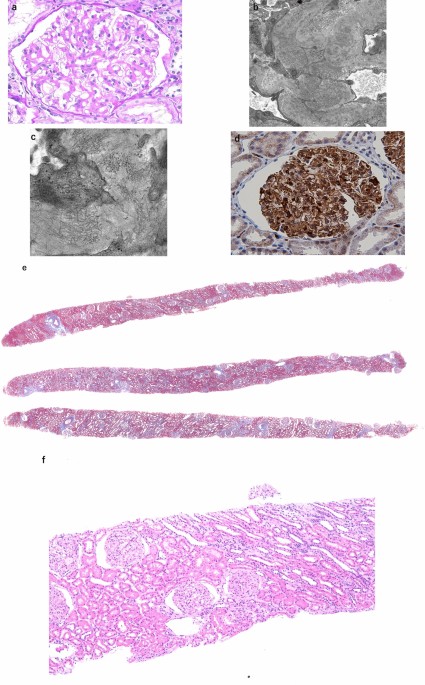
This report links a rare kidney disease (FGN) with ulcerative colitis in a young adult and raises atypical familial Mediterranean fever as a possible underlying autoinflammatory cause; recognizing this could change...
Cure8 could only read part of this source from Internal Medicine, so this card uses cautious topic tags instead of a full summary. It is tagged for Ulcerative colitis, Inflammatory bowel disease, and Budesonide.