ClinicalTrials.gov
Cure8 trial brief
Cure8 trial brief
This registered Phase 2/3 program is evaluating guselkumab (an IL‑23 inhibitor) for moderate–severe Crohn's disease and could expand treatment options if trials show benefit and safety. The studies include clinical and endoscopic outcomes and a long‑term extension.
Adults with moderate–severe Crohn's disease, clinicians treating IBD, researchers focused on biologic therapies/IL‑23, and patients considering trial participation or new biologic options.
This ClinicalTrials.gov record describes three linked studies: a 48‑week Phase 2 dose‑ranging trial (GALAXI 1) to choose induction and maintenance dosing, and two 48‑week Phase 3 confirmatory trials (GALAXI 2 and GALAXI 3). Participants who complete the parent studies may be eligible for a long‑term extension (LTE).
Efficacy, pharmacokinetics, biomarkers, and safety are being assessed, with both clinical and endoscopic outcomes (including CDAI and SES‑CD) specified. The Phase 2 arms include multiple IV and SC guselkumab dosing regimens and an active ustekinumab comparator arm; there is also a placebo arm with provision for switching nonresponders to ustekinumab.
Primary outcomes include change in CDAI at Week 12 (Phase 2) and combined clinical response/remission endpoints in Phase 3.
This entry is a ClinicalTrials.gov record describing study design, eligibility, interventions, and planned outcomes (trial‑record depth). It does not report trial results; interpretive conclusions require publication of the trial findings.
Review the original publication for the complete reporting, methods, and context.
This Cure8 brief is based on source text from the linked article. Cure8 is informational only and is not a substitute for professional medical advice, diagnosis, or treatment.
The article summarizes recent drug approvals and Phase 3 trial results that could affect which biologic treatments are available and how the Crohn's disease treatment market may change. It also gives epidemiology and...
An FDA approval means another biologic option is available for Crohn’s disease, which could affect treatment choices and insurance coverage. The approval also signals pharma competition and pipeline activity that may...
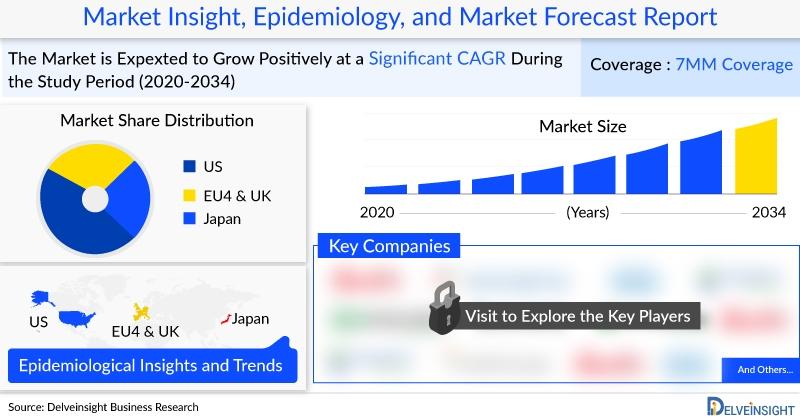
The article summarizes a commercial market report that lists current and upcoming Crohn's disease treatments, trial results, and a biosimilar approval — information patients may see reflected in treatment availability,...