Atriplex portulacoides L. derived phytochemicals mitigate acetic acid induced colitis in rats via orchestrating Nrf2/Keap1 signalling and LncRNAs gene expression
The study identifies a plant extract that reduced inflammation and oxidative stress and altered molecular pathways (Nrf2/Keap1, NF-κB) and lncRNA expression in a rat colitis model—potential leads for future IBD research but not clinical treatment.
Who Should Pay Attention
Researchers studying IBD mechanisms or drug discovery, translational scientists interested in antioxidant/anti-inflammatory phytochemicals, and clinicians who follow preclinical developments in IBD therapies.
Study Snapshot
Story typeResearch paper
Evidence typeResearch paper
Source depthJournal abstract
What To Know
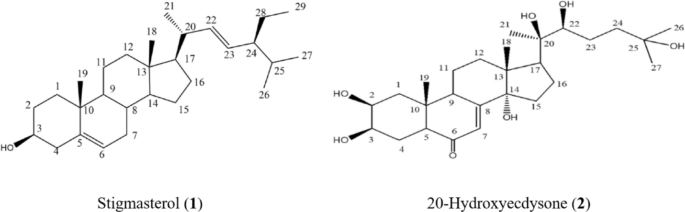
This paper reports animal-model (rat) experiments and phytochemical analysis identifying 35 metabolites in the plant extract; two compounds (stigmasterol and 20-hydroxyecdysone) were isolated.
Treated animals showed improvements in tissue histology, lower TNF-α and markers of oxidative damage, higher antioxidant capacity, increased Nrf2 and HO-1 mRNA, lowered NF-κB mRNA, and modulation of lncRNAs FENDRR and Neat1.
The study frames APME as a candidate antioxidant/anti-inflammatory agent that may guide future drug-discovery or mechanistic research in IBD.
Keep In Mind
Preclinical animal-model data do not equal human efficacy or safety; results guide further research rather than immediate clinical recommendations. The structured content derives from the article abstract (structured content depth: abstract).
Source Details
Review the original publication for the complete reporting, methods, and context.
This Cure8 brief is based on source text from the linked article. Cure8 is informational only and is not a substitute for professional medical advice, diagnosis, or treatment.
Patients and clinicians often ask whether herbal formulas or plant compounds can help IBD. This preclinical study identifies quercetin and the PI3K–Akt pathway as potential mechanisms, which may guide future research...
This study identifies plant extracts—especially Commiphora gileadensis—that reduced inflammation and tissue injury in cell assays and an acute rat model of ulcerative colitis, suggesting new leads for future IBD drug...
The study identifies a candidate compound (NCTD) that reduced inflammation and tissue damage in a rat ulcerative colitis model and implicates specific inflammatory, epigenetic, metabolic, and antioxidant pathways —...