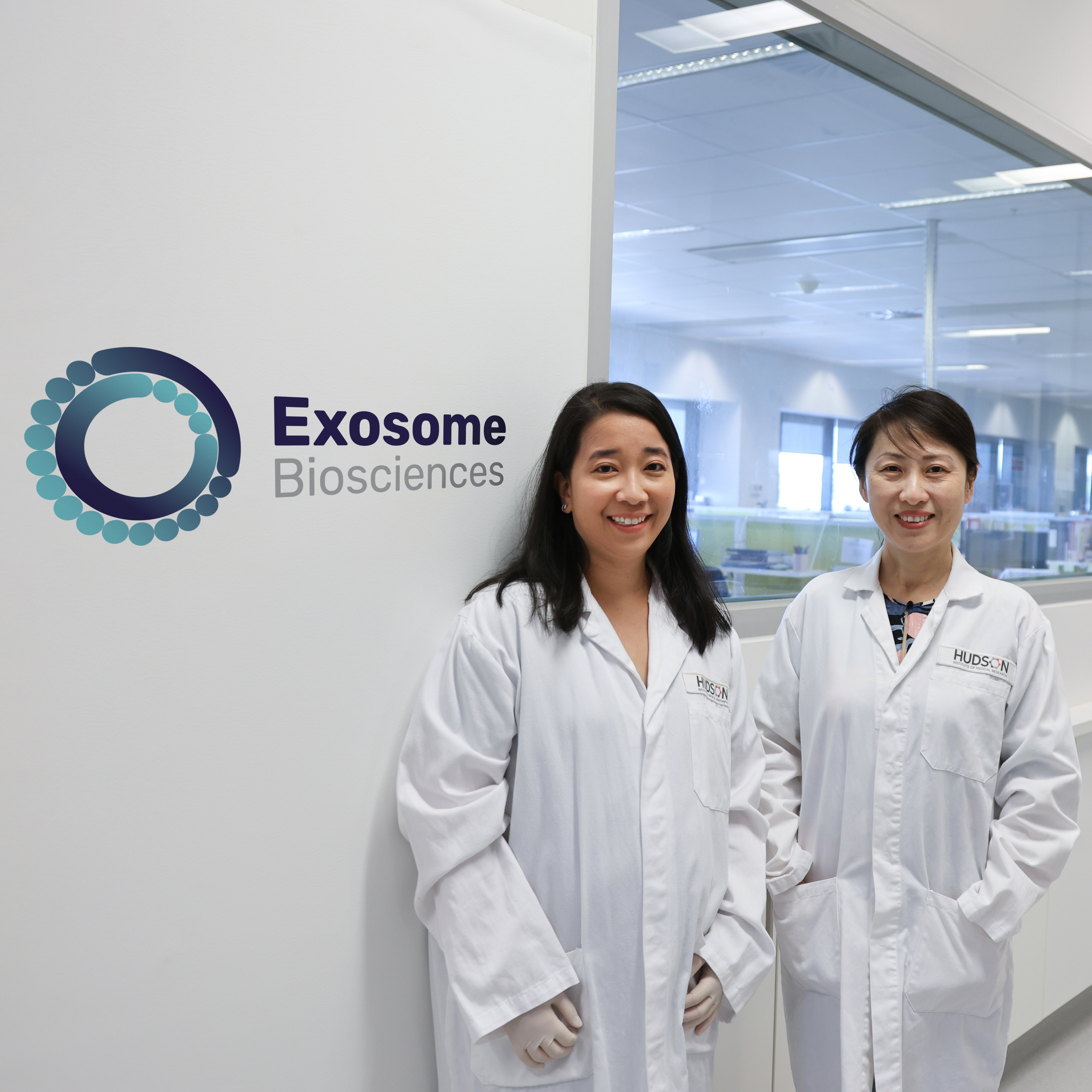
This article reports the start of a first-in-human trial testing extracellular vesicles as a new regenerative treatment for complex perianal fistulas in Crohn's disease, a hard-to-treat complication with limited options.
If EV therapy proves safe and effective, it could offer a less costly alternative to stem-cell approaches.
Who Should Pay Attention
Adults with Crohn's disease (especially those with complex perianal fistulas), IBD clinicians and surgeons, clinical researchers in regenerative medicine, and patient advocates interested in new trial opportunities.
Study Snapshot
Story typeResearch news
Evidence typePhase 1 clinical trial
Source depthFull source text
What To Know
This is early-stage clinical research focused on safety (first-in-human, small sample) for a specific Crohn's complication (complex perianal fistulas). The trial will evaluate safety first and look secondarily at fistula healing and quality-of-life measures.
EVs are described here as cell-derived particles that may carry anti-inflammatory or regenerative cargo and could avoid some manufacturing and logistical challenges of live cell therapies.
If you're considering participation or follow-up: contact the trial sites (Monash Health/Hudson Institute) or discuss with your IBD care team; this article does not provide eligibility criteria, risks, or results. The report does not give outcome data—only that recruitment has opened and the study aims are safety and exploratory efficacy.
Keep In Mind
This is a phase 1 first-in-human trial focused on safety in a small number of participants; the article summarizes preclinical promise but provides no clinical outcomes. EV therapies are investigational and not yet an approved treatment—results from this trial will determine next steps.
The article is a news report from a research/medical news source and summarizes institutional and company statements.
Source Details
Review the original publication for the complete reporting, methods, and context.
Phase 1 clinical trialArticle type assigned from Cure8 classification; confirm details in the original source.
Publicationmiragenews.com
Indexed viaBing News
Source typeResearch news
PublishedFeb 4, 2025, 10:09 PM
Content availableFull source text
This Cure8 brief is based on source text from the linked article. Cure8 is informational only and is not a substitute for professional medical advice, diagnosis, or treatment.
This article reports an investigational stem cell therapy (StemSmart MSCs) showing safety and clinical responses in a small group of patients with fistulising Crohn’s disease — a serious complication that’s often hard to...
This trial shows darvadstrocel did not outperform placebo for complex perianal Crohn’s fistulas, so it does not support changing care now. High healing rates after surgical curettage and closure suggest the surgical step...
Perianal fistulas are a serious, hard-to-treat complication of Crohn disease. Fast Track status may speed development of a new implantable stem cell therapy that aims to close fistulas and promote local healing. Ongoing...