
Johnson & Johnson Reports Three-Year Crohn's Drug Results - MyChesCo
Long-term Phase 3 extension data suggest guselkumab (Tremfya) can sustain clinical and endoscopic remission through three years for some patients with Crohn’s disease.
Complication topics
Fistula articles covering perianal disease, drainage, surgery, biologic treatment, and Crohn's disease complications. Complication context emphasizes risks, warning signs, treatment decisions, and follow-up care.
Page 1 of 2 · 83 articles
Long-term Phase 3 extension data suggest guselkumab (Tremfya) can sustain clinical and endoscopic remission through three years for some patients with Crohn’s disease.
Perianal fistulas are a challenging complication of Crohn’s disease with limited effective options; a phase 3 trial reports that guselkumab improved fistula remission rates through 48 weeks, which could offer a new...
New Phase III data on guselkumab are directly relevant because they report long-term (3-year) maintenance results for Crohn’s disease and one-year fistula outcomes for people with perianal disease — areas that affect...
Perianal fistulizing Crohn's disease is a frequent, hard-to-treat complication; molecular and multiomic advances could lead to biomarkers that help choose better-targeted therapies and improve surgical–medical decision...
Perianal fistulas are a common, debilitating complication of Crohn’s disease; longer-term data on treatments that can produce durable fistula remission are directly relevant to patients and clinicians managing this...
These Phase 3 results suggest guselkumab (TREMFYA) may provide durable clinical and endoscopic benefit through three years for adults with moderate to severe Crohn’s disease and may help with perianal fistula...
Perianal fistulas are a common and debilitating complication of Crohn’s disease that often need medical and surgical care. A Phase 3 trial reporting improved fistula remission with an IL-23–targeting therapy could offer...
Perianal Crohn’s disease causes major symptoms and affects long-term outcomes; understanding surgical options and the role of combined medical–surgical care can help patients and clinicians plan treatment. The review...
Long-term control of inflammation and healing of draining fistulas are important for people with Crohn’s disease; these FORTIFY OLE analyses suggest durable benefit with risankizumab in responders through several years...
Internal fistulae can be clinically silent yet serious in long-standing Crohn's disease. Early cross-sectional imaging detected rare gastrocolic and duodenocolic fistulae in this patient, and elective combined surgery...
Perianal fistulas cause significant morbidity and often need both medical and surgical treatments. Newer drug options and updated guideline support earlier use of advanced therapies, which may improve healing and reduce...
Perianal fistulizing Crohn's often causes significant symptoms and requires both medical and surgical approaches. Newer biologics and JAK inhibitors expand treatment options and guidelines increasingly support earlier...
Accurate, radiation-free imaging at the point of care can speed diagnosis and management of strictures, abscesses, and fistulas in Crohn’s disease. Improved ultrasound techniques may help determine who needs surgery or...
Perianal fistulas are common and burdensome in Crohn’s disease; this large multicenter Korean study quantifies high rates of complex fistulas, frequent recurrence, and suggests biologic therapy is associated with fewer...
Setons are a common surgical tool to manage draining perianal fistulas in Crohn’s disease by keeping tracts open for drainage and reducing infection. A low-cost, catheter-based seton option could be useful in settings...
This press release signals a step toward a new local, regenerative approach for treating complex perianal fistulas—a difficult Crohn’s complication with limited options. If clinical trials proceed, the therapy could add...
This report describes combined use of upadacitinib and ustekinumab to treat severe, refractory perianal Crohn’s disease in an adolescent — a scenario many patients and caregivers find especially difficult to manage.

Perianal fistulas in Crohn’s disease are often hard to treat; this review suggests stem cell therapies can produce durable closure for many patients and appear safe over 1–4 years of follow-up.
Perianal fistulas are a common, hard-to-heal complication of Crohn's disease. This review collects current options beyond infliximab and explains where evidence is stronger or still emerging, which can help patients and...
Fistula-associated adenocarcinoma is a rare but serious long-term complication of Crohn’s disease that can be missed because symptoms overlap with benign disease. Awareness can prompt timely diagnostic evaluation when...
Atypical presentations of Crohn's disease (abdominal wall abscess with enterocutaneous fistula) can delay diagnosis and treatment in children. Patients with communication difficulties may be at higher risk for missed or...
Malnutrition was common in this group and linked to lower fistula healing and a higher chance of needing proctectomy or abdominal surgery — outcomes that matter to people with perianal Crohn’s disease.
A blood biomarker that flags higher risk for complicated Crohn's could help identify people who may need closer monitoring or earlier treatment escalation before clear symptoms or endoscopic inflammation appear.
Setons are often used to control sepsis in complex anal fistula, but this study suggests outcomes are worse when Crohn's disease is present, meaning clinicians may view long-term setons as temporary measures in CD rather...
Stopping Crohn's medications can cause flares and serious complications, and restarting treatment may be slower or less effective. Adherence and financial or practical support can help prevent these harms.
If you have isolated perianal fistulizing Crohn’s disease, this large multicenter cohort shows about one-third later developed luminal Crohn’s disease over long-term follow-up, but many did not — underscoring variable...
This analysis directly addresses treatments commonly used for perianal fistulizing Crohn’s disease and compares biologic anti-TNF drugs with emerging mesenchymal stem cell therapy, information that could affect treatment...
Malnutrition is common and can worsen outcomes in IBD; this case shows use of combined enteral and parenteral nutritional support for severe malnutrition in newly diagnosed Crohn’s disease, including perioperative...
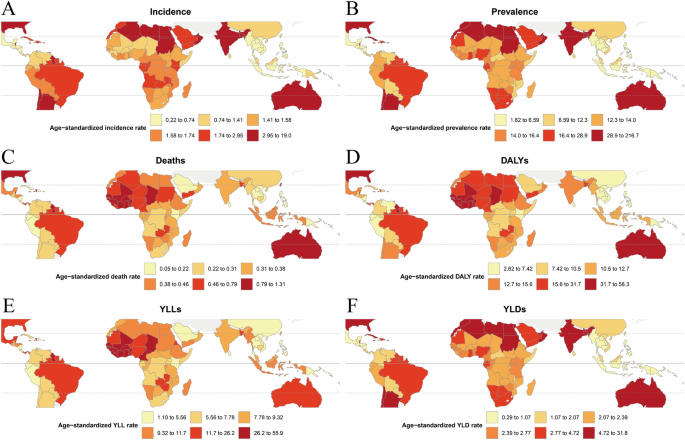
The work links climate and sociodemographic context to IBD burden in tropical regions, which can influence diagnostic recognition, resource needs, and research priorities for communities where IBD is rising.
Iliopsoas abscess is an uncommon but serious penetrating complication of Crohn’s disease that can present with non-specific symptoms and be missed. The review compiles case-level evidence about presentation, diagnosis,...
If confirmed, a simple calprotectin test on fistula scrapings could help predict which Crohn’s patients are likely to heal after primary surgical fistula closure and which may need additional therapies, potentially...
Ileal pouch disorders are common after IPAA surgery and cause symptoms many patients will experience. Early recognition and initial treatment by primary care can speed symptom relief and identify patients who need...
People with IBD have higher risk of several GI and hepatobiliary cancers; imaging is an important complement to endoscopic surveillance for detecting cancers that may be transmural or outside endoscopic reach.
Perianal fistulas are a common and often challenging complication of Crohn’s disease. This surgical series provides outcome data on draining seton treatment that may help patients and clinicians understand typical...
Fistulizing Crohn’s disease is a major complication where durable structural repair is hard to achieve. Regenerative cell-sheet approaches aim to rebuild tissue architecture rather than only suppress inflammation, which...
Perianal fistulas are a serious, common complication of Crohn's disease that are often difficult to heal. This study tests a real-world combination of surgery plus an approved IL-23 inhibitor (mirikizumab) to see if...
Comparative real-world data may help patients and clinicians weigh expected benefits and risks of risankizumab versus ustekinumab in Crohn’s disease, including effects on steroid-free remission and fistula healing.
This Taiwanese multicenter real-world study reports high 52-week clinical response and remission rates, sustained one-year drug persistence, and meaningful fistula healing with ustekinumab in patients with Crohn’s...
Population estimates help patients understand how common IBD is and show that ulcerative colitis is more common than Crohn’s in this survey. Knowing prevalence and who is more likely to be diagnosed can help people feel...
The study points to a specific immune cell type (pro-inflammatory CD4+ macrophages) and altered cellular interactions in rectal tissue that are linked to perianal fistulizing Crohn's disease, which may help explain...
Someone with Crohn’s disease and limited remaining small intestine may face high-risk surgical choices. This case report suggests a specialized oral supplement used with conservative care was associated with fistula...
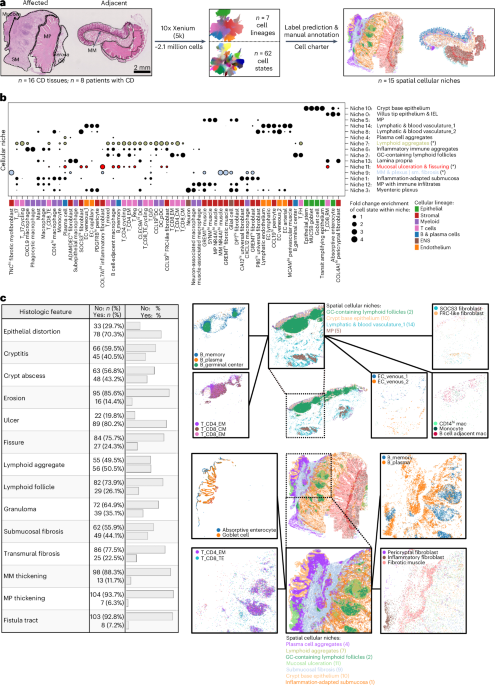
The paper maps distinct stromal cell states tied to inflamed versus fibrotic tissue niches in Crohn’s disease and shows that these states have different chromatin configurations and drug-modifiable properties — pointing...
People with an ileal pouch after UC/IBDU often struggle with fecal incontinence and reduced quality of life. This trial is testing a noninvasive device (Emsella chair) aimed at improving incontinence and patient-reported...
Pouch-related fistula is a serious late complication after IPAA. The study suggests people with UC who undergo IPAA may have higher fistula risk than patients with FAP, and that inflammatory pouch disease (like...
AI models that combine CTE/MRE imaging with clinical and molecular data could improve objective classification of small-bowel Crohn's disease and help predict which patients are likely to respond to medical therapy...
Perianal fistulas in Crohn’s disease are hard to treat and preserving continence is important. Long-term data suggesting laser ablation can achieve sustained healing in some patients are relevant for treatment decisions.
The study maps cellular and molecular programs that drive transformation of fissures into fistulas in Crohn's disease, pointing to early remodeling processes and specific molecular pathways that could be targeted to...
The study indicates that active inflammation—measured by CDAI and PDAI—drives poorer quality of life in Crohn's disease more than the mere presence of fistulas. That shifts focus toward controlling inflammation to...