Complication topics

Stricture

Stricture articles covering bowel narrowing, obstruction risk, monitoring, dilation, surgery, and Crohn's disease complications. Complication context emphasizes risks, warning signs, treatment decisions, and follow-up care.

Page 1 of 2 · 55 articles

A Multi-marker Model Based on Routine Laboratory Parameters for Predicting Intestinal Fibrosis in Crohn's Disease
British Journal of Healthcare and Medical Research

A Multi-marker Model Based on Routine Laboratory Parameters for Predicting Intestinal Fibrosis in Crohn's Disease

The study suggests commonly available lab tests might help identify intestinal fibrosis and strictures in Crohn’s disease using a five-marker blood-based model, which could offer a noninvasive screening option if...


Read Summary
Clinical characteristics of patients with overlapping eosinophilic esophagitis and inflammatory bowel disease in a national real-world cohort.
Diseases of the esophagus : official journal of the International Society for Diseases of the Esophagus

Clinical characteristics of patients with overlapping eosinophilic esophagitis and inflammatory bowel disease in a national real-world cohort.

Overlap of EoE and IBD appears uncommon but more frequent than in the general population and is linked to more allergic disease and higher steroid exposure without clearer increases in esophageal scarring. That may...

Read Summary
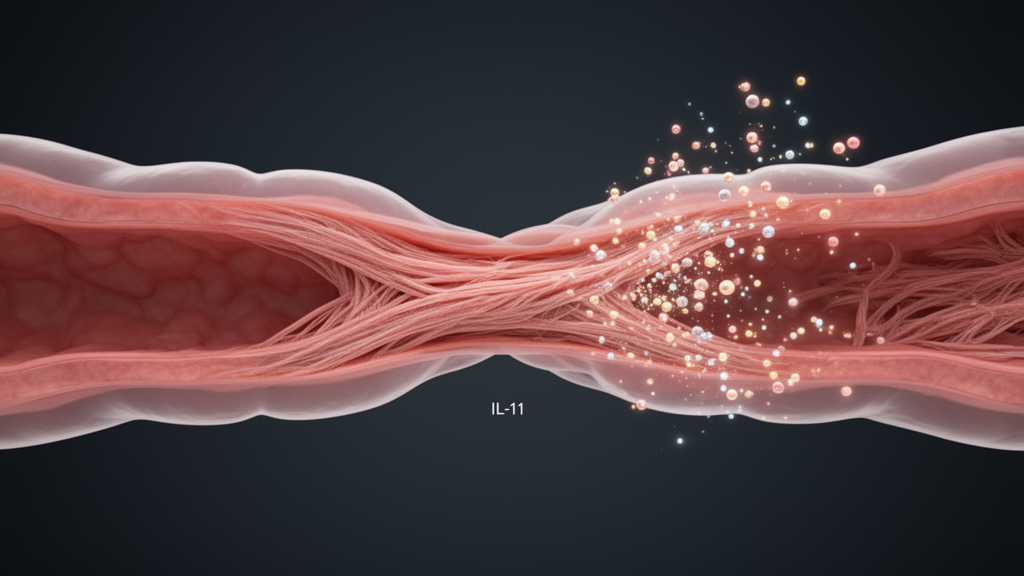
IL-11 in fibrostenotic Crohn’s disease: historical agonism, the selective-inhibition hypothesis, and evidence thresholds for translation
Frontiers in Pharmacology

IL-11 in fibrostenotic Crohn’s disease: historical agonism, the selective-inhibition hypothesis, and evidence thresholds for translation

IL-11 is implicated in fibrostenotic Crohn’s disease; determining whether it is a reversible therapeutic target could lead to treatments that prevent or reverse strictures rather than only managing inflammation or...

Read Summary
Disease characteristics, outcomes, and poor prognostic factors of perianal fistula in Korean patients with Crohn's disease: a multicenter, retrospective observational study.
Intestinal research

Disease characteristics, outcomes, and poor prognostic factors of perianal fistula in Korean patients with Crohn's disease: a multicenter, retrospective observational study.

Perianal fistulas are common and burdensome in Crohn’s disease; this large multicenter Korean study quantifies high rates of complex fistulas, frequent recurrence, and suggests biologic therapy is associated with fewer...

Read Summary
Endoscopic management of intestinal strictures in Crohn’s disease: Current status and future perspectives
World Journal of Gastrointestinal Endoscopy

Endoscopic management of intestinal strictures in Crohn’s disease: Current status and future perspectives

Strictures cause obstructive symptoms and repeat surgery in Crohn’s disease; endoscopic options can relieve obstruction and potentially avoid or postpone surgery for some patients.

Read Summary
Self-expandable metal stents versus endoscopic balloon dilatation for the treatment of strictures in Crohn's disease: a retrospective long-term follow-up of the ProtDilat study, an open label, multicenter, randomized trial.
Journal of Crohn's & colitis

Self-expandable metal stents versus endoscopic balloon dilatation for the treatment of strictures in Crohn's disease: a retrospective long-term follow-up of the ProtDilat study, an open label, multicenter, randomized trial.

Long-term results suggest endoscopic approaches—especially balloon dilatation—help many people with Crohn’s strictures avoid surgery and have fewer severe complications compared with surgical treatment.

Read Summary
Gastrointestinal complications of cocaine use: a narrative literature review.
Frontiers in gastroenterology (Lausanne, Switzerland)

Gastrointestinal complications of cocaine use: a narrative literature review.

Cocaine use can trigger severe GI problems that mimic common surgical and inflammatory conditions; recognizing the link can speed diagnosis and management. Most published evidence is low-level (case reports/series), so...

Read Summary
Baseline Magnetic Resonance Enterography Stratifies Persistence Risk of Crohn's Disease Strictures.
Clinical gastroenterology and hepatology : the official clinical practice journal of the American Gastroenterological Association

Baseline Magnetic Resonance Enterography Stratifies Persistence Risk of Crohn's Disease Strictures.

Baseline MRE features may help predict which Crohn's strictures will not improve with advanced medical therapy, informing monitoring and surgical planning. Better stratification could guide decisions about earlier...

Read Summary

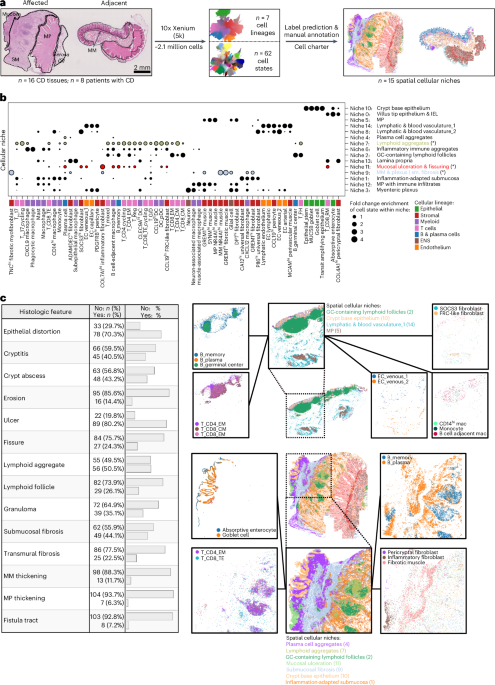
Layer-Resolved Spatial Transcriptomic Profiling Reveals Distinct Fibrotic and Muscularizing Submucosal Niches in Fibrostenotic Crohn's Disease

The study maps layer-specific gene programs in fibrostenotic Crohn's disease and pinpoints the submucosa as a hotspot for fibromuscular remodeling that underlies strictures and bowel obstruction risk.

Read Summary
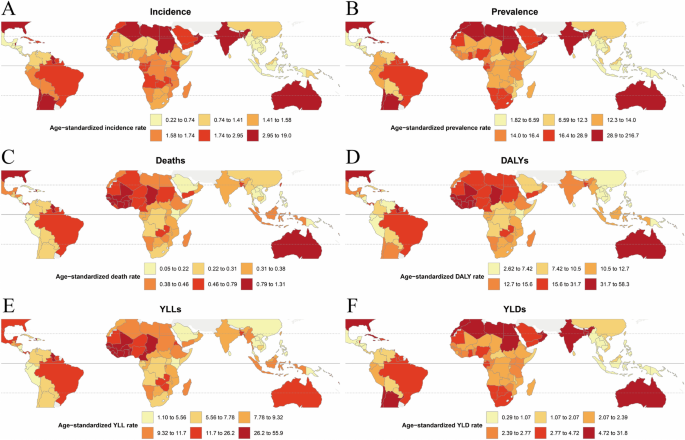
Climate classification, sociodemographic development, and the burden of inflammatory bowel disease in tropical countries
Tropical Medicine and Health

Climate classification, sociodemographic development, and the burden of inflammatory bowel disease in tropical countries

The work links climate and sociodemographic context to IBD burden in tropical regions, which can influence diagnostic recognition, resource needs, and research priorities for communities where IBD is rising.

Read Summary
Compartment-specific collagen architecture in Crohn’s disease biopsies using SHG/TPE microscopy: a pilot feasibility study
Journal of Histotechnology

Compartment-specific collagen architecture in Crohn’s disease biopsies using SHG/TPE microscopy: a pilot feasibility study

A quantitative, biopsy-based measure of collagen architecture could help study intestinal fibrosis, which underlies stricture formation in Crohn’s disease. Feasibility data support further validation work that may lead...

Read Summary
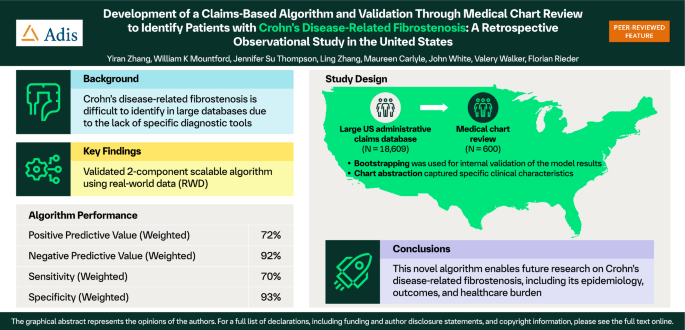
Development of a Claims-Based Algorithm and Validation Through Medical Chart Review to Identify Patients with Crohn’s Disease-Related Fibrostenosis: A Retrospective Observational Study in the United States
Advances in Therapy

Development of a Claims-Based Algorithm and Validation Through Medical Chart Review to Identify Patients with Crohn’s Disease-Related Fibrostenosis: A Retrospective Observational Study in the United States

A validated claims-based algorithm could enable larger, more efficient studies of fibrostenosis in Crohn’s disease using real-world data — helping researchers and clinicians better measure how often stricturing...

Read Summary
TL1A-DR3 Signaling in Inflammatory Bowel Disease: From Pathogenesis to Therapeutic Targeting.
The Kurume medical journal

TL1A-DR3 Signaling in Inflammatory Bowel Disease: From Pathogenesis to Therapeutic Targeting.

TL1A-DR3 is implicated in both inflammation and fibrosis in IBD, so targeting it could address active disease and reduce fibrotic complications that lead to strictures. New TL1A-blocking antibodies are already in...

Read Summary
Epigenetic modulation of stromal cell states underpins pathological tissue niches in Crohn's disease
nature.com

Epigenetic modulation of stromal cell states underpins pathological tissue niches in Crohn's disease

The paper maps distinct stromal cell states tied to inflamed versus fibrotic tissue niches in Crohn’s disease and shows that these states have different chromatin configurations and drug-modifiable properties — pointing...

Read Summary
Nanoengineered RNA delivery systems for gene therapy in intestinal fibrosis.
Journal of controlled release : official journal of the Controlled Release Society

Nanoengineered RNA delivery systems for gene therapy in intestinal fibrosis.

Intestinal fibrosis causes strictures and surgery in many people with Crohn's disease; new RNA-based antifibrotic strategies delivered by nanocarriers could offer non-surgical treatment options in the future if they can...

Read Summary
γδ T cells exacerbate intestinal fibrosis in mice with experimental colitis via activation of the CD73-adenosine receptor-cyclic AMP signaling pathway
World Journal of Gastroenterology

γδ T cells exacerbate intestinal fibrosis in mice with experimental colitis via activation of the CD73-adenosine receptor-cyclic AMP signaling pathway

Fibrosis causes strictures and surgery in many people with Crohn’s disease; a new immune pathway linked to fibrosis could point to future treatments. This study shows that γδ T cells and CD73-mediated adenosine signaling...

Read Summary
Cryptogenic Multifocal Ulcerating Stenosing Enteritis (CMUSE) in a Patient with Down Syndrome: A Case Report
Reports — Medical Cases Images and Videos

Cryptogenic Multifocal Ulcerating Stenosing Enteritis (CMUSE) in a Patient with Down Syndrome: A Case Report

CMUSE can closely mimic Crohn's disease and may require surgery for diagnosis and symptom relief. Recognizing it can change diagnostic pathways and multidisciplinary management for people with recurrent small-bowel...

Read Summary
A bile acid-GPBAR1 network supports anti-inflammatory and anti-fibrotic benefits of probiotics in colitis.
Gut microbes

A bile acid-GPBAR1 network supports anti-inflammatory and anti-fibrotic benefits of probiotics in colitis.

Fibrosis and stricturing are key problems in Crohn’s disease with limited therapies; this study identifies a microbiota–bile acid–GPBAR1 pathway by which a specific probiotic mix reduced inflammation and fibrosis in...

Read Summary
Balloon-assisted endoscopic stricturotomy for small bowel fibrostenotic strictures: A comparison of Crohn’s disease-related and non-Crohn’s disease strictures
World Journal of Gastroenterology

Balloon-assisted endoscopic stricturotomy for small bowel fibrostenotic strictures: A comparison of Crohn’s disease-related and non-Crohn’s disease strictures

Patients with small-bowel strictures face repeat procedures or surgery; this study suggests endoscopic stricturotomy outcomes differ by whether the stricture is from Crohn’s disease and that a simple blood marker (NLR)...

Read Summary
Modulating Microbial Choline Degradation to Prevent and Treat Intestinal Fibrosis in Inflammatory Bowel Diseases
NIH RePORTER

Modulating Microbial Choline Degradation to Prevent and Treat Intestinal Fibrosis in Inflammatory Bowel Diseases

Intestinal fibrosis and strictures remain a major cause of surgery and obstruction in Crohn’s disease, and current anti-inflammatory drugs don’t reliably prevent fibrosis. If microbial choline degradation promotes...

Read Summary
Intestinal Fibrosis in IBD: Rethinking the Inflammatory Paradigm and Emerging Therapeutic Opportunities.
Digestive diseases and sciences

Intestinal Fibrosis in IBD: Rethinking the Inflammatory Paradigm and Emerging Therapeutic Opportunities.

Intestinal fibrosis causes strictures that can lead to obstruction and often require surgery; current drugs mainly reduce inflammation and do not reliably prevent or reverse fibrosis. Advances in understanding fibrosis...

Read Summary
Palisade Bio to Present Data on PDE4 Inhibitor PALI-2108 for Fibrostenotic Crohn's Disease ...
geneonline.com

Palisade Bio to Present Data on PDE4 Inhibitor PALI-2108 for Fibrostenotic Crohn's Disease ...

Fibrostenotic Crohn’s disease (intestinal strictures from scar tissue) has few non-surgical treatment options. An investigational drug aimed at fibrosis could eventually offer a medical alternative to surgery if research...

Read Summary
Late-Breaking Interim STENOVA Data Presented at Digestive Disease Week® 2025 Demonstrate Potential of AGMB-129 in Fibrostenosing Crohn's Disease
tmcnet.com

Late-Breaking Interim STENOVA Data Presented at Digestive Disease Week® 2025 Demonstrate Potential of AGMB-129 in Fibrostenosing Crohn's Disease

Cure8 found this source from tmcnet.com, but the page could not be read reliably yet. It is tagged for Crohn's disease, Inflammatory bowel disease, and Stricture. Open the original article for the full details.

Read Summary