Cocaine use can trigger severe GI problems that mimic common surgical and inflammatory conditions; recognizing the link can speed diagnosis and management. Most published evidence is low-level (case reports/series), so the true frequency and risk factors are not well quantified.
Who Should Pay Attention
Clinicians evaluating acute abdominal pain or ischemic GI presentations, researchers studying substance-related organ injury, and adult patients (or caregivers) with substance-use exposure and GI symptoms.
Study Snapshot
Story typeResearch paper
Evidence typeResearch paper
Source depthJournal abstract
What To Know
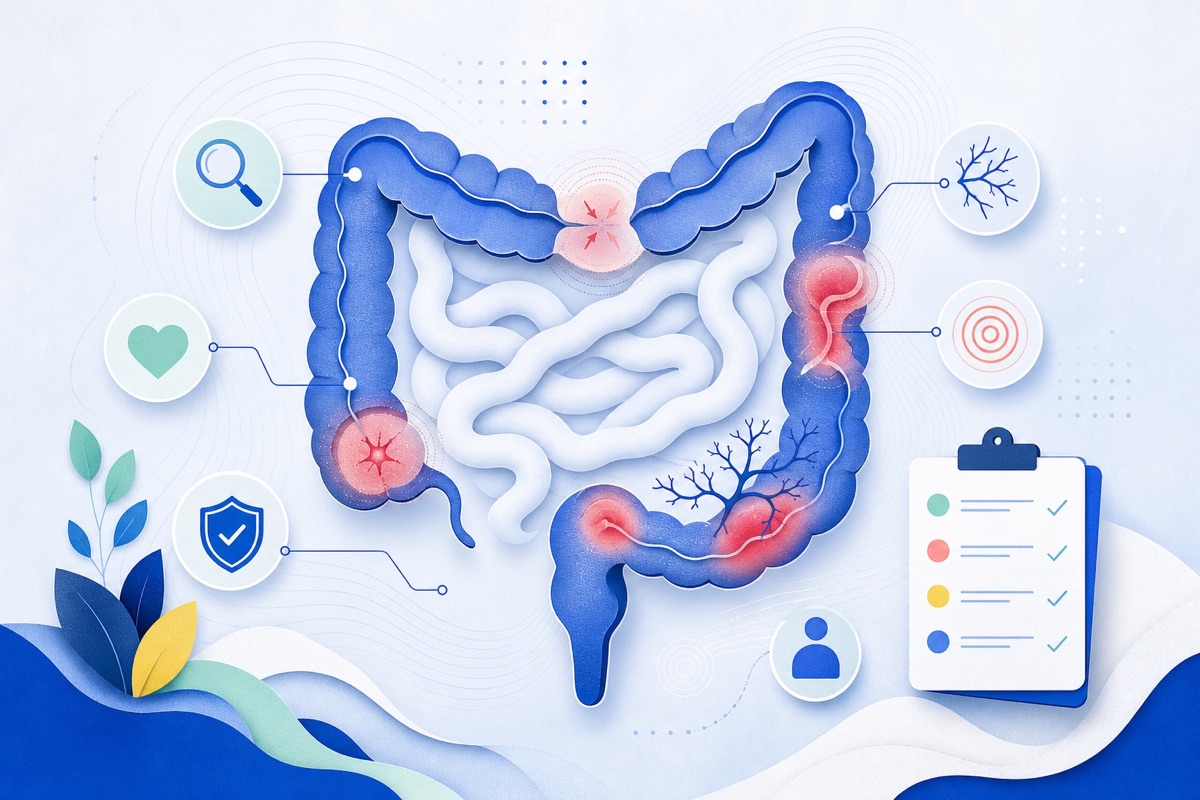
The review links cocaine’s sympathomimetic and pro-thrombotic effects to GI injury through vasospasm, endothelial dysfunction, thrombosis, ischemia, and direct mucosal toxicity.
Reported complications include mesenteric and colonic ischemia, ischemic and hemorrhagic colitis, peptic ulceration with perforation, enteritis/strictures, splenic infarction or rupture, and hepatopancreatic injury.
The authors provide a diagnostic differential and algorithm and call for registry-based or multicenter comparative studies because current evidence is limited.
Clinical takeaway: Clinicians should consider recent cocaine use as a possible contributor in younger patients presenting with unexplained abdominal pain, ischemic features, or gastrointestinal bleeding, and account for polysubstance use (alcohol, tobacco) and vascular risk factors when assessing presentations.
Keep In Mind
This article is a narrative review that synthesizes case reports, series, and a small number of comparative studies through mid-2026; its conclusions emphasize limited-quality evidence and the need for better registry or multicenter data. The review notes common confounding by polysubstance use and pre-existing vascular disease.
Source Details
Review the original publication for the complete reporting, methods, and context.
This Cure8 brief is based on source text from the linked article. Cure8 is informational only and is not a substitute for professional medical advice, diagnosis, or treatment.
The article outlines complications that can come from Crohn’s disease, many of which may need tests, medication, or surgery. Knowing these helps you recognize warning signs and talk with your care team about prevention...
Stopping Crohn's medications can cause flares and serious complications, and restarting treatment may be slower or less effective. Adherence and financial or practical support can help prevent these harms.
The article outlines complications of untreated Crohn’s that can become life threatening (sepsis, perforation, toxic megacolon, severe malnutrition, colorectal cancer). Knowing these risks helps people with Crohn’s...