Symptoms and disease activity

Fatigue

Fatigue articles covering tiredness, anemia, inflammation, mental health, quality of life, and daily functioning in IBD. Symptom context emphasizes flares, remission, daily disease activity, and patient-relevant warning signs.

Page 1 of 2 · 60 articles

Updated treatment targets in inflammatory bowel disease (STRIDE-III): an initiative of the International Organization for the Study of IBD.
The lancet. Gastroenterology & hepatology

Updated treatment targets in inflammatory bowel disease (STRIDE-III): an initiative of the International Organization for the Study of IBD.

Updated treat-to-target recommendations affect how inflammation and symptoms are monitored and when treatments should be changed. Clear targets and timing help patients and clinicians make consistent, evidence-informed...


Read Summary
Fatigue across physical and mental health conditions: results from a multicenter study at the German Center for Mental Health.
Journal of psychosomatic research

Fatigue across physical and mental health conditions: results from a multicenter study at the German Center for Mental Health.

The study directly compares fatigue levels across several chronic conditions using the same validated tools, offering context for how fatigue in IBD compares to other illnesses. That context can help patients and...

Read Summary
Long-term Benefits of Mirikizumab on Patient-Reported Outcomes in Individuals with Crohn's Disease: 2-Year Results from the VIVID-2 Extension Study.
Clinical and translational gastroenterology

Long-term Benefits of Mirikizumab on Patient-Reported Outcomes in Individuals with Crohn's Disease: 2-Year Results from the VIVID-2 Extension Study.

Patients and clinicians considering long-term use of mirikizumab for Crohn's disease may find evidence here that quality of life and common symptoms (fatigue, abdominal pain, stool frequency) can remain improved out to...

Read Summary
Health-related quality of life after diagnosis of ulcerative colitis and Crohn’s disease: 3-year trajectories and factors associated with clinically meaningful improvement (the IBSEN III cohort)
Inflammatory Bowel Diseases

Health-related quality of life after diagnosis of ulcerative colitis and Crohn’s disease: 3-year trajectories and factors associated with clinically meaningful improvement (the IBSEN III cohort)

This study follows people from diagnosis and shows that about half achieve clinically meaningful improvements in quality of life by 3 years, but many remain below general population norms.

Read Summary
Health Related Quality of Life in Patients with Inflammatory Bowel Disease in Department of Gastroenterology of Dhaka Medical College Hospital: An Observational Study.
Mymensingh medical journal : MMJ

Health Related Quality of Life in Patients with Inflammatory Bowel Disease in Department of Gastroenterology of Dhaka Medical College Hospital: An Observational Study.

Quality of life is often substantially affected in IBD; this study identifies active disease, greater severity, prior surgery, and stricturing Crohn's disease as factors linked to lower HRQoL, highlighting areas...

Read Summary
Beyond inflammation control: Rethinking fatigue as a multidimensional target in Crohn’s disease management
World Journal of Gastroenterology

Beyond inflammation control: Rethinking fatigue as a multidimensional target in Crohn’s disease management

Fatigue markedly affects quality of life for people with Crohn’s and often remains after inflammation is controlled. Recognizing multiple drivers — psychological distress and immune/hematologic signals — could change how...

Read Summary
High Prevalence of Fatigue is Linked to Depression in Inflammatory Bowel Disease.
Gastroenterology nursing : the official journal of the Society of Gastroenterology Nurses and Associates

High Prevalence of Fatigue is Linked to Depression in Inflammatory Bowel Disease.

Fatigue is extremely common in IBD and is closely linked to depression—recognizing and addressing mental-health issues may be important for patients who report significant fatigue.

Read Summary
Low-Dose Naltrexone in Crohn's Disease: A Prematurely Terminated Randomized Trial Showing Reduced Fatigue Without Clinical or Endoscopic Benefit.
Digestive diseases and sciences

Low-Dose Naltrexone in Crohn's Disease: A Prematurely Terminated Randomized Trial Showing Reduced Fatigue Without Clinical or Endoscopic Benefit.

A controlled trial found low-dose naltrexone did not induce endoscopic or clinical remission in Crohn's disease, but it showed a possible benefit for reducing fatigue. Patients seeking symptom relief without...

Read Summary
High prevalence of fatigue in patients with inflammatory bowel disease: association with physical activity intensity and sedentary behavior
Frontiers in Public Health

High prevalence of fatigue in patients with inflammatory bowel disease: association with physical activity intensity and sedentary behavior

Fatigue is very common in people with IBD—even when the disease is in remission—and is linked with lower physical activity, more sitting time, and with anxiety/depression. Understanding these links may help patients and...

Read Summary
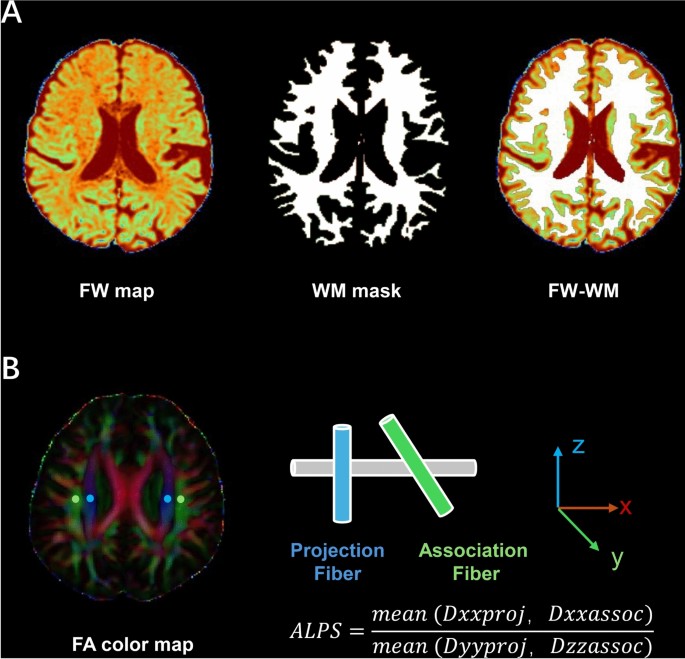
Multimodal MRI reveals glymphatic system activity associated with systemic inflammation and neuropsychiatric symptoms in Crohn’s disease
Journal of Gastroenterology

Multimodal MRI reveals glymphatic system activity associated with systemic inflammation and neuropsychiatric symptoms in Crohn’s disease

This study suggests brain glymphatic function — a fluid-clearance system — may be altered in people with Crohn’s disease and could relate to inflammation and common neuropsychiatric symptoms like fatigue, anxiety,...

Read Summary
The impact of ustekinumab and tumor necrosis factor antagonists on extraintestinal manifestations of Crohn's disease: a systematic review and meta-analysis.
Frontiers in pharmacology

The impact of ustekinumab and tumor necrosis factor antagonists on extraintestinal manifestations of Crohn's disease: a systematic review and meta-analysis.

Extraintestinal symptoms such as fatigue and joint pain significantly affect quality of life in Crohn's disease. This review suggests ustekinumab may help reduce fatigue and arthritis/arthralgia more than TNF antagonists...

Read Summary
Fatigue in inflammatory bowel disease beyond intestinal inflammation: A cross-sectional study.
Journal of psychosomatic research

Fatigue in inflammatory bowel disease beyond intestinal inflammation: A cross-sectional study.

Fatigue is common and disabling for people with IBD; this study shows that factors beyond intestinal inflammation—especially central sensitization and psychological symptoms—explain much of fatigue. That means treating...

Read Summary
Living well with Crohn’s & Colitis fatigue, pain and urgency/faecal incontinence: the IBD-BOOST research programme including an RCT
Europe PMC

Living well with Crohn’s & Colitis fatigue, pain and urgency/faecal incontinence: the IBD-BOOST research programme including an RCT

Many people with IBD experience persistent fatigue, pain and faecal incontinence even when inflammation is controlled; this programme tested a supported online self-management approach to help those symptoms and assessed...

Read Summary
Psychosocial Experience, Impacts and Management of Fatigue in Young People With Inflammatory Bowel Disease—A Systematic Review
JCC Plus

Psychosocial Experience, Impacts and Management of Fatigue in Young People With Inflammatory Bowel Disease—A Systematic Review

Fatigue is a common, impactful symptom in pediatric and young-adult IBD but is poorly defined and measured, limiting the ability to design age-appropriate supports. This review highlights gaps that affect patients' daily...

Read Summary
Data-driven subphenotyping uncovers ulcerative colitis subtype with high risk for relapse in Japan: a prospective multicenter cohort study
The Lancet Regional Health - Western Pacific

Data-driven subphenotyping uncovers ulcerative colitis subtype with high risk for relapse in Japan: a prospective multicenter cohort study

The study suggests quality-of-life and patient-reported measures can reveal a subgroup of UC patients in clinical remission who nevertheless have higher relapse risk, which could help personalize monitoring and care.

Read Summary
Systemic antibody responses against bacterial and viral antigens associate with fatigue in patients with inflammatory bowel disease.
iScience

Systemic antibody responses against bacterial and viral antigens associate with fatigue in patients with inflammatory bowel disease.

Fatigue is a common, disabling symptom in people with IBD with unclear causes. Finding reproducible immune or infectious signatures related to fatigue could point toward new research directions and, eventually, markers...

Read Summary
Assessment of kinesiophobia in ulcerative colitis: a case-control study highlighting functional and psychological implications.
Revista da Associacao Medica Brasileira (1992)

Assessment of kinesiophobia in ulcerative colitis: a case-control study highlighting functional and psychological implications.

Fear of movement was more common and more severe in people with ulcerative colitis in this study. Addressing kinesiophobia could help increase physical activity and improve function and quality of life for people with...

Read Summary
Risk factors and fatigue in difficult-to-treat Crohn’s disease: A cross-sectional study of a Chinese cohort
World Journal of Gastroenterology

Risk factors and fatigue in difficult-to-treat Crohn’s disease: A cross-sectional study of a Chinese cohort

Identifies features associated with the new international definition of difficult‑to‑treat Crohn’s disease and links DTT status to greater mental fatigue. Biomarker differences (IL‑5, IL‑10) may point to distinct immune...

Read Summary