
medicalnewstoday.com
Cure8 news brief
The link between Crohn’s and depression and how to cope
Mental health and quality of life
Fatigue
Depression
Anxiety
Weight Loss
Patient Education
Adult patients
Clinicians
Cure8 news brief
Depression is more common in people with Crohn’s and can worsen disease outcomes and quality of life. Recognizing and treating depression alongside Crohn’s may improve symptom control, reduce hospitalizations, and lower overall care costs.
Adults living with Crohn’s or other IBD, caregivers and family, primary GI clinicians, and mental health professionals working with people with chronic GI illness.
The article explains that depression and Crohn’s often coexist and can worsen each other. It highlights that inflammation may link the two and that depression is associated with higher hospitalization and disease severity in some studies. It lists common depressive symptoms and points out overlap with Crohn’s symptoms, which can complicate diagnosis.
The article describes standard depression treatments used alongside Crohn’s care, including antidepressant medications and cognitive behavioral therapy, and suggests that treating depression can improve quality of life and possibly reduce disease activity and healthcare costs.
Practical takeaway: people with Crohn’s should be monitored for depressive symptoms, and clinicians are encouraged to screen regularly and refer for mental health treatment when appropriate.
The article is a patient-oriented review summarizing observational studies and expert recommendations; it does not present new trial results. Some cited studies are observational, so they show associations rather than proof that one condition causes the other. Screening and individualized treatment decisions should be made with clinicians.
Review the original publication for the complete reporting, methods, and context.
This Cure8 brief is based on source text from the linked article. Cure8 is informational only and is not a substitute for professional medical advice, diagnosis, or treatment.
People with Crohn’s and other IBDs have higher rates of depression and suicidal thoughts; recognizing risk factors and warning signs can help you seek timely support. The article gives practical steps you can take with...
Stigma is common in people with IBD and can worsen isolation, anxiety, and quality of life. Practical coping strategies and support resources can help reduce emotional burden and improve daily functioning.
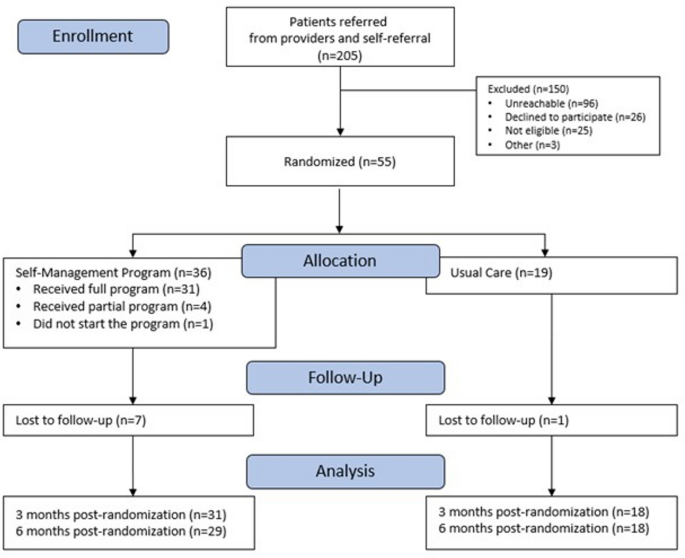
Self‑management programs delivered by nurses may help people with IBD improve daily functioning, confidence in managing their condition, and quality of life even when inflammation markers don’t change. That matters...