Mental health and quality-of-life topics

Depression

Depression articles covering mental health, quality of life, coping, support, and daily functioning for people affected by IBD. Quality-of-life context emphasizes daily functioning, mental health, fatigue, and support.

Page 1 of 2 · 55 articles

Knowledge, Attitude, and Practice in Inflammatory Bowel Disease: Associated Factors and the Mediating Role of Attitude.
Patient preference and adherence

Knowledge, Attitude, and Practice in Inflammatory Bowel Disease: Associated Factors and the Mediating Role of Attitude.

Self-management is central to long-term IBD control. The study shows many patients have limited disease knowledge and less favorable attitudes, which could affect adherence, lifestyle choices, and follow-up.

Read Summary
Gastrodin alleviates acute colitis with comorbid anxiety- and depression-like behaviours rather than cognitive dysfunction by modulating gut microbiota and suppressing inflammation.
Naunyn-Schmiedeberg's archives of pharmacology

Gastrodin alleviates acute colitis with comorbid anxiety- and depression-like behaviours rather than cognitive dysfunction by modulating gut microbiota and suppressing inflammation.

An experimental mouse study suggests gastrodin may reduce colitis severity and associated anxiety/depression-like behaviours while changing gut microbiota, metabolites, and intestinal inflammation — an early preclinical...

Read Summary
Psychological Functioning and Parent-Child Mental Health Interrelations in Pediatric Gastrointestinal Autoimmune Disorders.
Clinical child psychology and psychiatry

Psychological Functioning and Parent-Child Mental Health Interrelations in Pediatric Gastrointestinal Autoimmune Disorders.

Emotional functioning and parent-child mental health are linked with anxiety, depression, and quality of life in children with IBD and other GI autoimmune disorders. Identifying these issues may help families get...

Read Summary
Engineered E. coli Nissle 1917 alleviates colitis-associated depression via gut-brain axis restoration.
Science bulletin

Engineered E. coli Nissle 1917 alleviates colitis-associated depression via gut-brain axis restoration.

IBD patients often have depression and anxiety that current anti-TNF biologics do not adequately treat. An engineered probiotic that both neutralizes local TNFα and promotes GABA-producing microbes could address...

Read Summary
Peripartum mental illness in serial pregnancies in mothers with multiple sclerosis and other chronic diseases.
Multiple sclerosis (Houndmills, Basingstoke, England)

Peripartum mental illness in serial pregnancies in mothers with multiple sclerosis and other chronic diseases.

Mothers with chronic diseases such as MS and IBD appear to have higher rates of peripartum mental illness requiring care across serial pregnancies, so awareness and monitoring during and between pregnancies may be...

Read Summary
Burden of Mental Disorders and Related Factors in Pediatric Patients with Ulcerative Colitis in Korea
Journal of Pharmacoepidemiology and Risk Management

Burden of Mental Disorders and Related Factors in Pediatric Patients with Ulcerative Colitis in Korea

This paper suggests children and teens with ulcerative colitis have higher rates of diagnosed mental disorders and antidepressant use compared with peers, indicating mental-health needs are an important part of pediatric...

Read Summary
Influencing factors of health-related productivity loss among patients with inflammatory bowel disease in paid employment based on the theory of social ecosystem: a mixed-methods study.
Minerva gastroenterology

Influencing factors of health-related productivity loss among patients with inflammatory bowel disease in paid employment based on the theory of social ecosystem: a mixed-methods study.

Work-related productivity loss was common in this study and linked to both clinical (disease activity, strictures, fatigue) and psychosocial factors (anxiety, depression, self-efficacy, social support).

Read Summary
Beyond inflammation control: Rethinking fatigue as a multidimensional target in Crohn’s disease management
World Journal of Gastroenterology

Beyond inflammation control: Rethinking fatigue as a multidimensional target in Crohn’s disease management

Fatigue markedly affects quality of life for people with Crohn’s and often remains after inflammation is controlled. Recognizing multiple drivers — psychological distress and immune/hematologic signals — could change how...

Read Summary
Preexisting depression and early outcomes in inflammatory bowel disease: a propensity score-matched cohort study.
Proceedings (Baylor University. Medical Center)

Preexisting depression and early outcomes in inflammatory bowel disease: a propensity score-matched cohort study.

Depression before an IBD diagnosis was linked to more early treatment escalation and acute-care use after diagnosis. Recognizing preexisting depression could help clinicians identify patients who may benefit from closer...

Read Summary
High Prevalence of Fatigue is Linked to Depression in Inflammatory Bowel Disease.
Gastroenterology nursing : the official journal of the Society of Gastroenterology Nurses and Associates

High Prevalence of Fatigue is Linked to Depression in Inflammatory Bowel Disease.

Fatigue is extremely common in IBD and is closely linked to depression—recognizing and addressing mental-health issues may be important for patients who report significant fatigue.

Read Summary
Psychological Pathways From Disease Activity to Quality of Life in Ulcerative Colitis and Crohn's Disease: A Cross‐Sectional Serial Mediation Study
Journal of Clinical Nursing

Psychological Pathways From Disease Activity to Quality of Life in Ulcerative Colitis and Crohn's Disease: A Cross‐Sectional Serial Mediation Study

If disease activity hurts quality of life partly through low self-efficacy and (for UC) psychological distress, then boosting self-management confidence and identifying anxiety/depression could help improve...

Read Summary
Leveraging electronic health records for subtype-dependent directionality in depression and gastrointestinal disease: a retrospective cohort study.
Journal of psychosomatic research

Leveraging electronic health records for subtype-dependent directionality in depression and gastrointestinal disease: a retrospective cohort study.

Depression and GI diseases often co-occur; knowing which tends to appear first — and that this varies by subtype — can help clinicians prioritize screening and integrated care.

Read Summary
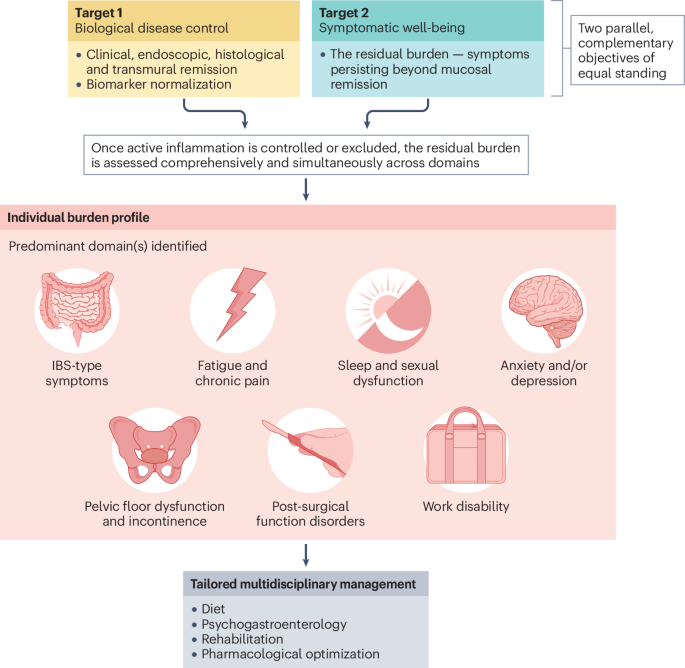
Beyond inflammation: the residual burden as the next target in inflammatory bowel disease
Nature Reviews Gastroenterology & Hepatology

Beyond inflammation: the residual burden as the next target in inflammatory bowel disease

Many people with IBD remain symptomatic even when tests show little or no inflammation; recognising these persistent symptoms as a separate treatment target could improve quality of life. This reframes care to address...

Read Summary
Bridging the gut and mind: a narrative review of depression in Crohn's disease and emerging gut-brain axis therapies.
Frontiers in neuroscience

Bridging the gut and mind: a narrative review of depression in Crohn's disease and emerging gut-brain axis therapies.

Depression is common in Crohn’s disease and appears linked to immune and microbial signals from the gut. Understanding gut–brain mechanisms could improve how mood symptoms are detected and treated in people with IBD.

Read Summary
Longitudinal effects of a nurse-led self-management intervention in inflammatory bowel disease.
Minerva gastroenterology

Longitudinal effects of a nurse-led self-management intervention in inflammatory bowel disease.

Self-management and nursing-led psychoeducation may improve quality of life and reduce depressive symptoms for people with IBD. Family support appears to influence who benefits most, which could help tailor care.

Read Summary
High prevalence of fatigue in patients with inflammatory bowel disease: association with physical activity intensity and sedentary behavior
Frontiers in Public Health

High prevalence of fatigue in patients with inflammatory bowel disease: association with physical activity intensity and sedentary behavior

Fatigue is very common in people with IBD—even when the disease is in remission—and is linked with lower physical activity, more sitting time, and with anxiety/depression. Understanding these links may help patients and...

Read Summary
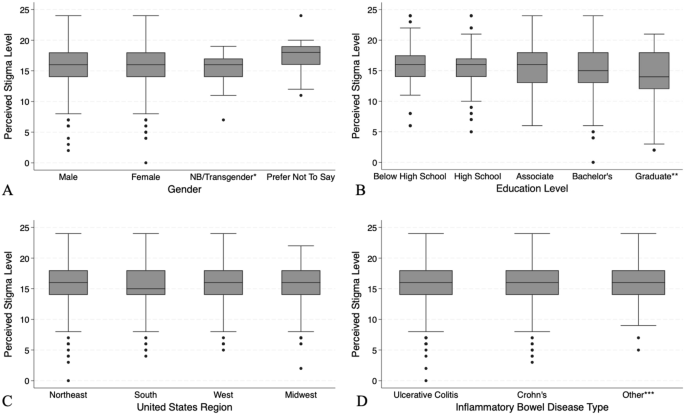
Understanding the Impact of Perceived Stigma on Healthcare Perception and Medication Utilization Among Black Individuals with Inflammatory Bowel Diseases
Digestive Diseases and Sciences

Understanding the Impact of Perceived Stigma on Healthcare Perception and Medication Utilization Among Black Individuals with Inflammatory Bowel Diseases

Perceived stigma may affect how Black people with IBD view their care and whether they stick with medications, which can influence disease management and outcomes. Understanding these links can point to targets for...

Read Summary
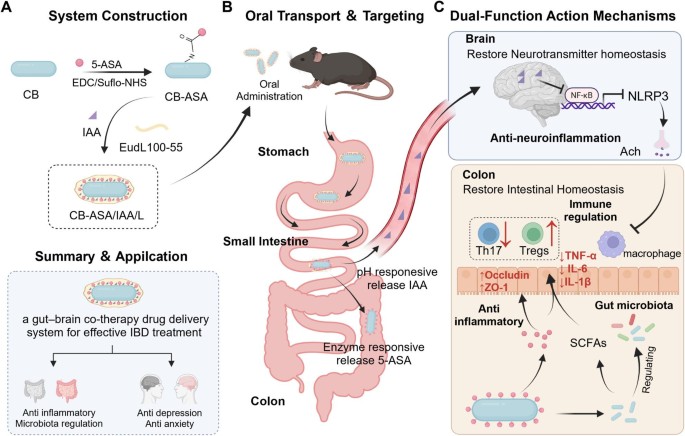
Probiotic-based sequential delivery system for gut-brain co-therapy against inflammatory bowel disease-associated anxiety/depression
Journal of Nanobiotechnology

Probiotic-based sequential delivery system for gut-brain co-therapy against inflammatory bowel disease-associated anxiety/depression

The study presents a novel probiotic-based delivery system that targets both intestinal inflammation and anxiety/depression through the gut–brain axis, a potentially relevant concept for people with IBD who commonly...

Read Summary
Association between Ulcerative Colitis, mental health, and Quality of Life in a Pakistani cohort: A cross-sectional analysis
PLOS One

Association between Ulcerative Colitis, mental health, and Quality of Life in a Pakistani cohort: A cross-sectional analysis

The study links worse UC activity with higher rates of anxiety and depression and with poorer quality of life among patients in Pakistan, suggesting mental-health screening could be relevant to overall disease...

Read Summary
A Novel Remote Patient and Medication Monitoring Solution to Improve Adherence and PerSiStence With IBD Therapy
ClinicalTrials.gov

A Novel Remote Patient and Medication Monitoring Solution to Improve Adherence and PerSiStence With IBD Therapy

The trial could show whether a smart-label app plus clinician alerts improves medication adherence and downstream clinical outcomes for people with Crohn's disease or ulcerative colitis starting oral or subcutaneous...

Read Summary
Efficacy of psychotherapies in individuals with inflammatory bowel disease: A systematic review and meta-analysis
World Journal of Psychiatry

Efficacy of psychotherapies in individuals with inflammatory bowel disease: A systematic review and meta-analysis

The review shows psychotherapies can improve quality of life and reduce anxiety and depression in people with IBD, outcomes that matter for daily functioning even when intestinal symptoms may not change.

Read Summary
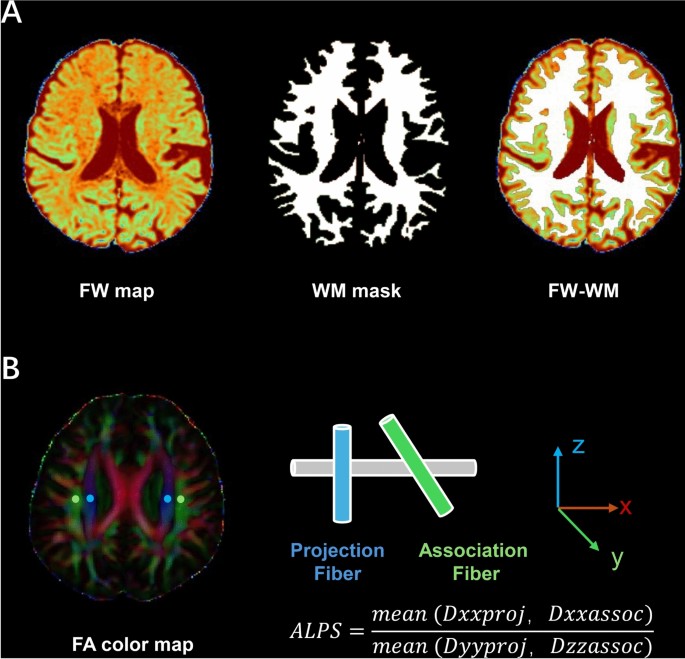
Multimodal MRI reveals glymphatic system activity associated with systemic inflammation and neuropsychiatric symptoms in Crohn’s disease
Journal of Gastroenterology

Multimodal MRI reveals glymphatic system activity associated with systemic inflammation and neuropsychiatric symptoms in Crohn’s disease

This study suggests brain glymphatic function — a fluid-clearance system — may be altered in people with Crohn’s disease and could relate to inflammation and common neuropsychiatric symptoms like fatigue, anxiety,...

Read Summary
Short-term psychiatric outcomes after ostomy vs nonostomy surgery in biologic-treated IBD patients.
Inflammatory bowel diseases

Short-term psychiatric outcomes after ostomy vs nonostomy surgery in biologic-treated IBD patients.

Short-term mental health problems (depression, anxiety, adjustment disorders) appear more common after ostomy creation than after nonostomy IBD surgery among biologic-treated adults. Awareness may help patients and...

Read Summary
Prevalence of Depressive Disorders in Patients With Inflammatory Bowel Disease: A Systematic Review and Meta‐Analysis of Studies With Diagnoses Verified Using Structured Interviews
JCC Plus

Prevalence of Depressive Disorders in Patients With Inflammatory Bowel Disease: A Systematic Review and Meta‐Analysis of Studies With Diagnoses Verified Using Structured Interviews

Depressive disorders—diagnosed using structured clinical interviews—appear to be relatively common in people with IBD, which has implications for screening and referral to mental health care within IBD clinics.

Read Summary
Research hotspots, context, and future directions of ulcerative colitis comorbid with depression from 2006 to 2025: a bibliometric and visualization analysis
Frontiers in Medicine

Research hotspots, context, and future directions of ulcerative colitis comorbid with depression from 2006 to 2025: a bibliometric and visualization analysis

Depression is common in people with ulcerative colitis and affects quality of life and disease outcomes. Knowing research trends helps patients and clinicians see where evidence and care approaches are focused,...

Read Summary
Erythritol Exacerbates DSS-Induced Colitis and Influences Behavioral Responses in Mice Through Gut Microbiota and Metabolic Alterations
Microorganisms

Erythritol Exacerbates DSS-Induced Colitis and Influences Behavioral Responses in Mice Through Gut Microbiota and Metabolic Alterations

This study suggests erythritol — a common non-nutritive sweetener — may worsen experimental colitis and depression-like behavior in mice via microbiome and metabolic changes, raising questions about how ultra-processed...

Read Summary
Comorbidity Between Mood Disorders and Chronic Somatic Diseases, With a Focus on Cardiometabolic Disease, and Its Mechanistic Crosstalk.
Depression and anxiety

Comorbidity Between Mood Disorders and Chronic Somatic Diseases, With a Focus on Cardiometabolic Disease, and Its Mechanistic Crosstalk.

Mood disorders commonly co-occur with chronic somatic diseases, including IBD; understanding shared mechanisms may explain worse outcomes and suggest multidisciplinary care needs.

Read Summary
Hierarchical correlates of sexual dysfunction in inflammatory bowel disease: Psychological burden outweighs disease activity and sarcopenia.
Journal of psychosomatic research

Hierarchical correlates of sexual dysfunction in inflammatory bowel disease: Psychological burden outweighs disease activity and sarcopenia.

Sexual dysfunction is common in IBD and—according to this study—appears more strongly linked to psychological and demographic factors than to disease activity or muscle loss. Recognizing and treating mental-health issues...

Read Summary
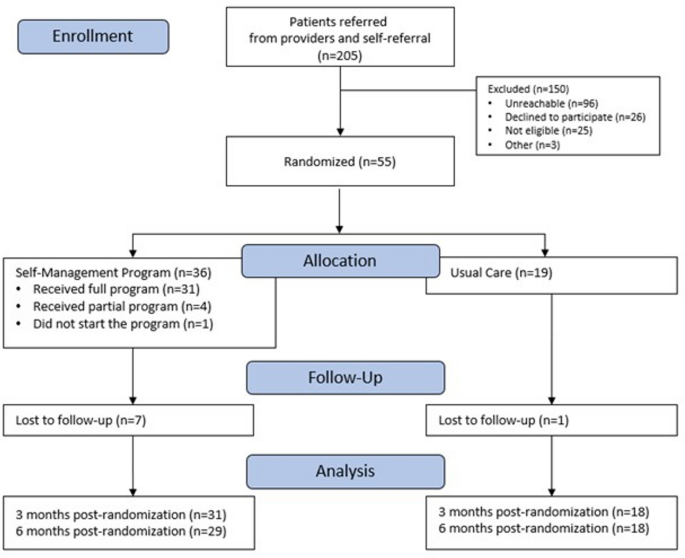
Feasibility, Acceptability, and Preliminary Effects of a Nurse-Delivered Self-Management Program for Individuals with Inflammatory Bowel Disease: A Pilot Randomized Controlled Trial
Digestive Diseases and Sciences

Feasibility, Acceptability, and Preliminary Effects of a Nurse-Delivered Self-Management Program for Individuals with Inflammatory Bowel Disease: A Pilot Randomized Controlled Trial

Self‑management programs delivered by nurses may help people with IBD improve daily functioning, confidence in managing their condition, and quality of life even when inflammation markers don’t change. That matters...

Read Summary
Inflammatory Bowel Disease and Its Unique Impact on Body Image: A Qualitative Exploration.
Journal of clinical psychology

Inflammatory Bowel Disease and Its Unique Impact on Body Image: A Qualitative Exploration.

Body-image concerns in IBD are linked with poorer mental health, eating behaviours, and overall quality of life. Understanding these experiences can help clinicians and support services better address emotional and...

Read Summary
Exploring bidirectional causal relationships between ulcerative colitis and depression via the gut-brain axis: A Mendelian randomization study with plasma protein mediator analysis.
Journal of affective disorders

Exploring bidirectional causal relationships between ulcerative colitis and depression via the gut-brain axis: A Mendelian randomization study with plasma protein mediator analysis.

People with ulcerative colitis commonly experience depression; understanding whether the relationship is causal and which blood proteins might mediate it could help researchers develop biomarkers or new therapies...

Read Summary

Microbiome-driven alterations in tryptophan metabolism contribute to behavioral comorbidities in the Muc2 knockout mouse model of chronic colitis.

IBD is increasingly linked with anxiety, depression, and cognitive symptoms; this study suggests gut microbes may change tryptophan metabolism in colitis and contribute to those brain-related symptoms, which could point...

Read Summary