Sexual dysfunction is common in IBD and—according to this study—appears more strongly linked to psychological and demographic factors than to disease activity or muscle loss. Recognizing and treating mental-health issues could help address sexual health problems in people with IBD.
Who Should Pay Attention
Adults with IBD, gastroenterology clinicians and IBD care teams, mental-health providers, and researchers focused on IBD quality-of-life.
Study Snapshot
Story typeResearch paper
Evidence typeResearch paper
Source depthJournal abstract
What To Know
This cross-sectional study of 219 people with IBD (105 Crohn’s, 114 UC) measured sexual dysfunction (ASEX), muscle-related functional reserve (handgrip, muscle mass, gait speed), and psychological symptoms (HADS).
Sexual dysfunction was common (60.7%) and showed correlations with older age, female sex, higher depressive and anxiety symptoms, greater disease activity (Harvey-Bradshaw Index), and lower gait speed/muscle measures.
In hierarchical regression, depressive symptoms added significant explanatory power and in the final model older age, female sex, and depressive symptom burden were independently associated with worse ASEX scores.
This paper’s main take-home is that psychological and demographic factors explained more of the variation in sexual dysfunction than disease activity or sarcopenia-related measures, supporting routine psychosocial assessment in IBD care.
Keep In Mind
Cross-sectional design limits causal inference. Findings are based on measures reported in the article abstract and should be interpreted as study-level associations rather than proof of effect.
Source Details
Review the original publication for the complete reporting, methods, and context.
This Cure8 brief is based on source text from the linked article. Cure8 is informational only and is not a substitute for professional medical advice, diagnosis, or treatment.
The study suggests anxiety, depression, poor sleep, and low exercise are linked with higher risk of IBD flares. That means mental health and lifestyle may be important parts of managing IBD alongside medical care.
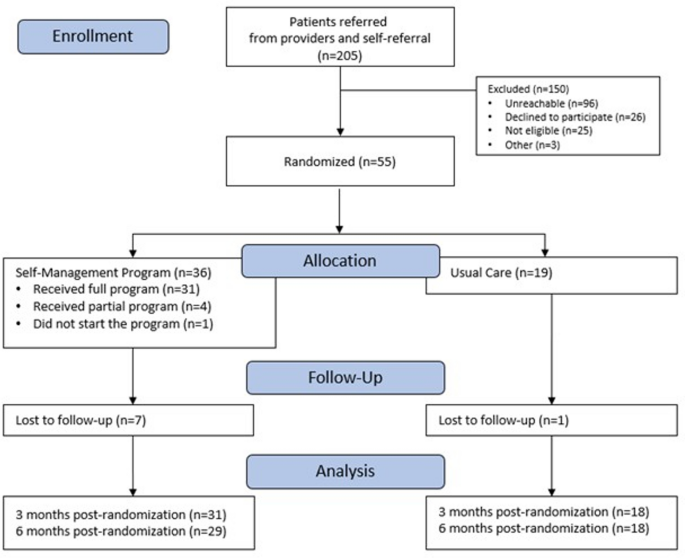
Self‑management programs delivered by nurses may help people with IBD improve daily functioning, confidence in managing their condition, and quality of life even when inflammation markers don’t change. That matters...
Stigma is common in people with IBD and can worsen isolation, anxiety, and quality of life. Practical coping strategies and support resources can help reduce emotional burden and improve daily functioning.