Feasibility, Acceptability, and Preliminary Effects of a Nurse-Delivered Self-Management Program for Individuals with Inflammatory Bowel Disease: A Pilot Randomized Controlled Trial
Self‑management programs delivered by nurses may help people with IBD improve daily functioning, confidence in managing their condition, and quality of life even when inflammation markers don’t change. That matters because many patients continue to have symptoms and life impact despite medical treatment.
Who Should Pay Attention
Adult patients with Crohn’s disease or ulcerative colitis, IBD nurses and clinic teams, and researchers designing behavioral or supportive-care interventions for IBD.
Study Snapshot
Story typeResearch paper
Evidence typeResearch paper
Source depthMetadata only
What To Know
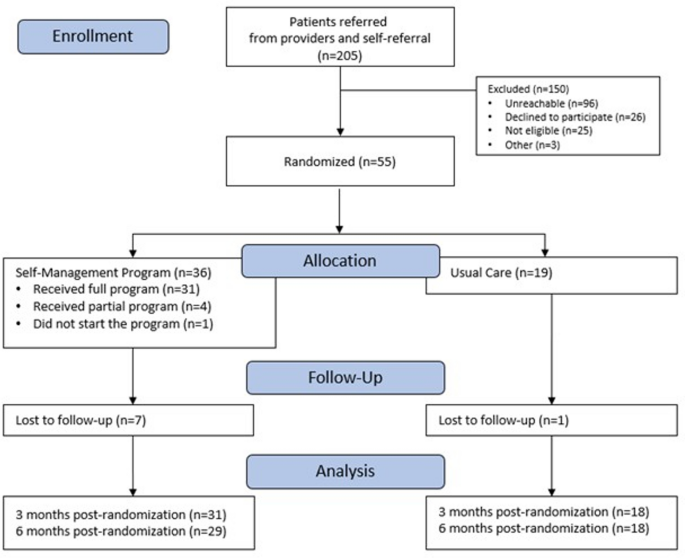
This open‑access pilot randomized controlled trial tested a nurse‑delivered self‑management program (eight online modules plus weekly phone check‑ins) versus usual care in adults with Crohn’s disease or ulcerative colitis who reported symptoms.
The program showed high feasibility and acceptability and produced improvements in functional impairment, patient activation, self‑regulation, and quality of life at 3 and 6 months; symptom severity and fecal calprotectin were largely unchanged. The study randomized 55 participants (36 intervention, 19 usual care).
Measures included surveys, interviews, and fecal calprotectin; qualitative feedback highlighted value of nurse check‑ins and accountability. This pilot supports testing a fully powered trial and consideration of integrating nurse‑delivered self‑management into routine IBD care if larger trials confirm benefits.
Keep In Mind
This is a small pilot randomized trial designed to test feasibility and acceptability; it was not powered to definitively show clinical effectiveness. Symptom scores and fecal calprotectin did not improve, so larger trials should evaluate both patient‑reported outcomes and biological markers before changing practice.
Source Details
Review the original publication for the complete reporting, methods, and context.
Funding disclosed by the source: National Institute of Nursing Research, award K23 NR020044; National Institute of Nursing Research, award T32016913; Institute of Clinical and Translational Sciences, award UL1 TR002319; Eunice Kennedy Shriver National Institute of Child Health and Human Development, award P2C HD042828
This Cure8 brief is based on source text from the linked article. Cure8 is informational only and is not a substitute for professional medical advice, diagnosis, or treatment.
The study suggests vitamin D might help the immune system tolerate gut bacteria better and lower intestinal inflammation, which could mean fewer symptoms or flares for people with Crohn’s disease or ulcerative colitis.
The study suggests anxiety, depression, poor sleep, and low exercise are linked with higher risk of IBD flares. That means mental health and lifestyle may be important parts of managing IBD alongside medical care.
Stigma is common in people with IBD and can worsen isolation, anxiety, and quality of life. Practical coping strategies and support resources can help reduce emotional burden and improve daily functioning.