E-nose in Evaluating Colitis Activity
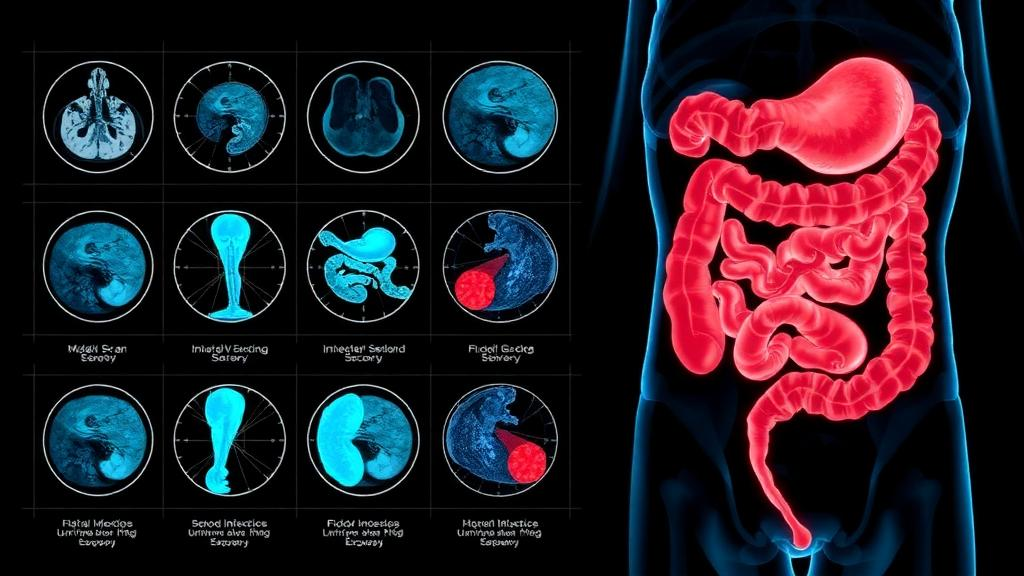
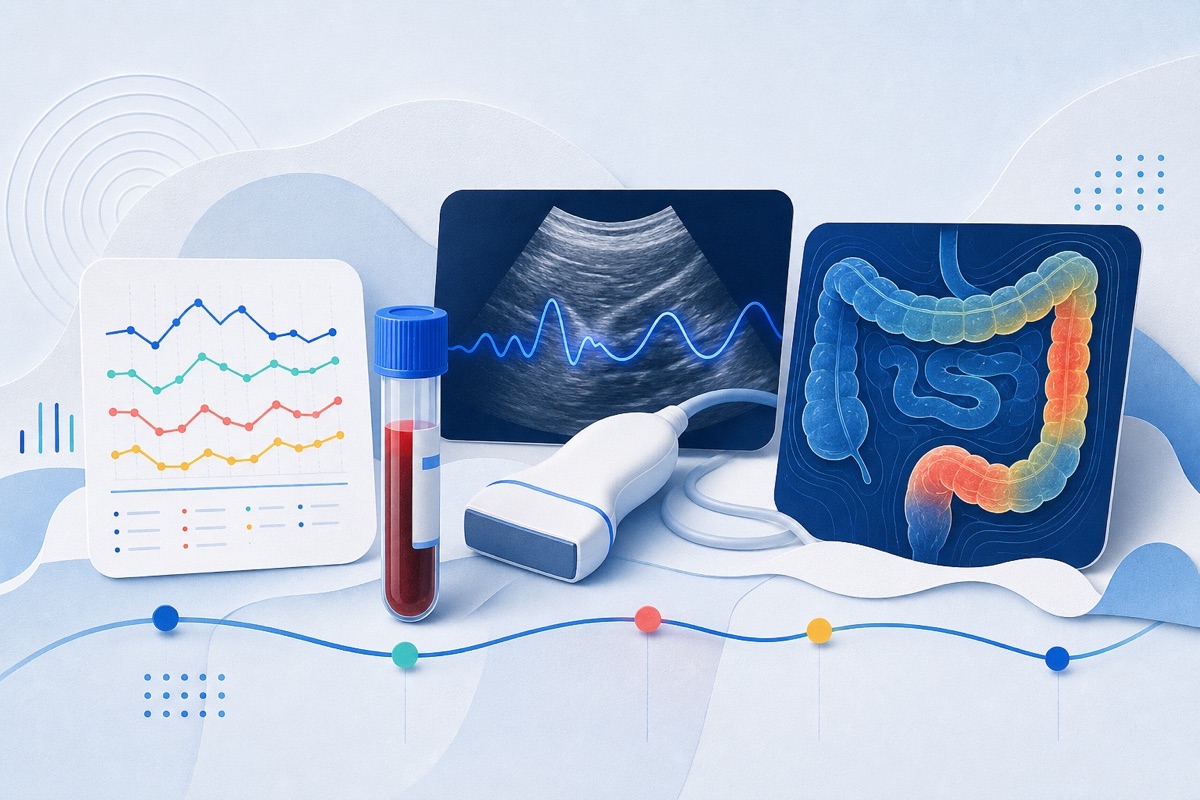
A rapid stool molecular test could offer a noninvasive way to measure inflammation, predict relapse, and monitor treatment response in children with IBD—areas where current tests have limitations.
Tests and monitoring tools
Fecal calprotectin articles covering stool inflammation testing, flare monitoring, treatment response, and IBD research. Monitoring context emphasizes diagnosis, follow-up, disease activity, treatment response, and care decisions.
Page 1 of 2 · 81 articles
A rapid stool molecular test could offer a noninvasive way to measure inflammation, predict relapse, and monitor treatment response in children with IBD—areas where current tests have limitations.
Blood biomarkers that predict vedolizumab response could help patients and clinicians choose the most effective therapy sooner and avoid ineffective treatments. The study suggests LRG and MCP‑1 may differentiate...
People with IBD and coexisting primary sclerosing cholangitis (PSC) may get faecal calprotectin tests to monitor colon inflammation. If PSC raises FC independently of colitis, FC could mislead decisions about IBD...
IBD patients can have lung involvement without symptoms. Simple spirometry focused on small-airway measures might help detect early pulmonary changes and prompt further evaluation or monitoring.
Unexplained mid‑esophageal ulcers with recurrent oral ulcers can reflect rare systemic inflammatory diseases such as gastrointestinal Behçet disease, and they often need broad testing to exclude infections, malignancy,...
This real-world multicentre study evaluates risankizumab effectiveness and short-term persistence in adults with Crohn's disease, including those previously treated with ustekinumab — information that can help patients...
The study will test whether routine point‑of‑care intestinal ultrasound changes clinical decisions compared with standard monitoring, which could make monitoring less invasive and more responsive if effective.
Coexistence of ulcerative colitis and collagenous colitis is rare but can change diagnosis and management. Stool calprotectin and biopsies helped identify and monitor disease activity, and adjusting mesalazine coincided...
Standardized intestinal ultrasound scoring could help non-invasively monitor Crohn’s disease activity and reduce reliance on colonoscopy for some assessments. A high-sensitivity IUS score may be useful to rule out...
Many women with UC use hormonal contraception and worry it might worsen disease activity. This study provides evidence that HCT was not linked to more recurrent flares or higher cumulative inflammatory burden in the...
Many people on ustekinumab who lose response wonder whether increasing dosing frequency helps. This prospective study suggests that empiric intensification to every 4 or 6 weeks raised drug levels and was linked with...
Fatigue is common and disabling for people with IBD; this study shows that factors beyond intestinal inflammation—especially central sensitization and psychological symptoms—explain much of fatigue. That means treating...
VTE is a serious, potentially preventable complication in children with newly diagnosed IBD. Identifying risk factors could help clinicians consider which pediatric patients might need closer monitoring or future...
Non-invasive fecal lipid markers could help differentiate UC from CD and improve diagnostic molecular profiling in IBD if validated, which may be useful for patients and clinicians seeking less-invasive diagnostic tools.
The study evaluates how well first-line 5-ASA therapy achieves modern treatment targets (endoscopic, histologic, and biomarker remission) in real-world UC patients who are clinically in remission. Patients and clinicians...
If confirmed, a brain perivascular/glymphatic change linked to intestinal inflammation could help explain why sleep problems are common in Crohn's disease and point to new research targets for symptom mechanisms and...
The T&W criteria are still used to define severe UC on admission, but relying on them alone may delay recognition of steroid non‑response and escalation decisions. Integrating biomarkers, endoscopy, and imaging can help...
If validated, blood microRNAs could become noninvasive biomarkers to help track inflammation and predict biochemical response to infliximab or vedolizumab in Crohn’s disease, complementing CRP and fecal calprotectin.
Faecal calprotectin appears to be the best non‑invasive test among those studied for distinguishing UC from Crohn’s disease and for reflecting mucosal inflammation. Simpler blood‑based scores may help gauge systemic...
Noninvasive stool metabolite patterns could eventually help predict which people with Crohn’s disease are more likely to develop strictures or penetrating complications, and may offer markers of disease activity and...
Bowel wall vascularization on ultrasound is used to gauge transmural inflammation in Crohn’s disease. This study examines whether quantitative measures could make those assessments more objective and how technique and...
Dietary strategies like the Mediterranean diet and time-restricted feeding could be low-risk ways to influence gut microbiota, short-chain fatty acids, and inflammation in people with ulcerative colitis; this trial will...
Measuring mucosal healing across the whole gut with stool markers, ultrasound, and capsule endoscopy may give a clearer picture of whether biologic treatment is working and help guide decisions about continuing or...
Oral signs such as persistent lip swelling can be an early presentation of Crohn’s disease in adolescents and may prompt testing that leads to earlier diagnosis and treatment.
Real‑world studies of ustekinumab help patients and clinicians understand how the drug performs outside clinical trials, including effectiveness for steroid‑free remission and use across different UK care settings.
Diet-based therapies like CDED + PEN may help control Crohn’s symptoms and improve nutrition without adding medications. This study suggests some adults can maintain remission and gain nutritional benefits over a year...
This study could validate a noninvasive stool-test strategy (FIT + fecal calprotectin) to triage which long-standing UC patients need colonoscopy, potentially improving surveillance efficiency and adherence.
The study provides real-world effectiveness and safety data for risankizumab in a largely difficult-to-treat Crohn's population, showing about half achieved corticosteroid-free clinical remission at 24 weeks —...
This study suggests that people with PSC-IBD may respond differently to some biologic treatments: infliximab and vedolizumab had similar early effectiveness versus IBD alone, but ustekinumab showed a lower early response...
This large pediatric registry study suggests children starting infliximab biosimilars have similar 12‑month clinical outcomes and treatment durability as those starting the originator drug — reassuring for patients and...
This trial tests whether pomegranate juice can lower fecal calprotectin, a commonly used marker of intestinal inflammation, in people with IBD in remission. If effective, such a dietary approach could be of interest to...
The study tests whether adding MRI-based transmural assessment to a fecal-calprotectin–guided (CALM) strategy improves the ability to keep people with Crohn’s disease in corticosteroid-free clinical remission and may...
If sodium intake influences gut proteolytic activity, microbiota and inflammation, the findings could help tailor dietary guidance and personalized nutrition strategies for people with Crohn’s disease.
People on biologic therapy who are not responding to standard doses may benefit from dose escalation — this study suggests escalation is common in routine care and linked with improved objective and patient‑reported...
Noninvasive stool markers that track endoscopic inflammation could reduce the need for frequent pediatric endoscopies, easing burden and risk for children with IBD. Strong correlation with endoscopy suggests these tests...
For people with IBD who do not respond to standard biologic doses, escalating the dose appears common in routine care and was associated with better short-term remission rates and reduced healthcare use in this registry...
Early changes in stool tests (qFIT and fecal calprotectin) might help predict which biologic‑naive ulcerative colitis patients will relapse or need escalation to biologic/JAK therapy. If validated, such markers could...
Early, noninvasive stool tests (fecal calprotectin and FIT) might identify whether vedolizumab or infliximab is likely to work within weeks instead of months. That could let patients and clinicians make treatment...
The study identifies specific induction exposure targets and biomarkers tied to higher chances of deep remission at 12 months in children on anti-TNF therapy, which could inform earlier dose optimization to improve...
Diagnostic delays can mean a child with Crohn's disease doesn't get timely treatment. This report shows weight loss in young patients—especially girls—can be mistakenly labeled an eating disorder, so awareness and...
Noninvasive tools that reliably detect postoperative recurrence could reduce the need for frequent invasive endoscopy and help target earlier intervention for people with Crohn's disease after surgery.
The study suggests nickel accumulation and iron deficiency may be linked with more severe IBD. If confirmed, blood metal and micronutrient levels could help researchers understand disease mechanisms and guide nutritional...
If validated, an early drop in fecal calprotectin could help identify patients on biologic therapy who are likely to achieve mucosal healing without waiting for invasive endoscopy, allowing earlier decisions about...
If fecal GP2 reliably reflects UC activity and microbial changes, it could become a noninvasive marker to track inflammation or to study disease mechanisms that differ between UC and CD.
Dietary therapy (CDED + PEN) was associated with longer remission when families adhered well; since adherence varies, support from a dietitian matters for keeping children in remission.
DGBI-like symptoms are common in children whose IBD is biochemically quiescent and are associated with worse quality of life and more anxiety—issues that can affect daily functioning and disease management even when...
Fecal calprotectin measured by a point‑of‑care CGICA assay showed high accuracy for identifying colorectal inflammation and IBD in patients with chronic diarrhea, which could help avoid some unnecessary colonoscopies...
Non-invasive biomarkers that reflect mucosal inflammation and systemic disease activity could help reduce reliance on frequent endoscopy and guide monitoring for people with Crohn’s disease or ulcerative colitis.