Patients and clinicians worry isotretinoin might trigger flares in people with existing IBD. This study suggests that among patients with stable, well-controlled Crohn's or UC, isotretinoin did not generally worsen disease activity as measured by clinical scores and biomarkers.
Who Should Pay Attention
Adults with established Crohn's disease or ulcerative colitis considering isotretinoin for acne; gastroenterologists and dermatologists managing acne in IBD patients; clinicians caring for patients on biologic therapy.
Study Snapshot
Story typeResearch paper
Evidence typeResearch paper
Source depthJournal abstract
What To Know
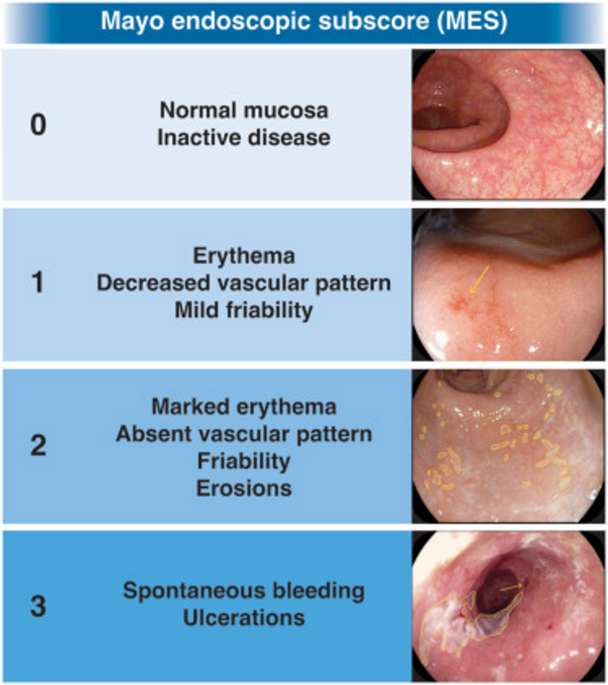
The study included 37 patients with CD or UC treated with isotretinoin and with at least one IBD assessment before and after starting the drug. Most (86%) were in clinical remission at baseline. Over follow-up, 92% remained in remission and standard clinical scores (HBI, partial Mayo), CRP/ESR, and fecal calprotectin showed no significant change.
A minority (11%, 4 patients) met the study's composite IBD-status-change outcome; the authors attribute most of these events to other IBD-related factors (eg, biologic switches, anti-drug antibodies, dose changes) rather than isotretinoin itself.
Takeaway: in this cohort of patients with established, well-controlled IBD, isotretinoin was not associated with meaningful worsening of disease activity, suggesting it may be an option for carefully selected patients under close follow-up.
Keep In Mind
This is a single-center, retrospective cohort with 37 patients and most were in remission at baseline, which limits how broadly the findings can be applied. The structured content is an abstract-level summary of the published journal article; Cure8 did not review additional unpublished data.
Source Details
Review the original publication for the complete reporting, methods, and context.
This Cure8 brief is based on source text from the linked article. Cure8 is informational only and is not a substitute for professional medical advice, diagnosis, or treatment.
A non-invasive test (intestinal ultrasound) that predicts whether patients stay on biologic therapy could reduce the need for frequent endoscopy and help guide monitoring decisions.
The study will test whether routine point‑of‑care intestinal ultrasound changes clinical decisions compared with standard monitoring, which could make monitoring less invasive and more responsive if effective.
IBD patients can have lung involvement without symptoms. Simple spirometry focused on small-airway measures might help detect early pulmonary changes and prompt further evaluation or monitoring.