NIH RePORTER
Cure8 regulatory brief
Cure8 regulatory brief
Many people with IBD have ongoing IBS-like symptoms despite little or no intestinal inflammation. This project targets brain–gut and autonomic mechanisms that might explain symptom persistence and tests a non-drug intervention (nVNS) that could help if central nervous system pathways are important.
Researchers studying brain–gut interactions, clinicians treating IBD patients with persistent functional symptoms, and patients with quiescent IBD who continue to have abdominal pain, urgency, or altered bowel habits.
This is a funded NIH project record proposing a multimodal study of persistent IBS-like symptoms in patients with quiescent IBD (termed IBD–IBS).
The plan combines functional MRI to assess central autonomic network connectivity, four-week wearable physiologic monitoring (heart rate/HRV/circadian measures), and a randomized controlled trial of non-invasive vagal nerve stimulation (nVNS) versus usual care. Outcomes include brain connectivity, autonomic activity, symptoms, and fecal calprotectin.
The record describes Aims: (1) identify CAN functional connectivity signatures distinguishing UC–IBS, inflammation-driven UC, and diarrhea-predominant IBS; (2) characterize autonomic dysfunction with wearable sensors and correlate ANS profiles with brain connectivity; (3) run an RCT of nVNS to test effects on CAN connectivity, ANS activity, symptoms, and fecal calprotectin.
The project frames IBD–IBS as a distinct subgroup often excluded from IBD trials and not responsive to anti-inflammatory therapy. This brief summarizes the project record (funded-research project) and is grounded in the NIH Reporter abstract and project description; it does not represent a peer-reviewed paper or trial results.
This entry is a project record describing planned and funded research (structured content depth: project-record). It reports study aims and planned methods but does not provide results. Any interventions or biomarkers mentioned are part of the proposed study and should not be interpreted as proven therapies or established diagnostic standards.
Review the original publication for the complete reporting, methods, and context.
Funding disclosed by the source: National Institute of Diabetes and Digestive and Kidney Diseases - R01DK147396 - $828,108
This Cure8 brief is based on source text from the linked article. Cure8 is informational only and is not a substitute for professional medical advice, diagnosis, or treatment.
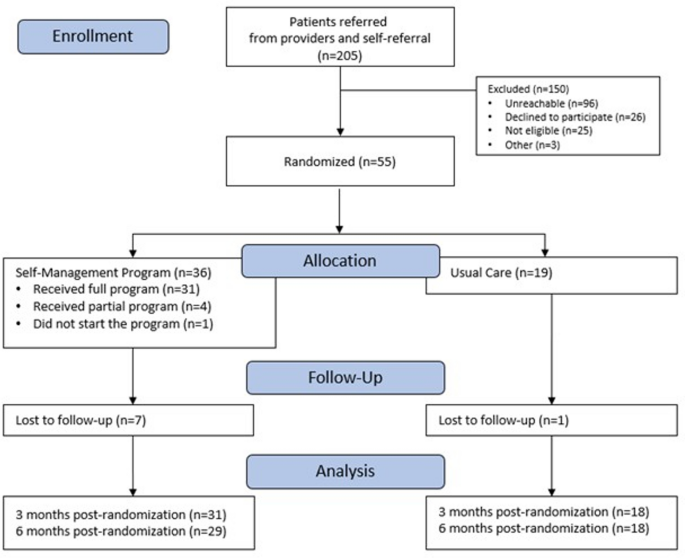
Self‑management programs delivered by nurses may help people with IBD improve daily functioning, confidence in managing their condition, and quality of life even when inflammation markers don’t change. That matters...
The study suggests vitamin D might help the immune system tolerate gut bacteria better and lower intestinal inflammation, which could mean fewer symptoms or flares for people with Crohn’s disease or ulcerative colitis.
Early-phase trials test whether new treatments are safe and show biological activity. This study measures fecal calprotectin, a biomarker of intestinal inflammation, so it could provide early signals about whether ND-12...