Depression is common in Crohn’s disease and appears linked to immune and microbial signals from the gut. Understanding gut–brain mechanisms could improve how mood symptoms are detected and treated in people with IBD.
Who Should Pay Attention
Adults with Crohn’s disease and depression; gastroenterologists and IBD clinicians; mental health clinicians working with IBD patients; researchers in microbiome and immune–brain interactions.
Study Snapshot
Story typeResearch paper
Evidence typeResearch paper
Source depthJournal abstract
What To Know
This review pulls together preclinical and clinical studies suggesting depression in Crohn’s disease is driven partly by immune and microbial signals that affect the brain.
The authors discuss established treatments (serotonergic antidepressants, cognitive behavioral therapy, biologic therapies) alongside emerging approaches (ketamine enantiomers, vagus nerve stimulation, microbiota-targeting natural compounds), noting variable effects on mood versus gut inflammation.
The review emphasizes that different treatments likely act on distinct components of the gut–brain axis, so a therapy that helps intestinal inflammation may not always improve depressive symptoms and vice versa.
The authors call for future studies that combine psychiatric measures with immune and microbiome biomarkers to clarify mechanisms and guide targeted interventions.
Keep In Mind
Narrative review synthesizing preclinical and clinical studies; heterogeneous methods across studies limit firm conclusions. The article recommends standardized psychiatric, immunologic, and microbiome outcomes in future research.
Source Details
Review the original publication for the complete reporting, methods, and context.
This Cure8 brief is based on source text from the linked article. Cure8 is informational only and is not a substitute for professional medical advice, diagnosis, or treatment.
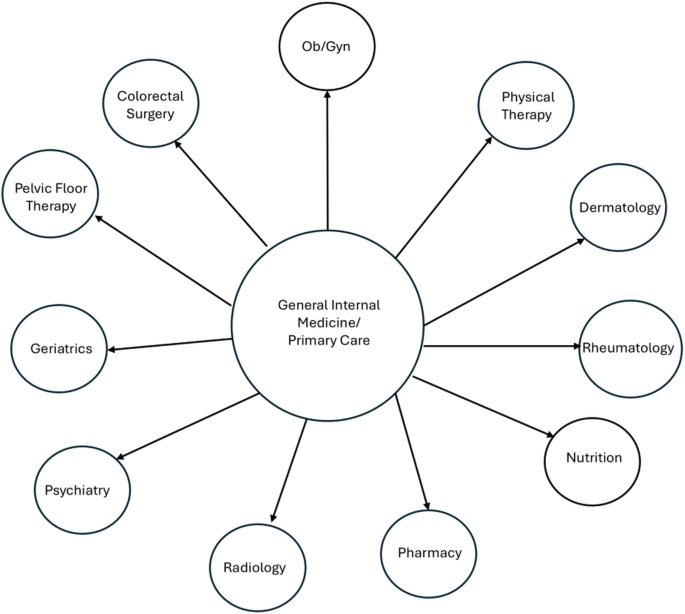
People with IBD commonly have extraintestinal symptoms (mood disorders, fatigue, pain, nutritional problems) that affect quality of life and need proactive identification and management in primary care.
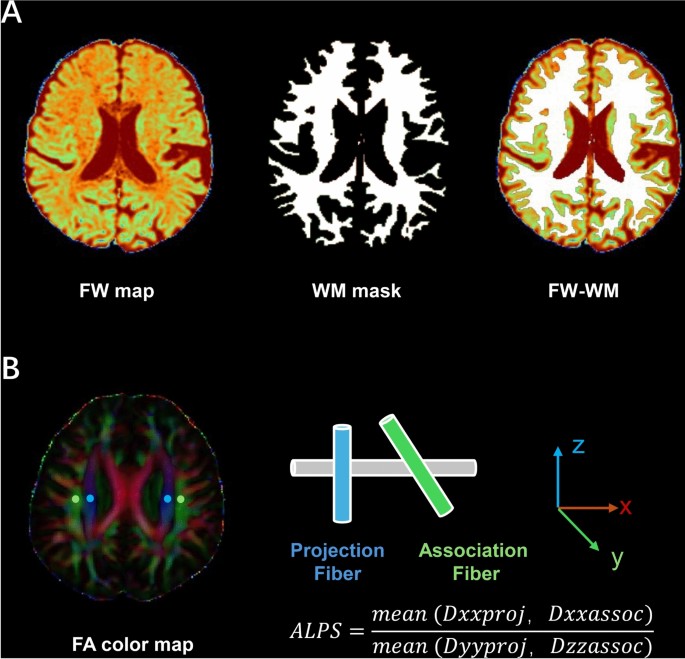
This study suggests brain glymphatic function — a fluid-clearance system — may be altered in people with Crohn’s disease and could relate to inflammation and common neuropsychiatric symptoms like fatigue, anxiety,...
The study tests whether combining a standardized coping-skills program with biologic therapy improves emotional well-being and clinical/endoscopic outcomes in people with early Crohn's disease—addressing common...