This study suggests brain glymphatic function — a fluid-clearance system — may be altered in people with Crohn’s disease and could relate to inflammation and common neuropsychiatric symptoms like fatigue, anxiety, depression, and sleep problems.
That links intestinal disease activity with measurable brain changes, which might help explain some extraintestinal symptoms.
Who Should Pay Attention
Adults with Crohn’s disease experiencing fatigue, mood or sleep problems; gastroenterologists and neurologists interested in gut–brain interactions; researchers studying biomarkers, neuroimaging, or inflammation-related CNS effects.
Study Snapshot
Story typeResearch paper
Evidence typeResearch paper
Source depthMetadata only
What To Know
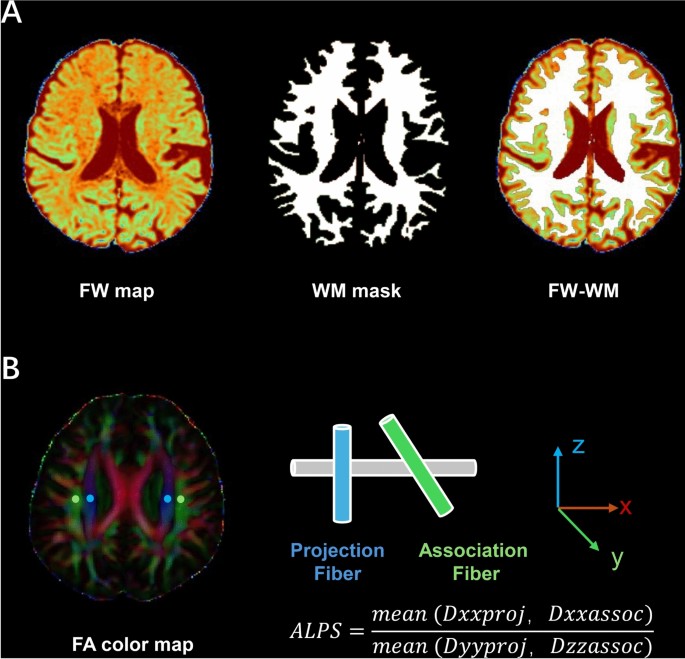
This journal article reports a prospective imaging study comparing glymphatic-system MRI metrics in 89 Crohn’s disease patients versus 48 healthy controls.
The authors measured free water in white matter (FW-WM), DTI-ALPS index, and gBOLD–CSF coupling, and tested associations between these imaging markers, blood inflammatory markers (CRP, ESR) and neuropsychiatric scores (anxiety, depression, fatigue, sleep quality).
The study found altered glymphatic measures in CD patients and reported correlations with systemic inflammation and worse neuropsychiatric symptoms.
The paper is a research study using advanced MRI metrics rather than a treatment trial; it provides noninvasive evidence linking central nervous system fluid clearance markers with inflammation and symptom burden in people with Crohn’s disease.
It does not report an intervention or change clinical practice, but it could inform future work on gut–brain mechanisms, biomarkers, or symptom-targeted therapies.
If you read the paper through an institutional subscription or library access, focus on the Methods and Results to see how the imaging metrics were derived and the strength and limits of the reported correlations.
The abstract notes modest correlation coefficients; interpretation should consider cohort size, cross-sectional design, and the potential for confounding factors.
Keep In Mind
The article is a prospective, observational imaging study (not an intervention). Associations reported are correlations and do not prove causation. Access to full text may require subscription; details on imaging methods and statistical adjustments are important for judging robustness.
Source Details
Review the original publication for the complete reporting, methods, and context.
This Cure8 brief is based on source text from the linked article. Cure8 is informational only and is not a substitute for professional medical advice, diagnosis, or treatment.
The study tests whether combining a standardized coping-skills program with biologic therapy improves emotional well-being and clinical/endoscopic outcomes in people with early Crohn's disease—addressing common...
This study offers a noninflammatory explanation for why many people with Crohn’s continue to have symptoms despite controlled inflammation: sulfur-producing gut microbes and their hydrogen sulfide byproduct. That could...
The work points to measurable molecular and microbial patterns that may help distinguish treatable inflammation from progressive fibrosis and suggests AI could aid in building predictive tools from limited samples —...