ClinicalTrials.gov
Cure8 trial brief
Behavioral Therapy for Crohn's Disease
Research and clinical trials
Microbiome
Depression
Anxiety
Fatigue
Pain
Phase 2 clinical trial
Adult patients
Cure8 trial brief
The study tests whether combining a standardized coping-skills program with biologic therapy improves emotional well-being and clinical/endoscopic outcomes in people with early Crohn's disease—addressing common mental-health burdens that patients report as important triggers and modifiers of disease.
Adults with recent Crohn's diagnosis, people about to start biologic therapy, IBD clinicians, and researchers interested in gut-brain and psychosocial interventions.
This is a randomized, placebo-controlled (time-and-attention control), interventional trial called CATHARSIS enrolling adults with Crohn's disease of under 5 years' duration who are about to start a new biologic.
The psychosocial intervention is a seven-session IBD Coping Strategies Program delivered via telemedicine; the control arm receives a matched-support program. The study plans to enroll 170 participants and measures patient-reported global health at 24 weeks plus clinical and endoscopic outcomes over 12 months.
The behavioral program is based on a validated Project Management for Crohn's Disease manual and targets stress reduction, resilience, and disease self-management. Eligible participants must be initiating an anti-TNF (adalimumab, certolizumab, infliximab) or an anti–IL-23 (risankizumab, guselkumab, mirikizumab) and have objective evidence of active disease.
This is a registered interventional trial (recruiting) and does not present findings. The psychosocial intervention is delivered via telemedicine and enrollment requires initiation of specified biologics and objective evidence of active disease.
Review the original publication for the complete reporting, methods, and context.
This Cure8 brief is based on source text from the linked article. Cure8 is informational only and is not a substitute for professional medical advice, diagnosis, or treatment.
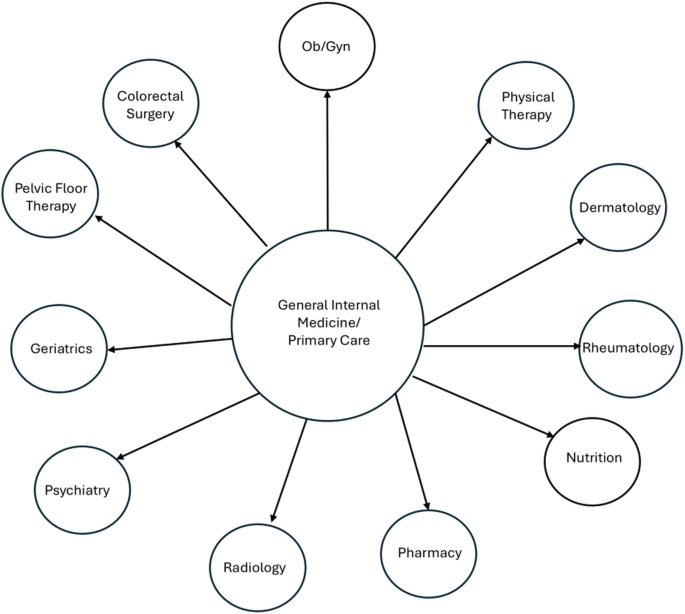
People with IBD commonly have extraintestinal symptoms (mood disorders, fatigue, pain, nutritional problems) that affect quality of life and need proactive identification and management in primary care.
The article explains how gut bacteria may contribute to IBD and summarizes common tests and treatments people are likely to encounter. It highlights emerging microbial therapies (probiotics and FMT) that some patients...
Anti-drug antibodies can make anti-TNF biologics stop working for people with Crohn’s disease. This trial tests a simple, short antibiotic course given before starting anti-TNF therapy to see if it lowers antibody...