
theweek.in
Cure8 news brief
Cure8 news brief
The article explains how gut bacteria may contribute to IBD and summarizes common tests and treatments people are likely to encounter. It highlights emerging microbial therapies (probiotics and FMT) that some patients ask about.
Adults with IBD (Crohn’s disease or ulcerative colitis), newly diagnosed patients, caregivers, and clinicians interested in microbiome-related approaches.
This article is a patient-oriented overview about IBD with an emphasis on the role of the gut microbiota.
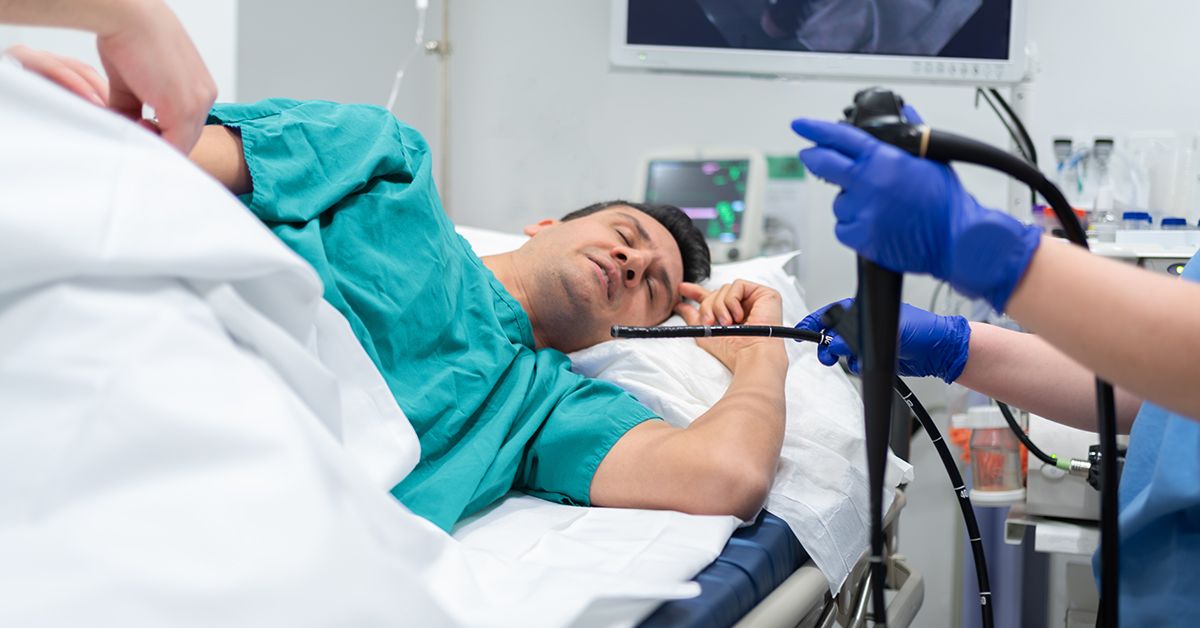
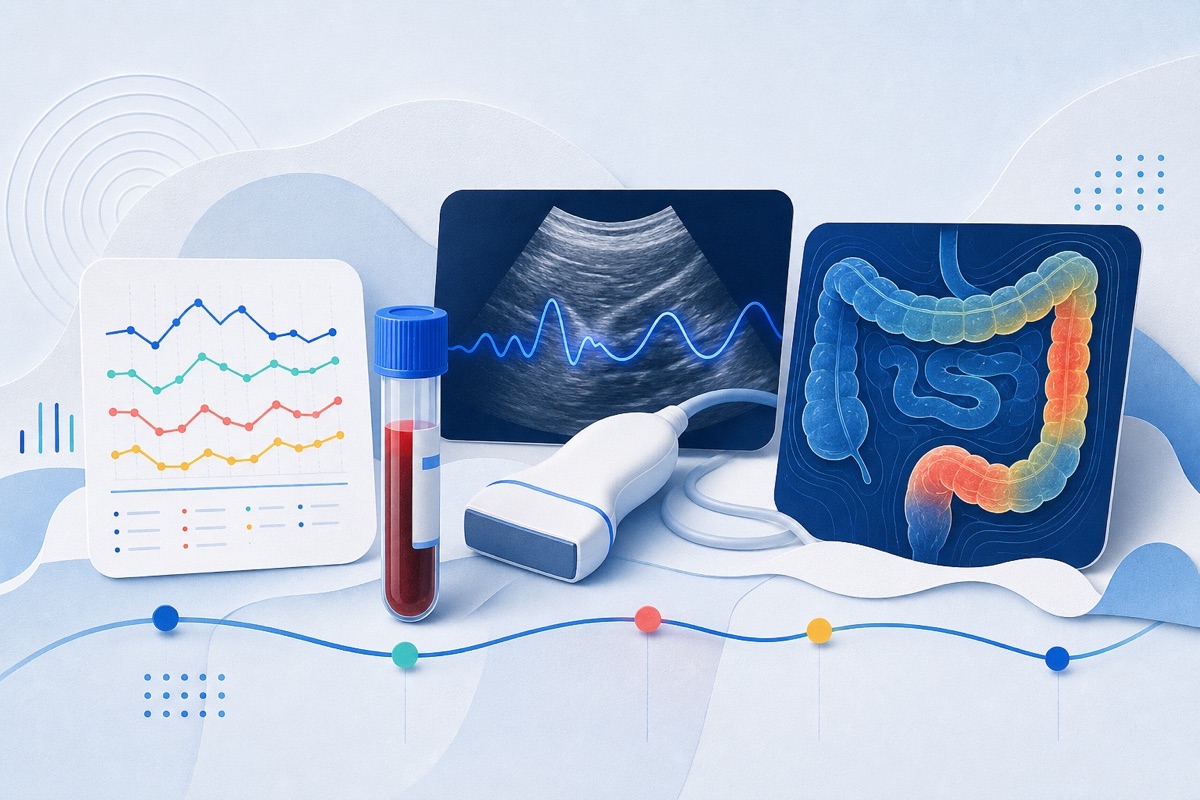
It describes typical symptoms and diagnostic tests (including fecal calprotectin, colonoscopy, and biopsy), outlines common initial treatments (aminosalicylates and short-term corticosteroids), and discusses lifestyle and microbial factors such as diet, breastfeeding, antibiotic exposure, probiotics, and fecal microbiota transplantation (FMT).
The piece frames microbiota alterations (dysbiosis) as one contributor to IBD and notes that probiotics have some evidence in ulcerative colitis but less for Crohn’s, while FMT is presented as an emerging option under investigation for patients not responding to standard therapies.
It is written by a gastroenterologist and reads as general patient education rather than a report of new clinical trial results.
This is a general educational article, not a report of a new trial. Discussion of probiotics and FMT is descriptive; those therapies are still being studied and are not universally recommended as standard care. Individual treatment decisions should come from a clinician.
Review the original publication for the complete reporting, methods, and context.
This Cure8 brief is based on source text from the linked article. Cure8 is informational only and is not a substitute for professional medical advice, diagnosis, or treatment.
The study suggests vitamin D might help the immune system tolerate gut bacteria better and lower intestinal inflammation, which could mean fewer symptoms or flares for people with Crohn’s disease or ulcerative colitis.
Patients with IBD or new symptoms should understand that Crohn’s disease and ulcerative colitis can look very similar but affect different parts of the gut and may require different treatments. Accurate diagnosis matters...
You can have active intestinal inflammation even without clear symptoms; early monitoring and tailored treatment aim to prevent complications and preserve quality of life.