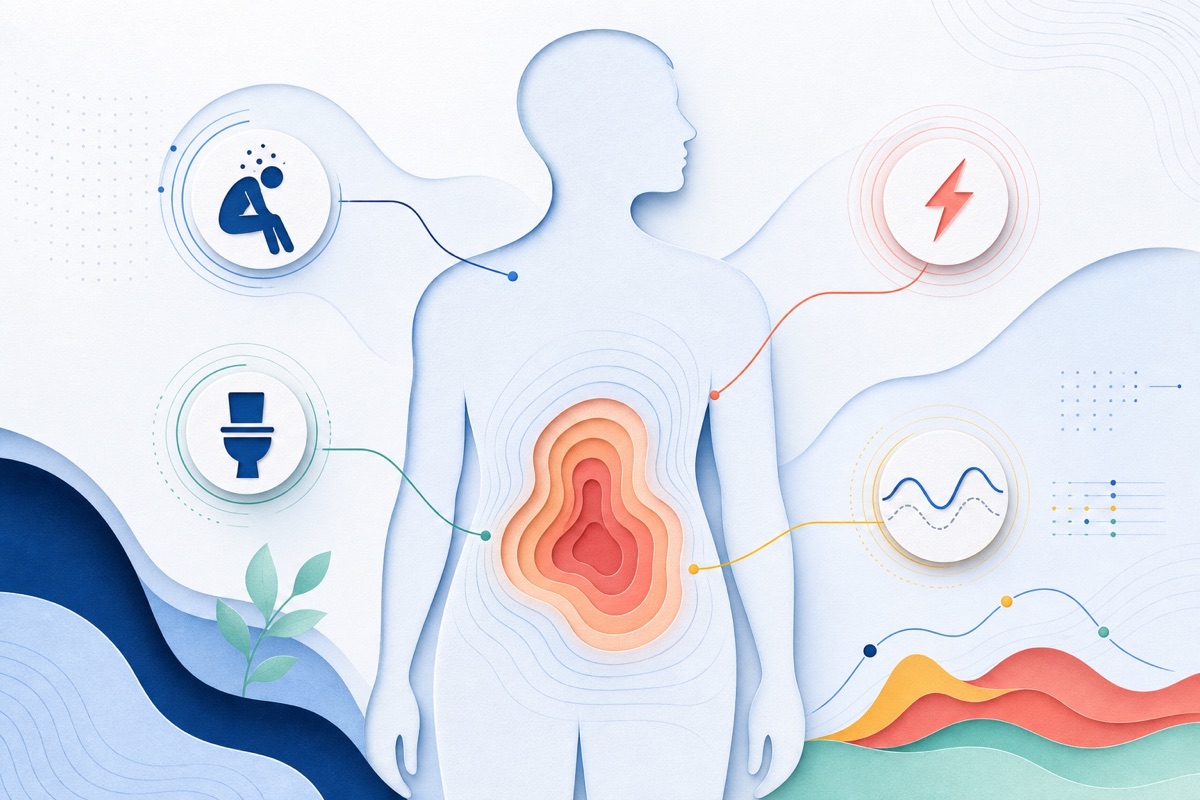
Patients with IBD or new symptoms should understand that Crohn’s disease and ulcerative colitis can look very similar but affect different parts of the gut and may require different treatments. Accurate diagnosis matters because it guides the appropriate tests and therapies, from medications to possible surgery.
Who Should Pay Attention
Adults with IBD symptoms or a recent diagnosis, newly diagnosed patients, caregivers, and clinicians evaluating or managing IBD.
Study Snapshot
Story typeClinical Reference
Evidence typePatient Education
Source depthFull source text
What To Know
This article explains how Crohn’s disease and ulcerative colitis are similar (both are chronic inflammatory bowel diseases with overlapping symptoms) and how they differ (anatomical distribution, typical symptoms, diagnostic tests, and treatment options).
It reviews common symptoms, diagnostic approaches (blood/stool tests, various endoscopies, imaging, biopsies), medical treatments including mesalamine, steroids, immunomodulators, biologics/anti-TNF and combination therapy, nutrition/diet considerations, and surgery options such as colectomy or proctocolectomy.
For patients, the piece emphasizes that symptoms overlap and misdiagnosis is possible, so doctors often use imaging and endoscopy plus biopsies to distinguish the two conditions. It summarizes typical locations affected: Crohn’s can involve any part of the GI tract while ulcerative colitis is limited to the colon.
The article also notes that treatment varies by disease type and severity and may progress from medications and diet changes to surgery in severe cases. The tone is explanatory and aimed at helping readers understand differences relevant to diagnosis and management, without presenting new clinical trial data or treatment recommendations.
It cites standard diagnostic tests and commonly used medication classes.
Keep In Mind
This is an educational overview summarizing established clinical distinctions and common diagnostic tests and treatments. It is not reporting new research findings and does not replace medical advice. Individual care decisions depend on a clinician’s evaluation, diagnostic testing, and disease severity.
Source Details
Review the original publication for the complete reporting, methods, and context.
This Cure8 brief is based on source text from the linked article. Cure8 is informational only and is not a substitute for professional medical advice, diagnosis, or treatment.
The article explains how gut bacteria may contribute to IBD and summarizes common tests and treatments people are likely to encounter. It highlights emerging microbial therapies (probiotics and FMT) that some patients...
Stomach cramps are a common and often painful part of Crohn’s disease that can signal active inflammation or complications. Understanding causes and management options helps people with Crohn’s recognize when to seek...
Understanding the differences between Crohn’s and ulcerative colitis helps patients and caregivers recognize likely symptom patterns, know which tests and treatments are commonly used, and when to seek specialist care....