
healthline.com
Cure8 news brief
Cure8 news brief
You can have active intestinal inflammation even without clear symptoms; early monitoring and tailored treatment aim to prevent complications and preserve quality of life.
Adults with Crohn’s disease (including those with few or no symptoms), caregivers, and clinicians who manage monitoring and treatment decisions.
The article summarizes common treatment options for asymptomatic Crohn’s, including aminosalicylates (mesalamine, sulfasalazine), immunomodulators (azathioprine, 6‑mercaptopurine), anti‑TNF biologics (infliximab, adalimumab, certolizumab), antibiotics, and corticosteroids.
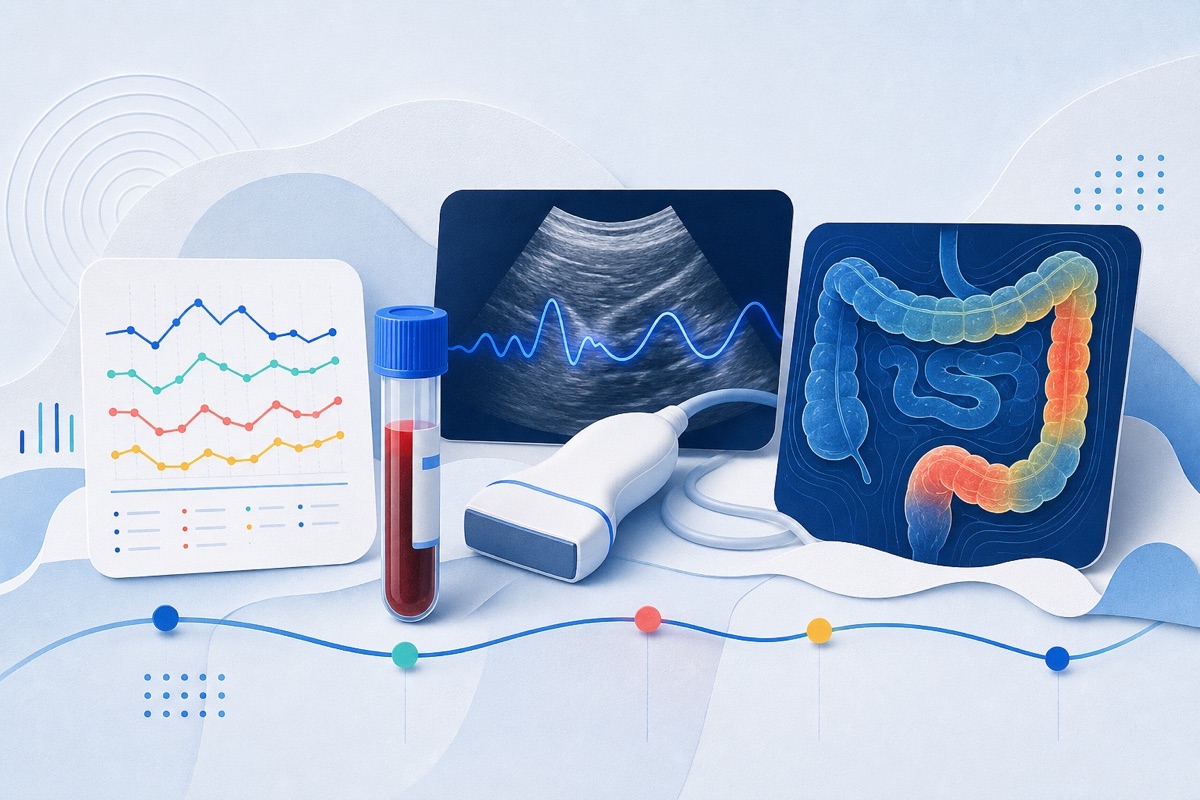
It also emphasizes lifestyle strategies and that surgery may be needed for complications such as strictures, abscesses, or fistulas. Monitoring and follow‑up Healthline highlights that colonoscopy, imaging, and blood/stool tests are used to detect inflammation even when symptoms are minimal, so clinicians can adjust treatment to prevent progression.
The piece stresses working with your doctor to choose monitoring and treatment based on disease features and individual risk factors.
This is a patient‑education overview, not a new study. Recommendations are general; specific decisions depend on individual disease severity, location, risk factors, and clinician judgment. The article lists common medications and monitoring tools rather than presenting new research findings.
Review the original publication for the complete reporting, methods, and context.
This Cure8 brief is based on source text from the linked article. Cure8 is informational only and is not a substitute for professional medical advice, diagnosis, or treatment.
Biologics are a common and important treatment option for people with moderate to severe Crohn’s disease; knowing when they’re used and their potential risks helps patients discuss treatment choices with their care team.
The study suggests starting anti-TNF drugs early in children with Crohn's could strongly lower the chance of developing anal fistulas, a serious complication that often requires surgery. Preventing fistulas can reduce...
This report outlines which drugs and companies are shaping Crohn’s disease treatment options and predicts market shifts that may affect treatment availability, costs, and future therapy choices.