
Discover Medicine
Cure8 research brief
Optimizing evidence based primary care framework for inflammatory bowel disease
Diet and lifestyle
Microbiome
Fatigue
Anxiety
Depression
Pain
Systematic Review or Meta Analysis
Clinicians
Cure8 research brief
People with IBD commonly have extraintestinal symptoms (mood disorders, fatigue, pain, nutritional problems) that affect quality of life and need proactive identification and management in primary care.
Primary care clinicians, gastroenterologists, adult patients with IBD (including newly diagnosed), and caregivers involved in preventive and holistic care.
The authors synthesize guidelines, consensus statements, observational studies, and expert opinion to highlight gaps in primary care familiarity with IBD comorbidities and preventive care.
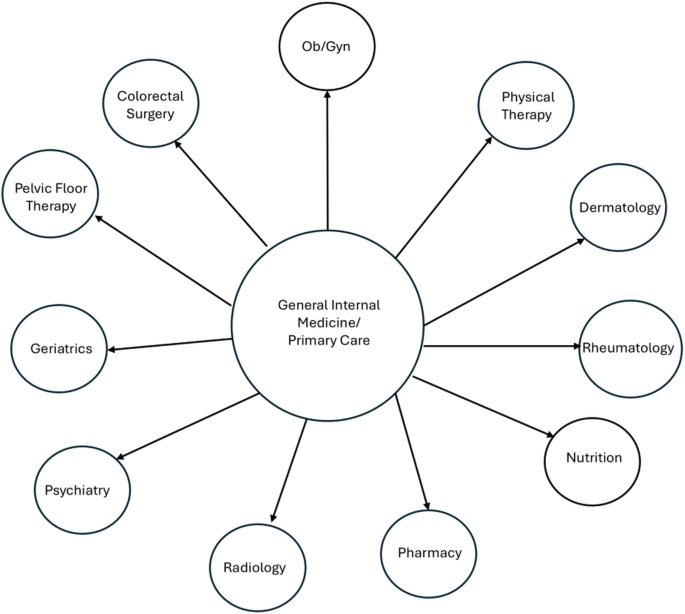
They focus on screening and management for anxiety, depression, fatigue, chronic pain, sexual health, pregnancy and lactation, and preventive cancer screening, and emphasize validated screening tools, behavioral and pharmacologic approaches, lifestyle interventions, and multidisciplinary collaboration.
Primary care has an important role: integrated care models (for example, patient-centered medical homes) and PCP-directed education are presented as ways to reduce unplanned care and improve patient well-being, though implementation varies.
Practical takeaway: clinicians should consider routine use of validated screening instruments and streamlined referral pathways for mental health, nutrition, reproductive care, and specialty GI input when needed.
Structured-content depth is an abstract-based review synthesis. The article aggregates guidelines and observational studies rather than reporting new trial results; implementation and local resources will affect how recommendations can be applied.
Review the original publication for the complete reporting, methods, and context.
This Cure8 brief is based on source text from the linked article. Cure8 is informational only and is not a substitute for professional medical advice, diagnosis, or treatment.
The article highlights a reported rise in IBD among young people and reinforces that diet and lifestyle factors may influence risk and flare-ups. It reminds readers that IBD symptoms can be mistaken for common...
Vitamin D deficiency is common in people with IBD and may relate to disease activity, complications, and quality of life; understanding this link could influence monitoring and adjunctive care.
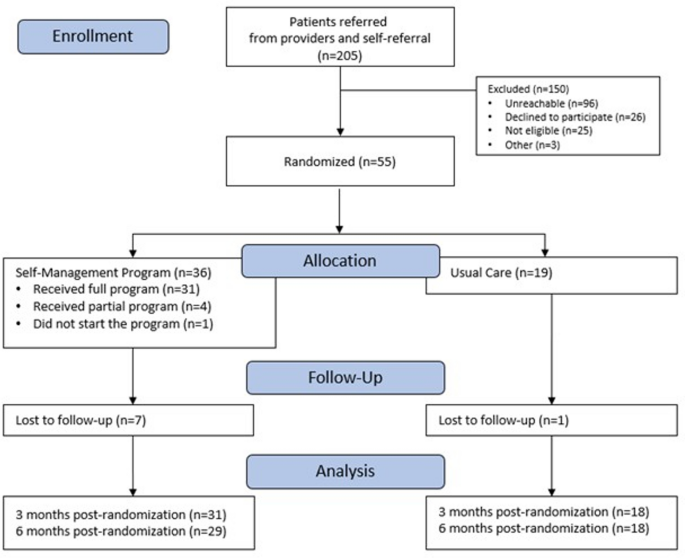
Self‑management programs delivered by nurses may help people with IBD improve daily functioning, confidence in managing their condition, and quality of life even when inflammation markers don’t change. That matters...