eurekalert.org
Cure8 news brief
Patients with IBD face elevated risk of psychiatric disorders - EurekAlert!
Mental health and quality of life
Anxiety
Depression
Flare
Clinical study
Adult patients
Clinicians
Newly Diagnosed
Cure8 news brief
Mental health problems often begin before IBD is diagnosed and stay higher for years after; addressing psychiatric symptoms early could improve overall disease management and quality of life for people with Crohn’s disease or ulcerative colitis.
Adults with IBD (including newly diagnosed patients), clinicians who evaluate suspected IBD, mental health providers working with GI patients, and caregivers.
This nationwide study compared more than 40,000 IBD patients to nearly 180,000 people from the general population and over 26,000 full siblings without IBD, suggesting the link is not solely due to shared family factors.
The authors recommend earlier mental health screening — including during initial GI evaluation — and integrating psychological care into routine IBD management.
Practical note: The report highlights timing (risks start years before diagnosis and peak within six months) so both patients and clinicians may consider monitoring mood and substance use as part of early evaluation and longer-term follow-up.
Source grounding: This brief summarizes the AGA press release reporting a study to be published in Clinical Gastroenterology and Hepatology; Cure8 has not reviewed the full peer-reviewed article.
The summary is based on an AGA press release about a nationwide Swedish cohort study to be published in Clinical Gastroenterology and Hepatology. Press-release summaries may omit methodological details; see the full paper for study design and limitations.
Review the original publication for the complete reporting, methods, and context.
This Cure8 brief is based on source text from the linked article. Cure8 is informational only and is not a substitute for professional medical advice, diagnosis, or treatment.
The study suggests anxiety, depression, poor sleep, and low exercise are linked with higher risk of IBD flares. That means mental health and lifestyle may be important parts of managing IBD alongside medical care.
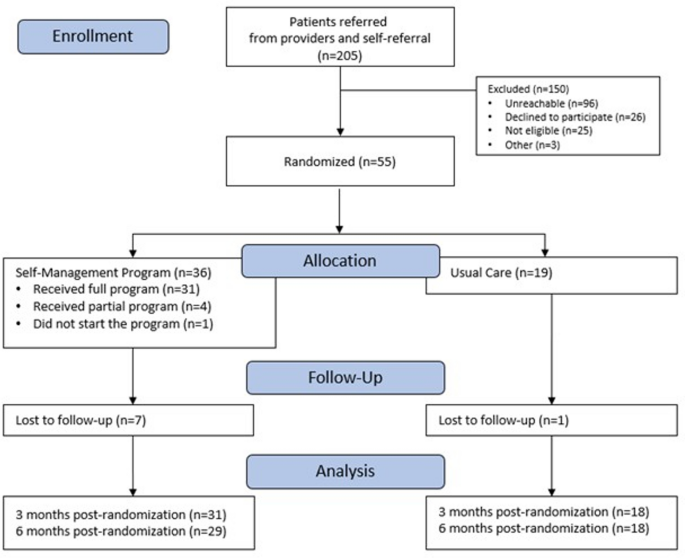
Self‑management programs delivered by nurses may help people with IBD improve daily functioning, confidence in managing their condition, and quality of life even when inflammation markers don’t change. That matters...
Chronic pain affects many people with IBD even after inflammation is controlled, often limiting daily activities and worsening mental health. Understanding that pain can persist without active inflammation highlights the...