healthcentral.com
Cure8 news brief
Cure8 news brief
Chronic pain affects many people with IBD even after inflammation is controlled, often limiting daily activities and worsening mental health. Understanding that pain can persist without active inflammation highlights the need for safer, targeted treatments and comprehensive care.
Adults with Crohn’s disease or ulcerative colitis (especially those with persistent abdominal pain after remission), caregivers, gastroenterology clinicians, pain specialists, and IBD researchers.
Chronic abdominal pain is a common and often persistent problem in people with IBD, including Crohn’s disease and ulcerative colitis.
The Crohn’s & Colitis Foundation has made post-inflammatory chronic pain a research priority and has funded studies and convened experts to better understand mechanisms (like visceral hypersensitivity) and to seek safer, more effective treatments. Current commonly used pain classes such as NSAIDs and opioids are noted as problematic for long-term use in IBD.
The article summarizes population-level findings (higher prevalence and severity of chronic pain in people with IBD), proposed biological drivers (post-inflammatory nerve sensitization), links to mental-health burdens like anxiety and depression, and the Foundation’s research initiatives.
It emphasizes that there are no FDA-approved IBD-specific pain therapies and that more research is needed to develop targeted, safer options.
If you’re living with ongoing pain despite being in remission, this piece highlights that you are not alone and points to ongoing research efforts and multidisciplinary approaches (gastroenterology, neurology, pain medicine) as the main paths toward better management. It does not provide new clinical trial results or practice-changing recommendations.
This article is a patient-facing summary produced in collaboration with the Crohn’s & Colitis Foundation and draws on the Foundation’s analyses and expert convenings. It summarizes research priorities and concepts (e.g., visceral hypersensitivity) rather than reporting new clinical trial results.
Review the original publication for the complete reporting, methods, and context.
This Cure8 brief is based on source text from the linked article. Cure8 is informational only and is not a substitute for professional medical advice, diagnosis, or treatment.
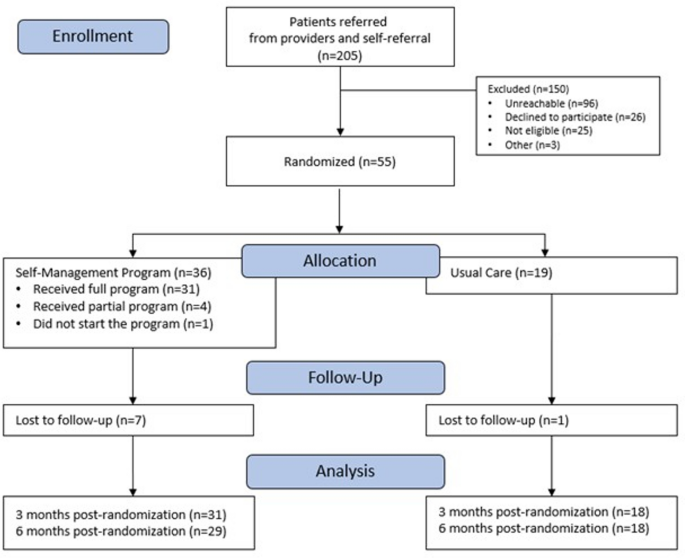
Self‑management programs delivered by nurses may help people with IBD improve daily functioning, confidence in managing their condition, and quality of life even when inflammation markers don’t change. That matters...
The study suggests anxiety, depression, poor sleep, and low exercise are linked with higher risk of IBD flares. That means mental health and lifestyle may be important parts of managing IBD alongside medical care.
The article highlights a reported rise in IBD among young people and reinforces that diet and lifestyle factors may influence risk and flare-ups. It reminds readers that IBD symptoms can be mistaken for common...