People with IBD face higher rates of anxiety, depression and other psychiatric disorders that often begin years before diagnosis and can persist long term. Recognizing and treating mental-health issues early can improve overall care and quality of life.
Who Should Pay Attention
People living with IBD (including Crohn’s disease and ulcerative colitis), parents and caregivers of children and teens with IBD, gastroenterology clinicians, and mental-health professionals working with IBD patients.
Study Snapshot
Story typeMainstream News
Evidence typeClinical study
Source depthFull source text
What To Know
The study adds to growing evidence that mental-health conditions (notably anxiety and depression) often appear before an IBD diagnosis and remain a long-term concern. The article emphasizes the gut–brain connection as a possible link and notes higher medication use for mental-health conditions prior to diagnosis.
Practical implications described include integrating mental-health screening at the time of IBD evaluation and providing multidisciplinary care (gastroenterology plus mental-health support). The article mentions cognitive behavioural therapy and mindfulness as supportive approaches but does not present new treatment trial results.
Keep In Mind
The article summarizes a Swedish clinical study and Canadian research; it reports associations and recommendations for screening and integrated care but does not present individual treatment outcomes or new therapeutic trials.
Source Details
Review the original publication for the complete reporting, methods, and context.
Clinical studyArticle type assigned from Cure8 classification; confirm details in the original source.
Publicationcp24.com
Publisherctvnews.ca
AuthorsArchie Niari
Indexed viaBing News
Source typeWeb article
PublishedAug 8, 2026, 2:00 AM
Content availableFull source text
This Cure8 brief is based on source text from the linked article. Cure8 is informational only and is not a substitute for professional medical advice, diagnosis, or treatment.
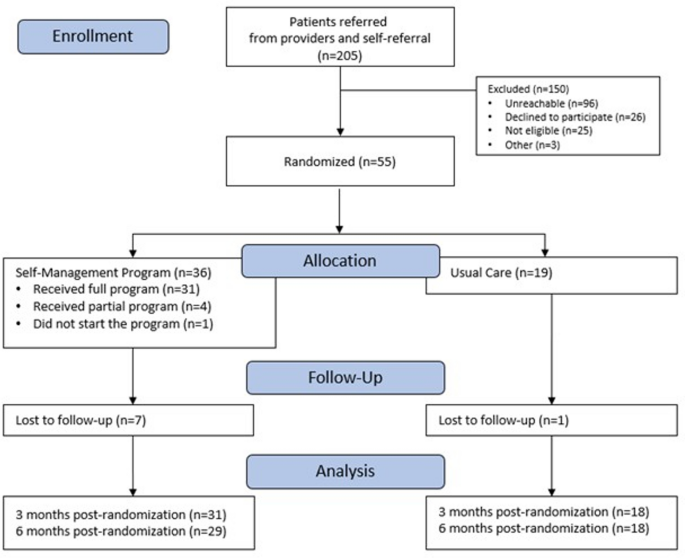
Self‑management programs delivered by nurses may help people with IBD improve daily functioning, confidence in managing their condition, and quality of life even when inflammation markers don’t change. That matters...
Stigma is common in people with IBD and can worsen isolation, anxiety, and quality of life. Practical coping strategies and support resources can help reduce emotional burden and improve daily functioning.
The study suggests vitamin D might help the immune system tolerate gut bacteria better and lower intestinal inflammation, which could mean fewer symptoms or flares for people with Crohn’s disease or ulcerative colitis.