ClinicalTrials.gov
Cure8 trial brief
A Mindfulness-based Stress Reduction Program for IBD
Mental health and quality of life
Anxiety
Depression
Flare
Clinical Trial Phase 1
Adult patients
Clinicians
Researchers
Cure8 trial brief
Stress and psychological distress are common in people with IBD and may influence symptoms and inflammation. This trial tests whether an 8‑week MBSR program can improve psychological wellbeing and whether those benefits relate to measurable changes in inflammation and the gut microbiome.
Adults with Crohn’s disease or ulcerative colitis; clinicians managing IBD mental‑health care or adjunct therapies; researchers interested in mindfulness interventions, biomarkers, or the microbiome.
This is an interventional, open-label, comparator-controlled trial run by the Nova Scotia Collaborative IBD Program and listed as Not Yet Recruiting.
About 70 adults with mild-to-moderately active IBD will be randomized to either an 8‑week virtual MBSR course (weekly 2.5-hour sessions plus a day session and homework) or standard of care plus an educational stress‑reduction video.
The investigators plan to collect psychological questionnaires, clinical disease activity data, medication/surgical history, microbial diversity, and cytokine arrays to explore mental‑health and biological effects of MBSR on the brain–gut axis. The trial focuses on feasibility and mechanistic biomarkers rather than testing a new drug.
This is a registered interventional trial (Not Yet Recruiting) and does not contain outcome data. The study is relatively small and open‑label; biomarker and microbiome analyses are exploratory.
Review the original publication for the complete reporting, methods, and context.
This Cure8 brief is based on source text from the linked article. Cure8 is informational only and is not a substitute for professional medical advice, diagnosis, or treatment.
The study suggests anxiety, depression, poor sleep, and low exercise are linked with higher risk of IBD flares. That means mental health and lifestyle may be important parts of managing IBD alongside medical care.
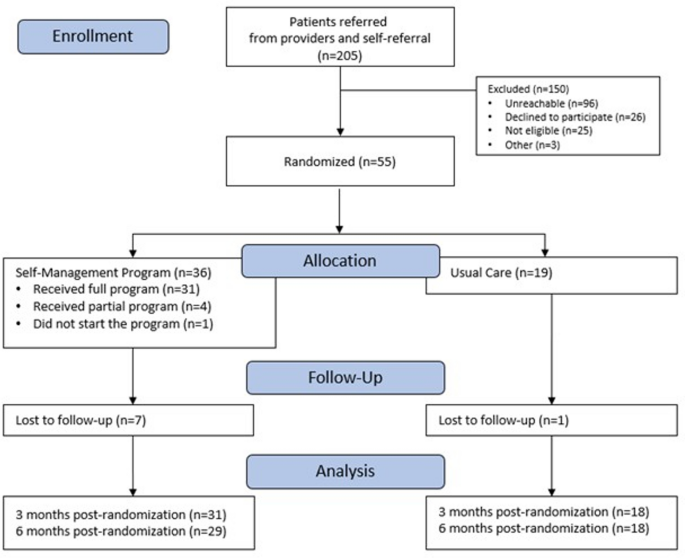
Self‑management programs delivered by nurses may help people with IBD improve daily functioning, confidence in managing their condition, and quality of life even when inflammation markers don’t change. That matters...
Mental health problems often begin before IBD is diagnosed and stay higher for years after; addressing psychiatric symptoms early could improve overall disease management and quality of life for people with Crohn’s...