World Journal of Gastroenterology
Cure8 research brief
Cure8 research brief
Fatigue affects many people with Crohn’s even when inflammation looks controlled; recognizing it as a distinct target could change clinic assessments and treatment priorities.
Adults with Crohn’s disease or IBD, clinicians managing IBD, and researchers studying patient-reported outcomes, fatigue, or immune biomarkers.
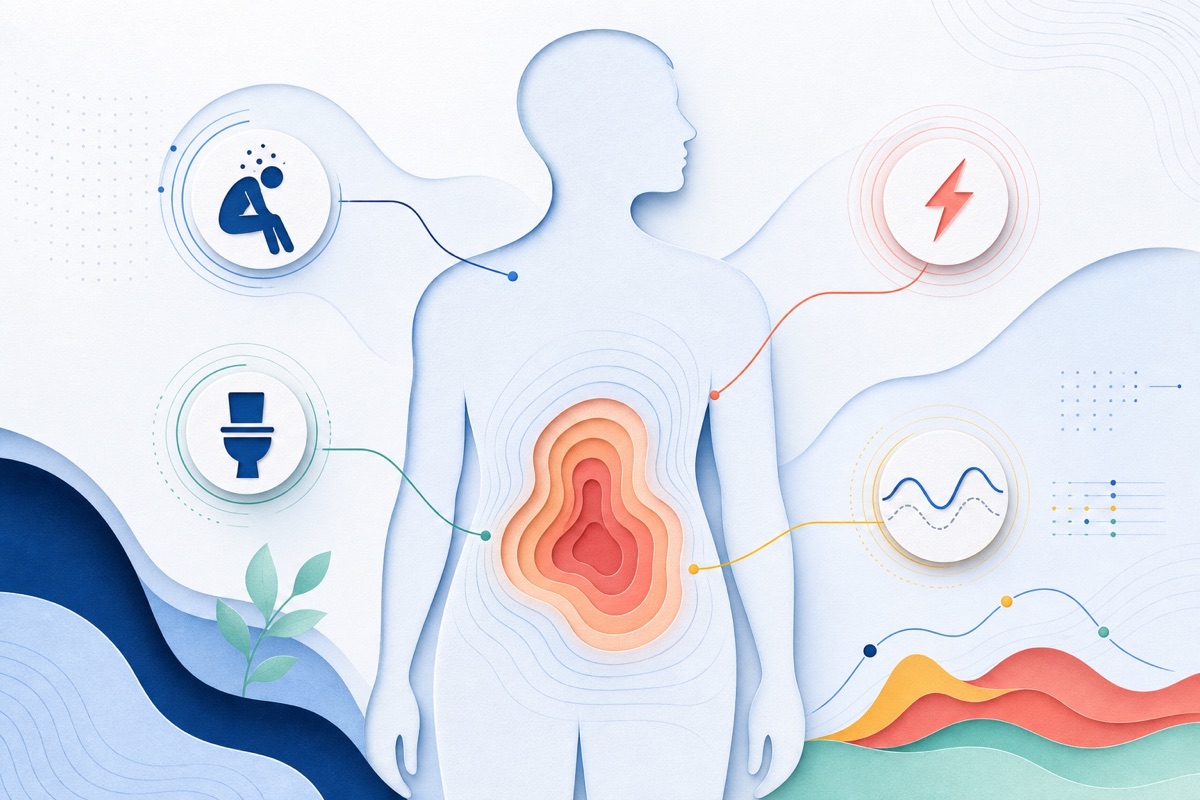
This article reports an analysis that treated fatigue as a primary outcome and found it was not explained by common inflammatory markers (including CRP), anemia, nutritional deficits, or thyroid dysfunction. Psychological factors—especially when measured together (depression, anxiety, stress, insomnia)—greatly increased the risk of fatigue.
The study also found immune cell pattern changes (relative neutrophilia with lymphopenia/eosinopenia) linked to fatigue, suggesting stress-related immune activation may play a role.
Practical takeaways Fatigue in Crohn’s appears to be multidimensional and often independent of gut inflammation; clinicians and patients may need broader assessment (psychological screening, sleep assessment, and selected blood tests) and patient-centered management rather than relying solely on escalation of anti-inflammatory therapy.
Structured-content depth: abstract — the curation is grounded in the article abstract/summary provided by the journal. The study highlights associations but does not establish causation; practical management approaches were not tested as interventions in this report.
Review the original publication for the complete reporting, methods, and context.
This Cure8 brief is based on source text from the linked article. Cure8 is informational only and is not a substitute for professional medical advice, diagnosis, or treatment.
Fatigue is a common, often persistent symptom in Crohn’s disease even during remission. This study suggests brain structure differences may be linked to fatigue when inflammation is low, pointing to potential...
Fatigue is common in people with Crohn’s disease and ulcerative colitis and can persist even when standard measures say the disease is in remission. This study suggests stricter definitions of remission don’t necessarily...
This study suggests risankizumab may improve quality of life and reduce common symptoms (fatigue, mood, urgency) more than ustekinumab for patients with moderate-to-severe Crohn’s disease who didn’t respond to anti-TNF...