news.ssbcrack.com
Cure8 news brief
Cure8 news brief
Diet is a common concern for people with Crohn’s disease, and this randomized trial suggests a structured, short-term calorie-restricted diet may reduce symptoms and markers of gut inflammation. Evidence-based dietary approaches could eventually offer non-drug options or complements to existing treatments.
Adults with Crohn’s disease (especially mild-to-moderate cases), caregivers, clinicians advising on diet and IBD management, and researchers studying diet–microbiome–inflammation links.
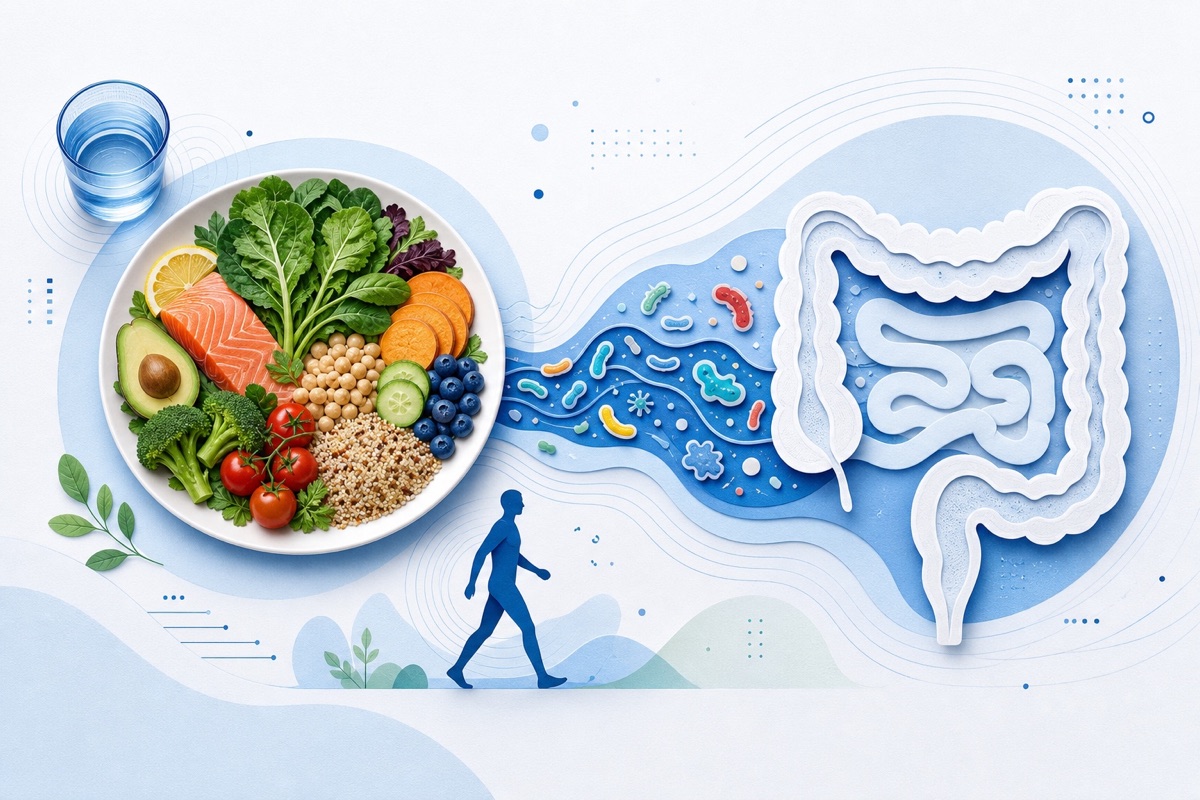
Short-term calorie restriction using a fasting-mimicking diet (FMD) was reported in a randomized trial to improve symptoms and reduce inflammatory markers in people with mild-to-moderate Crohn's disease. The reported intervention involved 5-day-per-month, plant-based, low-calorie (≈700–1,100 kcal/day) meal periods over three months.
Improvements included patient-reported symptom benefits and decreases in fecal calprotectin and some inflammatory measures; some participants had mild side effects like fatigue or headache. The study was conducted across multiple U.S.
centers and funded by several organizations; one listed author has financial ties to the supplier of the FMD meals and holds related patents. Researchers note the need for further work to confirm mechanisms (including microbiome changes) and to guide clinical recommendations.
If you read the original Nature Medicine paper, check study size, eligibility criteria, exact outcomes, and disclosures to understand how this trial might (or might not) apply to you. This article summarizes the trial results but does not provide clinical guidance.
Results come from a randomized trial reported in Nature Medicine but involve a relatively short intervention (monthly 5-day FMD cycles for three months) and about 97 participants. One author has equity interest related to the diet supplier, which is disclosed in the article. Larger and longer studies are needed before changing medical care.
Review the original publication for the complete reporting, methods, and context.
This Cure8 brief is based on source text from the linked article. Cure8 is informational only and is not a substitute for professional medical advice, diagnosis, or treatment.
Genetics can influence Crohn’s disease risk; knowing about risk genes and testing options may help people with a family history understand why disease runs in families and what testing can — and cannot — tell you. The...
Women with Crohn’s may have additional or different symptoms (period changes, painful sex, fertility concerns, bone and iron problems) that can affect daily life and long-term health. Recognizing these issues helps guide...
This study suggests a specific three‑strain probiotic may help some people with Crohn’s disease feel slightly better and absorb certain nutrients better, even though it didn’t reduce core disease activity.